
Since its original inception in 2003; the Office of Rail Regulation has operated with one clear goal: to provide fair, unbiased and balanced rulings for Great Britain’s rail industry, and act as the de-facto economic and safety regulator of the country’s railways.
Even when, on 1 April 2015, the non-ministerial government department was re-christened the Office of Rail & Road (ORR) and given an entire new world to oversee, the purpose remained clear: as per the body’s own website, it strove to “protect the interests of rail and road users, ensuring safety, assuring value and driving performance.”
However, for the first time since its inception, the regulator’s duties have been called in for review, and with the birth of Great British Railways (GBR) looming around the corner, one question is almost undoubtedly at the forefront of all minds of those involved in the country’s rail sector: What does this new publicly-owned entity mean for the Office of Rail & Road, and what will become of its regulatory powers now that the UK Government is poised to control all facets of the British rail industry?

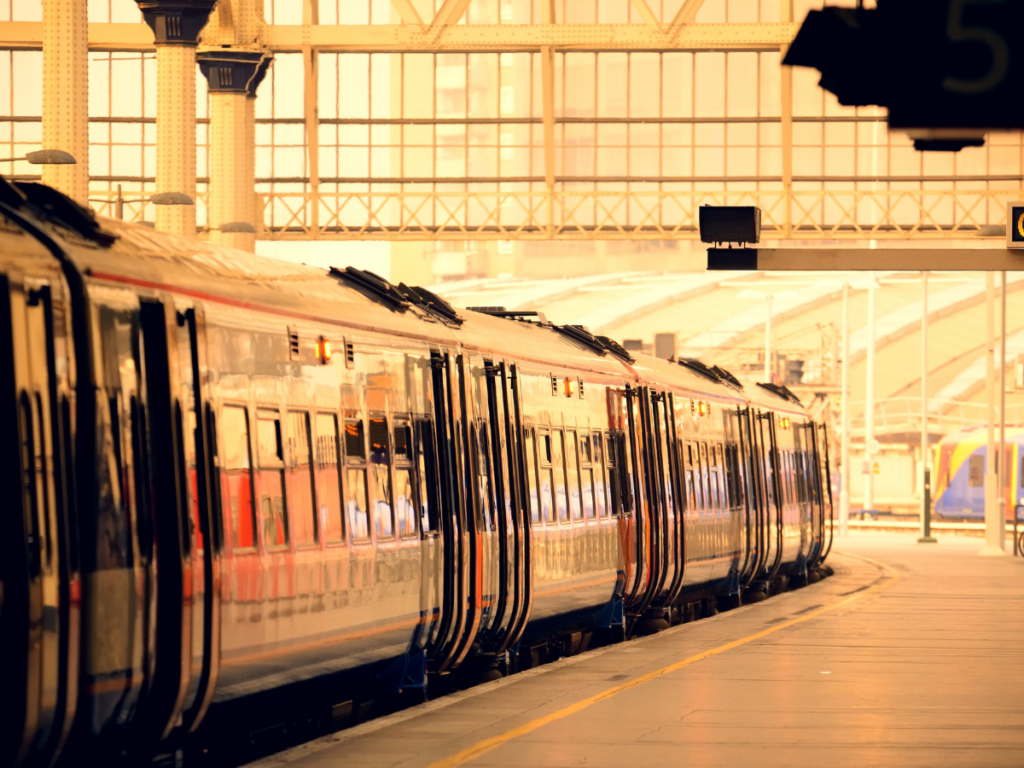
The ORR currently oversees the operation of HS1, regulating the network as a whole
© Canva
Currently; the Office of Rail & Road’s key responsibilities can be boiled down to a set of four main roles: the management of Network Rail, the regulation of High Speed 1 (HS1), the regulation of health and safety for the entire mainline rail network in Great Britain (as well as the London Underground, light rail, trams and the heritage railway sector), and the enforcement of consumer law and compliance with the conditions contained in Network Rail’s and train operators’ licences. Suffice it to say, the ORR is not so easily dismissed.
Later this year, Great British Railways will officially take control of the country’s railway network. Network Rail will cease to exist, and all train operating companies will come under public ownership, henceforth governed and controlled by the state.
During a Transport Committee Meeting in Parliament last November; the soon-to-be-former ORR Chief Executive John Larkinson was asked how the regulator’s roles and responsibilities might change as the country moves away from a privatised ownership structure. Larkinson explained that, once GBR is formally established, the ORR’s monitoring roles will switch from focusing on Network Rail to focusing on GBR and its larger role within the country’s rail responsibilities. The ORR will monitor its business plans and fare proposals, and with its enforcement powers set to become more ‘streamlined’, the regulator will shift to a more narrow focus when it comes to conditions such as asset stewardship and performance, the latter of which will then be handled by the Secretary of State.
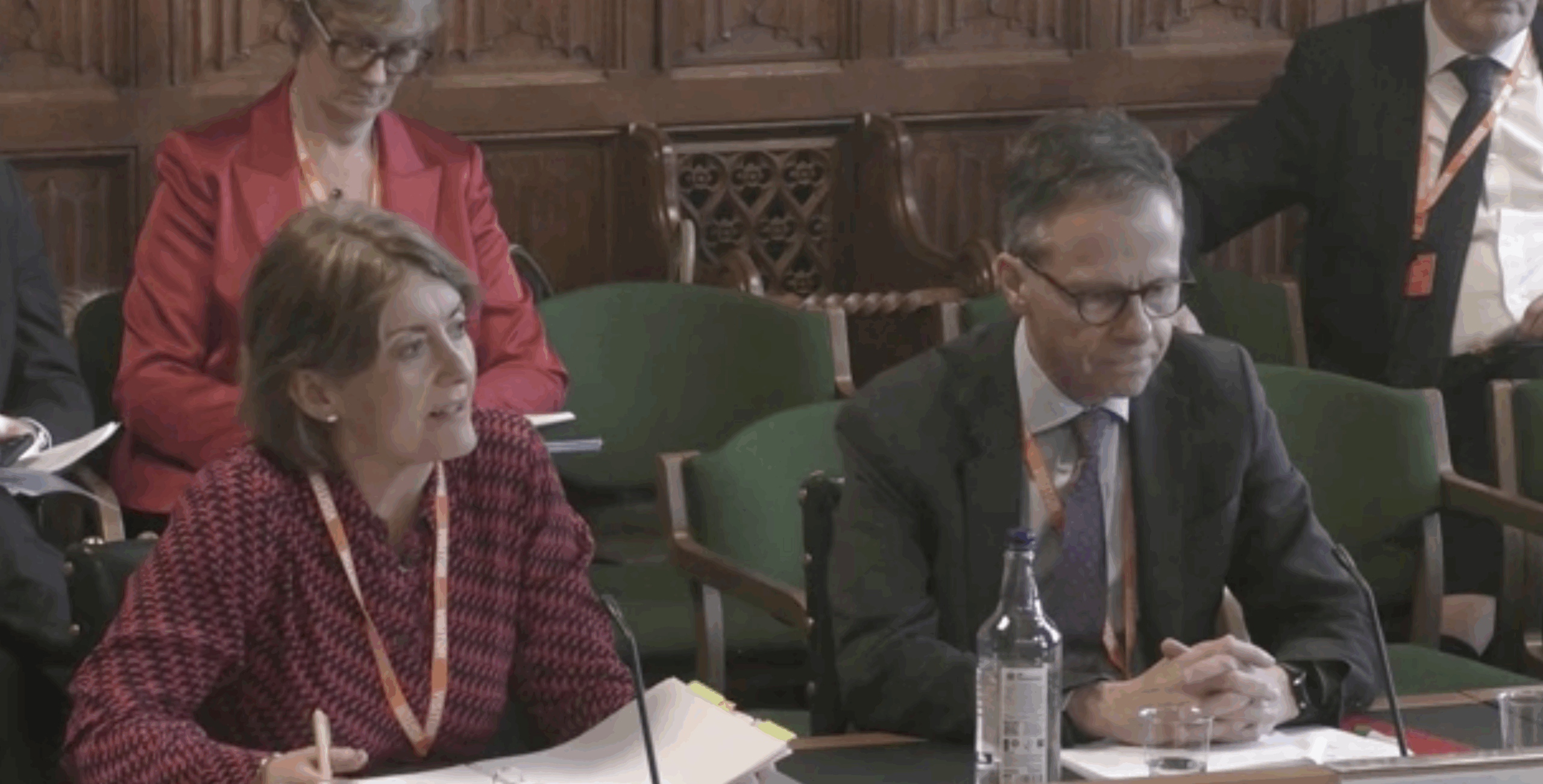
ORR Chief Executive John Larkinson speaking during a Parliament session in November 2025
© Parliament.TV
Four months down the line, what else do we know about ORR’s role going forward, and will its limited capacity, ultimately, be a detrimental loss to the Great British public?
The ORR will report to and offer both advice and guidance for the Secretary of State with regards to preferable action, stepping in when necessary. The body will retain the right to report publicly escalated issues in an advisory manner with GBR and, ultimately, go to the Secretary or Scottish Ministers to deal with issues as and when they arise.
As previously mentioned by Larksinon, who announced he will be leaving his post in April 2026, streamlining will be the name of the game. The ORR’s overall responsibilities are expected to be drastically reduced during the transition from Network Rail to Great British Railways – a change we likely all saw coming.
The regulator is expected to move towards a system of merely assessing GBR’s business plans, monitoring major changes during the five-year CP cycle and handling appeals against GBR decisions – but it will not be capable of making any direct changes or enforcing any legislation itself.
Any and all powers to approve train operators’ access to the network, as well as the selling of access rights, will be transferred to GBR, with the ORR subsequently becoming responsible for the handling of appeals. A select number of responsibilities will also be transferred directly to the Secretary of the State, who will officially inform the ORR going forward and, ultimately, be responsible for holding GBR to account.
However, despite this laundry list of changes, some responsibilities will remain the same. At time of writing, the ORR is planned to retain its governance and regulatory powers over HS1, with the body set to continue holding HS1 to account for its performance, service and value for money for both passengers and the freight industry.
It will also retain its governing powers over the state of health and safety across Britain’s rail network, and, with its current team of over 100 rail health and safety inspectors, the body will continue to ensure that the railway is kept safe at what it states is a ‘reasonably practical cost’.
In a somewhat more vague role, it has also been stated that the ORR will ‘play a central ongoing role in ensuring that the reformed rail system works effectively’, acting as a ‘critical friend to both the Department for Transport and GBR’, trusted to speak candidly, operate independently, and ‘add value through expertise’.
The ORR’s current role is set to be scaled back as Great British Railways is formally established
© Canva
The ORR will also remain the primary producer of Official Statistics for rail, with the majority of ORR statistics assessed and designated as National Statistics by the Office for Statistics Regulation.
Additionally; it should probably go without saying that the body will retain its existing regulatory powers relating to Britain’s roadways, which currently task it with the monitoring and enforcement of the performance and efficiency of National Highways.
With all of this said, then, what does it all mean? What will this seismic shift mean for the future of Britain’s railways? Will a stark reduction in the ORR’s responsibilities result in a weaker, less keenly regulated network?
To answer these questions matter-of-factly would, really, require some kind of railway-related crystal ball – we simply do not know. We can absolutely argue that, yes, the stripping of the ORR’s powers will lead to a Government-run-entity that ‘marks its own homework’, as it were, leaving those running the services to hold themselves to account and create a system that can’t possibly be as effective as using an independent adjudicator to enforce laws and regulations. Two heads are better than one, after all.
But conversely – we cannot really state this as fact. Whilst there will almost certainly be a number of teething issues, to regard Great British Railways as doomed from the start would be giving up on the hope of a unified, streamlined railway system – and that would be a mistake. No, hope is, as in most situations, all we have, and in this circumstance, only time will tell. Let’s just hope it works.
Tags