
Published on
March 20, 2026
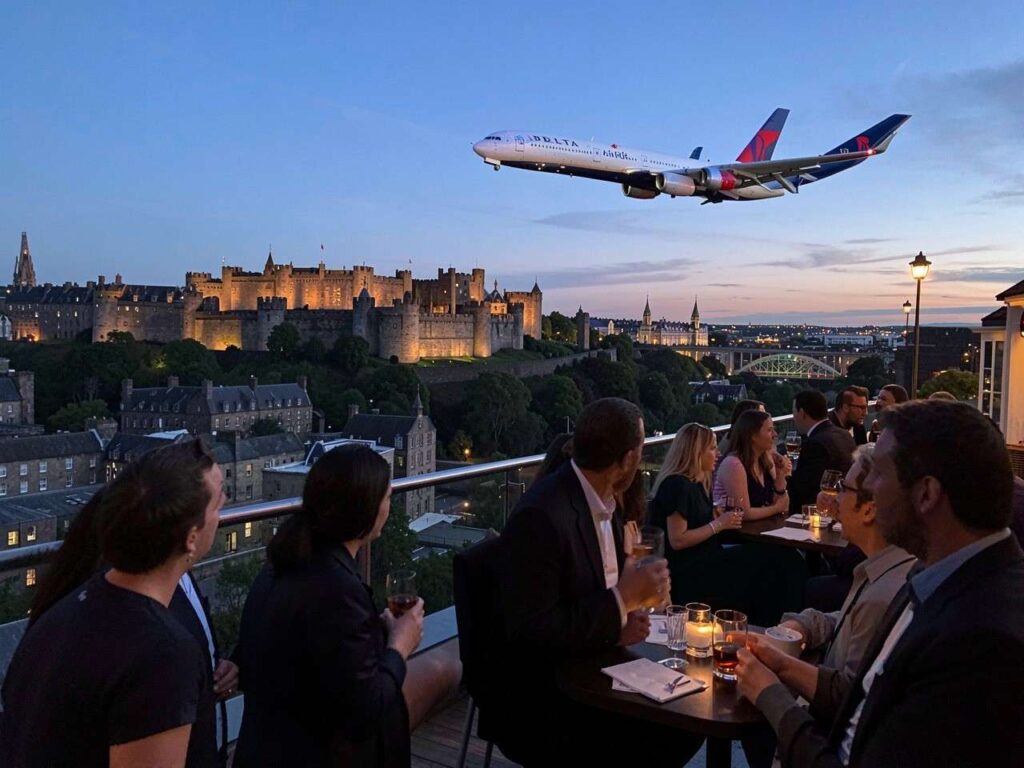
Image generated with Ai
United States, United Kingdom, Germany are at the center of Scotland’s fastest-growing tourism surge, as millions of global travelers fuel a powerful rebound that is reshaping the country’s travel economy and global appeal. Driven by strong transatlantic demand, expanding European connectivity, and rising long-haul interest from markets like Australia, Scotland has emerged as one of the most sought-after destinations in 2026, welcoming around 4.4 million international visitors and generating nearly £4 billion in spending. American travelers are leading this surge with the highest per-visitor expenditure, while German and wider European tourists are boosting volume through short-haul travel. Airlines are rapidly scaling operations, adding more routes and increasing flight frequencies into key gateways like Edinburgh and Glasgow, while global hotel giants are expanding to meet rising occupancy and demand for premium stays. At the same time, Scotland’s blend of cultural powerhouses, evolving attractions, and immersive travel experiences—from historic landmarks to wellness retreats and dark-sky tourism—is capturing the attention of modern travelers seeking deeper, longer, and more meaningful journeys, positioning the country as a global tourism hotspot at a time when international travel demand is reaching new highs.
United States Joins United Kingdom, Germany, France, Australia & Italy in Driving Scotland’s Tourism Surge
Scotland is stepping into 2026 with powerful momentum. International tourism is rising fast. The country welcomed around 4.4 million overseas visitors recently, generating close to £4 billion in spending. This growth is not random. It is driven by a mix of global demand, strong airline connectivity, and a renewed focus on immersive travel experiences.
The United States leads the surge. American travelers now form the largest and highest-spending segment. Germany, France, Italy, and Australia follow closely. Together, these markets are shaping Scotland’s tourism economy. Their influence is visible across airlines, hotels, and travel services.
Airlines are responding quickly. More routes are opening. Flight frequencies are increasing. Travel time is becoming shorter and more convenient. At the same time, global hotel brands are expanding their footprint. Luxury, boutique, and lifestyle stays are growing in number.
For travelers, this means one thing. Scotland is more accessible, more diverse, and more experience-driven than ever before.
United States Joins United Kingdom, Germany, France, Australia & Italy in Powering Airline Growth and Hospitality Demand Across Scotland
Air connectivity is the backbone of Scotland’s tourism growth. Airlines are investing heavily in routes connecting North America, Europe, and the Asia-Pacific region to Scottish cities.
Advertisement
Advertisement
Transatlantic travel is leading the trend. Flights from New York, Boston, Atlanta, and Chicago to Edinburgh and Glasgow are seeing strong demand. Major carriers like Delta Air Lines and British Airways are increasing capacity during peak travel seasons. Virgin Atlantic and United Airlines are also strengthening their presence on UK routes, improving access for American travelers.
From Europe, airlines such as Lufthansa, Air France, and KLM are boosting connectivity through major hubs. Travelers from Germany, France, and the Netherlands can reach Scotland with short-haul flights or seamless connections via London.
Long-haul travel from Australia is also rising. While direct flights are limited, one-stop routes via the Middle East and Asia are making Scotland easier to reach. Carriers like Emirates, Qatar Airways, and Singapore Airlines offer efficient connections through hubs like Dubai, Doha, and Singapore.
This rise in connectivity is directly benefiting Scotland’s hospitality sector. Hotels are seeing higher occupancy rates. Average room prices are increasing, especially in cities like Edinburgh and Glasgow. Luxury brands such as Marriott, Hilton, and InterContinental Hotels Group are expanding their portfolios. At the same time, boutique hotels and heritage properties are attracting travelers looking for unique experiences.
Short-term rentals and serviced apartments are also gaining popularity. Travelers are staying longer. Many are choosing slow travel over quick trips. This trend is boosting revenue across the entire hospitality ecosystem.
A Cultural Spotlight Drives Global Attention
Scotland’s tourism growth is not driven by flights alone. Culture plays a major role. The global appeal of Scottish heritage continues to attract visitors from around the world.
One of the biggest highlights is the Royal Edinburgh Military Tattoo. This iconic event draws international audiences with its mix of music, military precision, and storytelling. Its global outreach has expanded in recent years, including performances outside Scotland.
Promotional campaigns are becoming more creative. A recent example is the tartan light display in Brisbane. This visual spectacle brought Scottish culture to Australia, creating strong emotional connections with potential travelers.
Such initiatives are part of a broader strategy. Scotland is positioning itself as a destination that blends tradition with modern experiences. It is no longer just about castles and landscapes. It is about culture, storytelling, and immersive travel.
New Attractions and Experiences Redefine Travel
Scotland is investing heavily in new attractions. This is transforming the visitor experience.
The Inverness Castle Experience is one of the most anticipated projects. It aims to offer interactive storytelling about the Highlands. Museums are also being upgraded. The reopening of Paisley Museum and new exhibitions in Glasgow and Dundee are adding fresh cultural appeal.
Historic sites are being reimagined. The Calanais Standing Stones visitor centre is being transformed to enhance visitor engagement. These developments ensure that even repeat visitors find something new.
Experiential tourism is growing fast. Travelers are looking beyond sightseeing. They want meaningful experiences. Scotland is responding with offerings like whisky tastings, local craft workshops, and guided nature tours.
Film tourism is another strong driver. Popular shows and movies have brought global attention to Scottish landscapes. This has significantly increased visitor numbers at certain locations.
Wellness, Nature, and Slow Travel Lead Trends
Modern travelers are changing how they explore destinations. Scotland is aligning itself with these trends.
Wellness tourism is gaining traction. Floating saunas on Highland lochs are becoming popular. Spa retreats in remote locations are attracting those seeking relaxation and digital detox.
Noctourism is another emerging trend. Scotland’s dark skies make it ideal for stargazing. New observatories and dark sky parks are being developed in southern regions.
Slow travel is also shaping visitor behavior. Tourists are spending more time in fewer places. They are exploring local communities. They are engaging with local culture.
This shift benefits smaller towns and rural areas. It spreads tourism revenue beyond major cities. It also creates more sustainable travel patterns.
Airlines Expand Routes to Meet Rising Demand
Airlines are not just increasing frequency. They are also exploring new routes. Seasonal direct flights are becoming more common. These are often timed around major events like festivals and cultural shows.
Edinburgh Airport is seeing the most growth. It is Scotland’s busiest international gateway. Glasgow Airport is also expanding its reach, particularly for transatlantic and European routes.
Low-cost carriers are playing a key role. Airlines like Ryanair and easyJet are making Scotland more accessible to European travelers. Budget-friendly options are encouraging short trips and repeat visits.
Premium travel is also growing. Business class and premium economy bookings are rising, especially from North America and Australia. This reflects the high spending power of long-haul travelers.
Hotels and Hospitality Brands Capitalize on Growth
The hospitality sector is evolving rapidly. Global hotel brands are investing in Scotland. Marriott, Hilton, and Accor are expanding their presence in key cities.
Luxury travel is a major focus. High-end hotels are offering curated experiences. These include private tours, fine dining, and exclusive access to cultural events.
Boutique hotels are also thriving. Many are located in historic buildings. They offer personalized service and unique design. This appeals to travelers seeking authenticity.
Rural hospitality is growing too. Lodges, countryside retreats, and eco-friendly accommodations are attracting nature lovers. These properties often focus on sustainability and local sourcing.
Food tourism is another strong pillar. Scotland’s culinary scene is gaining international recognition. From Michelin-starred restaurants to traditional pubs, food is becoming a key part of the travel experience.
Economic Impact Strengthens Scotland’s Position
Tourism is a major contributor to Scotland’s economy. The sector generates over £11 billion annually. International visitors account for more than half of this spending.
The growth is creating jobs. It is supporting local businesses. It is driving investment in infrastructure and services.
Events like the Commonwealth Games in Glasgow are expected to further boost tourism. They bring global attention. They attract visitors from multiple countries. They create long-term benefits for the destination.
The multiplier effect is significant. Increased tourism leads to higher airline revenue. It boosts hotel occupancy. It benefits restaurants, transport services, and attractions.
Top Markets Continue to Drive Growth
The United States remains the largest market. American travelers spend more per trip than any other group. They stay longer. They explore more regions.
Germany is one of the strongest European markets. German tourists are known for their interest in nature and outdoor activities. France and Italy also contribute significantly, especially in cultural tourism.
Australia stands out for its high spending and long stays. Australian travelers often spend over 12 nights in Scotland. This makes them highly valuable to the tourism economy.
The Netherlands and other European countries provide steady year-round traffic. They support the tourism industry beyond peak seasons.
Emerging markets like India and Canada are showing potential. Increasing connectivity and rising incomes are expected to drive future growth from these regions.
Travel Tips for Visiting Scotland in 2026
Plan your trip early. Peak seasons like summer and festival periods see high demand. Booking flights and hotels in advance can help secure better rates.
Choose the right airport. Edinburgh is ideal for city travel. Glasgow offers great access to the west coast. Inverness is perfect for exploring the Highlands.
Consider multi-city itineraries. Combine Edinburgh, Glasgow, and the Highlands for a complete experience.
Use rail and road networks. Scotland’s train system connects major cities efficiently. Car rentals are ideal for exploring remote areas.
Pack for all weather. Scotland’s climate can change quickly. Layers and waterproof clothing are essential.
Explore beyond cities. Visit smaller towns, islands, and countryside areas. These offer unique experiences and fewer crowds.
Flight Tips for International Travelers
Book direct flights when possible. Transatlantic routes offer convenience and save time.
Consider one-stop routes for better deals. Middle Eastern and European hubs often provide competitive pricing.
Travel during shoulder seasons. Spring and autumn offer lower fares and fewer crowds.
Use airline loyalty programs. Frequent flyer points can reduce costs and upgrade experiences.
Arrive early for international flights. Airports can be busy during peak travel periods.
A Destination on the Rise
Scotland is not just growing. It is evolving. The combination of cultural promotion, improved connectivity, and diverse experiences is reshaping its tourism landscape.
Airlines are expanding. Hotels are upgrading. Travelers are responding with strong demand.
The result is clear. Scotland is becoming one of the most compelling destinations in global travel.
United States, United Kingdom, Germany are driving Scotland’s powerful tourism surge as international arrivals climb to 4.4 million and spending nears £4 billion, led by high-value American travelers.
Airlines are expanding routes and global hotel brands are scaling up, turning Scotland into one of 2026’s fastest-growing and most in-demand travel destinations.
For tourists, this is the perfect time to visit. The country offers a blend of heritage, innovation, and natural beauty. It delivers experiences that are both authentic and modern.
The tourism boom is real. And it is only just beginning.
