Let us imagine for a moment that since coming to power, the Labour government had done everything right. That it had repaired the public finances, reformed our tax system, acted swiftly to conquer inflation. Think of your perfect government and let us picture a world where Labour has governed in that style for the past 19 months — a world in which all the things that Sir Keir Starmer and Rachel Reeves claim about their actions since being in office are not just true but are bashful, wildly self-deprecating understatements about their record.
This diversion into science fiction has a purpose, I promise. Hold this imaginary Labour government in mind, and now ask yourself a question: even if this existed in the real world, would the UK be unable to withstand the economic consequences of US President Donald Trump’s war with Iran unscathed?
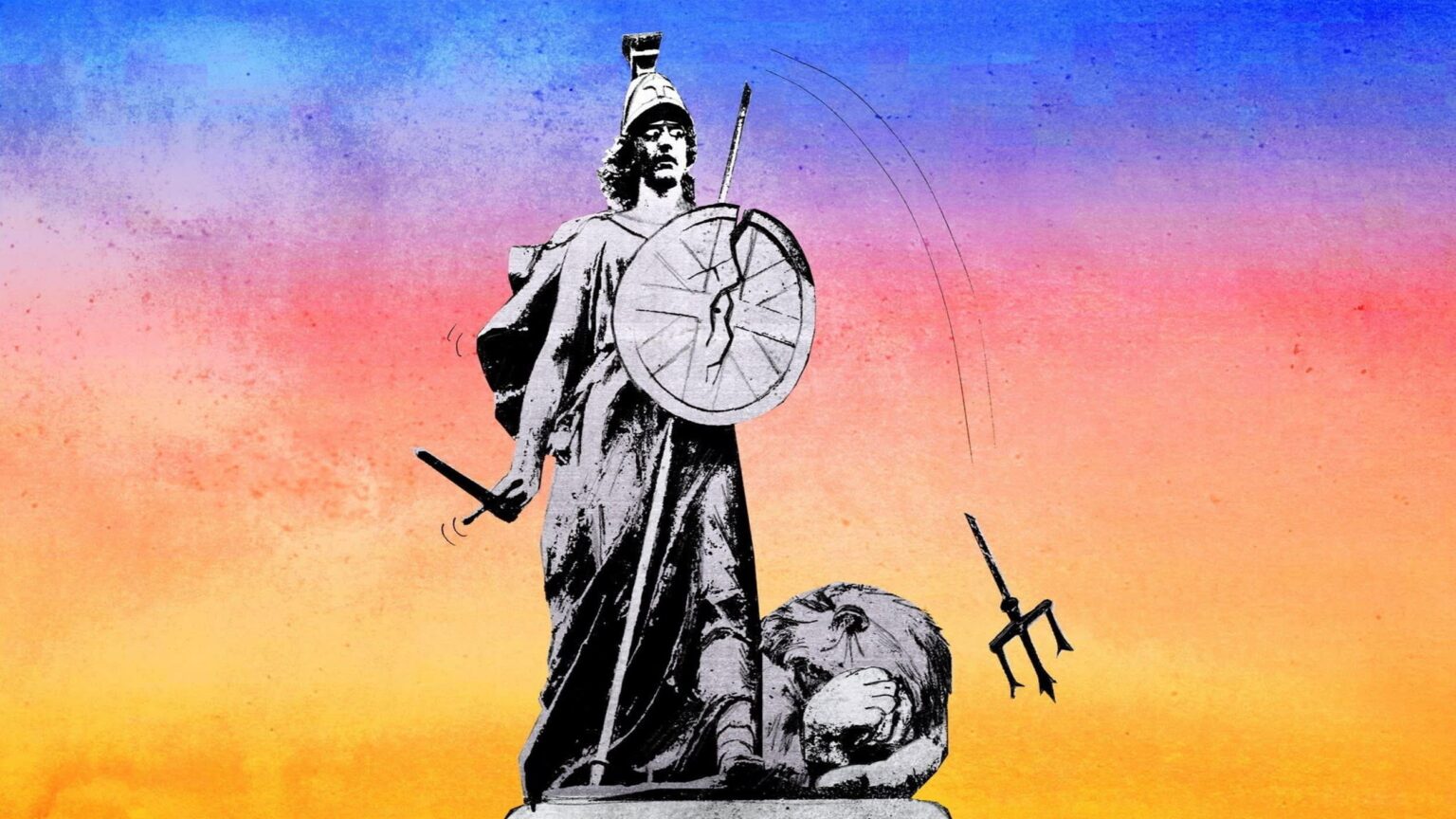
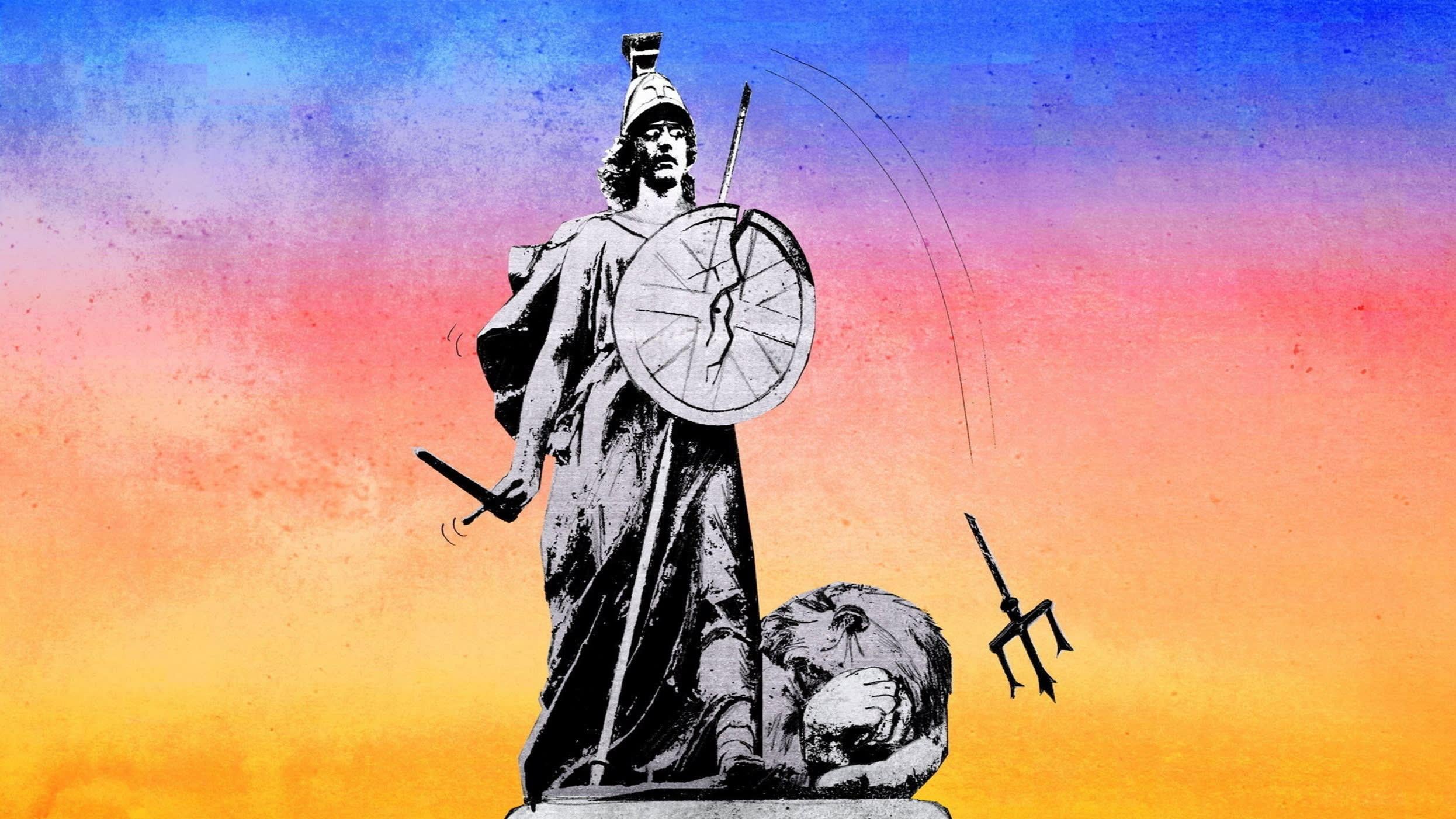
The answer, of course, is “no”. And this is true even if you imagine that Rishi Sunak, their Conservative predecessor, had a perfect governing record as well. You would need to construct an essentially fictional line of governments, particularly on energy policy, going back to at least the financial crisis if not before. The reason for this is that the UK is a middle power, and therefore one that is vulnerable to forces well outside its control. These are forces the British government cannot shape, stop or in many cases even mitigate.
I say this not to defend Labour’s record: if a ship’s captain is drunk at the helm, it doesn’t make him culpable for the tsunami that sinks his vessel, but nor does it rehabilitate his record in command. I say it to illuminate another question: given that there is nothing that Labour could have done to allow Britain to enter 2026 in a position to weather a prolonged war between America and Iran, why did Starmer claim that his government had?
More than that, why did he go further and say that Vladimir Putin must not profit from the war, when there is nothing that the British government can do to stop the Russian economy and therefore Putin’s war effort in Ukraine from benefiting from a global surge in energy costs? Why did Rachel Reeves, his chancellor of the exchequer, in her Mais lecture this week, claim that she had provided “stability” when there is none precisely because of a war whose course, cost and consequences she cannot and could not have shaped?
One explanation is Starmer’s intensely relaxed relationship with the truth. His journey to Downing Street, from telling Labour members he would deliver Corbynism (with a better suit and a more prime ministerial hair-do), was paved with abandoned promises, positions and people — and he has governed in the same way.
Whether in matters of personnel, such as allowing Sir Chris Wormald, his first appointment as cabinet secretary, to twist in the wind or his tendency to make commitments to people or pressure groups, this prime minister’s lack of engagement with difficult questions or internal debates has become clear. This was revealed in the leaked Mandelson files, as well as via his tendency to deliver speeches without reading them; Starmer is not someone who stops to ponder if something is true, or indeed whether he believes it, before he says it. That style then transmits itself across the government he leads.
But Starmer’s weaknesses fail to explain a trend that extends beyond Labour. Conservative leader Kemi Badenoch is also fiercely committed to her own understanding of the truth, albeit one that can at times prove impervious to new information that contradicts her assumptions.
Take China policy. Badenoch’s party has a position that is more consistently and avowedly hostile to China, the world’s second most powerful nation and increasingly an indispensable nation across many policy fields. Even Trump’s America, or Joe Biden’s, did not and does not pursue a policy as hawkish and hostile to China as the one envisaged by the current Tory party.
What unites Britain’s politicians is that none seems able to accept, let alone tell the country, that the UK is a middle power whose influence over its own destiny is limited. And that for middle powers to prepare to weather the crises caused by bigger powers in an uncertain world can take decades. The inability to talk candidly about the UK’s role in the world means settling for a worse relationship with the EU and makes it harder to win popular consent for long-term projects such as building nuclear power stations or adopting heat pumps.
On the Iran energy crisis, Labour does have a better policy story to tell than in many fields. Implementing the Fingleton review into nuclear power will unlock more and cheaper power; allowing plug-in solar to be bought by British households will increase our resilience. These are projects that benefit the UK in the long term, though — they don’t provide the immediate, symptomatic pain relief that Starmer and Reeves seem to be suggesting.
Part of the issue is that we have transitioned from being a global superpower to a country in crisis to (thanks to the Thatcher revolution) a financial services superpower. For a long time, this allowed British politicians to remain at the centre of world affairs and to talk as if they were not leading a middle power.
Now the country faces a less congenial global backdrop and, with it, our politicians are forced to confront the limits of their own power. Their reluctance means that we instead get farfetched policies from the opposition and Pollyanna-ish statements from the government.
British politicians need to learn to live in, and talk frankly about, the real world and the UK’s role in it.
smellybrit on
Is this article from the 1920s? UK has not been a global power since Japan obliterated their colonies
zapreon on
Britain, like e.g. France and plenty other countries, are on a fairly unstoppable managed decline in terms of their global relevance. Increasingly, Europe is being imposed geopolitics and its consequences as opposed to being able to play a large role in them, with Iran crisis as the perfect example.
Even being part of the EU would make it very difficult to change that equation given the need for unanimity on foreign policy making that would be most decisive. Even on things like the war in Gaza, it doesn’t have the political cohesiveness to make majority decisions, let alone unanimity
A continued growth deficit versus the US while India and China are obviously growing much more quickly, in addition to a clear tech advantage in the US (especially in software and AI) would make it incredibly, incredibly difficult for the managed decline trend to be arrested, let alone move in reverse.
In addition, government finances in France and Britain are squeezed with massive debt, which makes large scale investment also more tricky and in all likelihood will slow down growth further and cause more political division.
Really, this has happened for decades but the media and public in the UK and other European countries massively overestimate their own relevance
And any year that European countries do not push transformational change is a year that compounds it’s declining relevance
lieutenantbunbun on
What European country is a global power?
DaySecure7642 on
Not just the UK. All of the EU.
snozburger on
UK accepted that 50 years ago.
brixton_massive on
I’ll take my free health care, workers rights, affluence and democracy over whatever ‘global power’ the likes of USA, China and India have.

7 Comments
Let us imagine for a moment that since coming to power, the Labour government had done everything right. That it had repaired the public finances, reformed our tax system, acted swiftly to conquer inflation. Think of your perfect government and let us picture a world where Labour has governed in that style for the past 19 months — a world in which all the things that Sir Keir Starmer and Rachel Reeves claim about their actions since being in office are not just true but are bashful, wildly self-deprecating understatements about their record.
This diversion into science fiction has a purpose, I promise. Hold this imaginary Labour government in mind, and now ask yourself a question: even if this existed in the real world, would the UK be unable to withstand the economic consequences of US President Donald Trump’s war with Iran unscathed?
The answer, of course, is “no”. And this is true even if you imagine that Rishi Sunak, their Conservative predecessor, had a perfect governing record as well. You would need to construct an essentially fictional line of governments, particularly on energy policy, going back to at least the financial crisis if not before. The reason for this is that the UK is a middle power, and therefore one that is vulnerable to forces well outside its control. These are forces the British government cannot shape, stop or in many cases even mitigate.
I say this not to defend Labour’s record: if a ship’s captain is drunk at the helm, it doesn’t make him culpable for the tsunami that sinks his vessel, but nor does it rehabilitate his record in command. I say it to illuminate another question: given that there is nothing that Labour could have done to allow Britain to enter 2026 in a position to weather a prolonged war between America and Iran, why did Starmer claim that his government had?
More than that, why did he go further and say that Vladimir Putin must not profit from the war, when there is nothing that the British government can do to stop the Russian economy and therefore Putin’s war effort in Ukraine from benefiting from a global surge in energy costs? Why did Rachel Reeves, his chancellor of the exchequer, in her Mais lecture this week, claim that she had provided “stability” when there is none precisely because of a war whose course, cost and consequences she cannot and could not have shaped?
One explanation is Starmer’s intensely relaxed relationship with the truth. His journey to Downing Street, from telling Labour members he would deliver Corbynism (with a better suit and a more prime ministerial hair-do), was paved with abandoned promises, positions and people — and he has governed in the same way.
Whether in matters of personnel, such as allowing Sir Chris Wormald, his first appointment as cabinet secretary, to twist in the wind or his tendency to make commitments to people or pressure groups, this prime minister’s lack of engagement with difficult questions or internal debates has become clear. This was revealed in the leaked Mandelson files, as well as via his tendency to deliver speeches without reading them; Starmer is not someone who stops to ponder if something is true, or indeed whether he believes it, before he says it. That style then transmits itself across the government he leads.
But Starmer’s weaknesses fail to explain a trend that extends beyond Labour. Conservative leader Kemi Badenoch is also fiercely committed to her own understanding of the truth, albeit one that can at times prove impervious to new information that contradicts her assumptions.
Take China policy. Badenoch’s party has a position that is more consistently and avowedly hostile to China, the world’s second most powerful nation and increasingly an indispensable nation across many policy fields. Even Trump’s America, or Joe Biden’s, did not and does not pursue a policy as hawkish and hostile to China as the one envisaged by the current Tory party.
What unites Britain’s politicians is that none seems able to accept, let alone tell the country, that the UK is a middle power whose influence over its own destiny is limited. And that for middle powers to prepare to weather the crises caused by bigger powers in an uncertain world can take decades. The inability to talk candidly about the UK’s role in the world means settling for a worse relationship with the EU and makes it harder to win popular consent for long-term projects such as building nuclear power stations or adopting heat pumps.
On the Iran energy crisis, Labour does have a better policy story to tell than in many fields. Implementing the Fingleton review into nuclear power will unlock more and cheaper power; allowing plug-in solar to be bought by British households will increase our resilience. These are projects that benefit the UK in the long term, though — they don’t provide the immediate, symptomatic pain relief that Starmer and Reeves seem to be suggesting.
Part of the issue is that we have transitioned from being a global superpower to a country in crisis to (thanks to the Thatcher revolution) a financial services superpower. For a long time, this allowed British politicians to remain at the centre of world affairs and to talk as if they were not leading a middle power.
Now the country faces a less congenial global backdrop and, with it, our politicians are forced to confront the limits of their own power. Their reluctance means that we instead get farfetched policies from the opposition and Pollyanna-ish statements from the government.
British politicians need to learn to live in, and talk frankly about, the real world and the UK’s role in it.
Is this article from the 1920s? UK has not been a global power since Japan obliterated their colonies
Britain, like e.g. France and plenty other countries, are on a fairly unstoppable managed decline in terms of their global relevance. Increasingly, Europe is being imposed geopolitics and its consequences as opposed to being able to play a large role in them, with Iran crisis as the perfect example.
Even being part of the EU would make it very difficult to change that equation given the need for unanimity on foreign policy making that would be most decisive. Even on things like the war in Gaza, it doesn’t have the political cohesiveness to make majority decisions, let alone unanimity
A continued growth deficit versus the US while India and China are obviously growing much more quickly, in addition to a clear tech advantage in the US (especially in software and AI) would make it incredibly, incredibly difficult for the managed decline trend to be arrested, let alone move in reverse.
In addition, government finances in France and Britain are squeezed with massive debt, which makes large scale investment also more tricky and in all likelihood will slow down growth further and cause more political division.
Really, this has happened for decades but the media and public in the UK and other European countries massively overestimate their own relevance
And any year that European countries do not push transformational change is a year that compounds it’s declining relevance
What European country is a global power?
Not just the UK. All of the EU.
UK accepted that 50 years ago.
I’ll take my free health care, workers rights, affluence and democracy over whatever ‘global power’ the likes of USA, China and India have.