
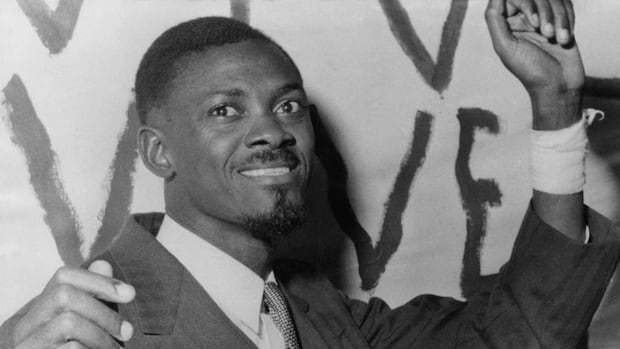
As It Happens7:5065 years after the assassination of Congo’s 1st PM, a Belgian diplomat will face trial
More than six decades after Congo’s beloved first prime minister Patrice Lumumba was abducted and murdered by Belgium-backed secessionists, a former Belgian diplomat will stand trial for war crimes in connection to the assassination.
Lumumba’s granddaughter, Yema Lumumba, called the news a “huge relief” for her family, who have long fought for justice in the case, though she knows that battle is far from over.
“For over 65 years, there’s been silence, there’s been denial,” Yema told As It Happens host Nil Kӧksal.
“This moment is telling us that the trial will break this pattern, and it sets a precedent. That sort of legal shield around the crimes committed during colonial time is starting to break.”
What happened to Patrice Lumumba?
Lumumba, a staunch opponent of Belgian colonial rule and advocate for African liberation, was just 35 when he became the first leader of his newly independent country.
But just months into his term, he was ousted in a coup, imprisoned and killed by Belgian-backed secessionist rebels on Jan. 16, 1961. After he was killed by firing squad, his body was dissolved in acid.
In 2002, a Belgian parliamentary investigation concluded that Belgium, which supported the more colonial-friendly rebels, was “morally responsible” for his death. That same year, the country repatriated Lumumba’s only remains — a single gold tooth that had been in the possession of a former Belgian police commissioner.
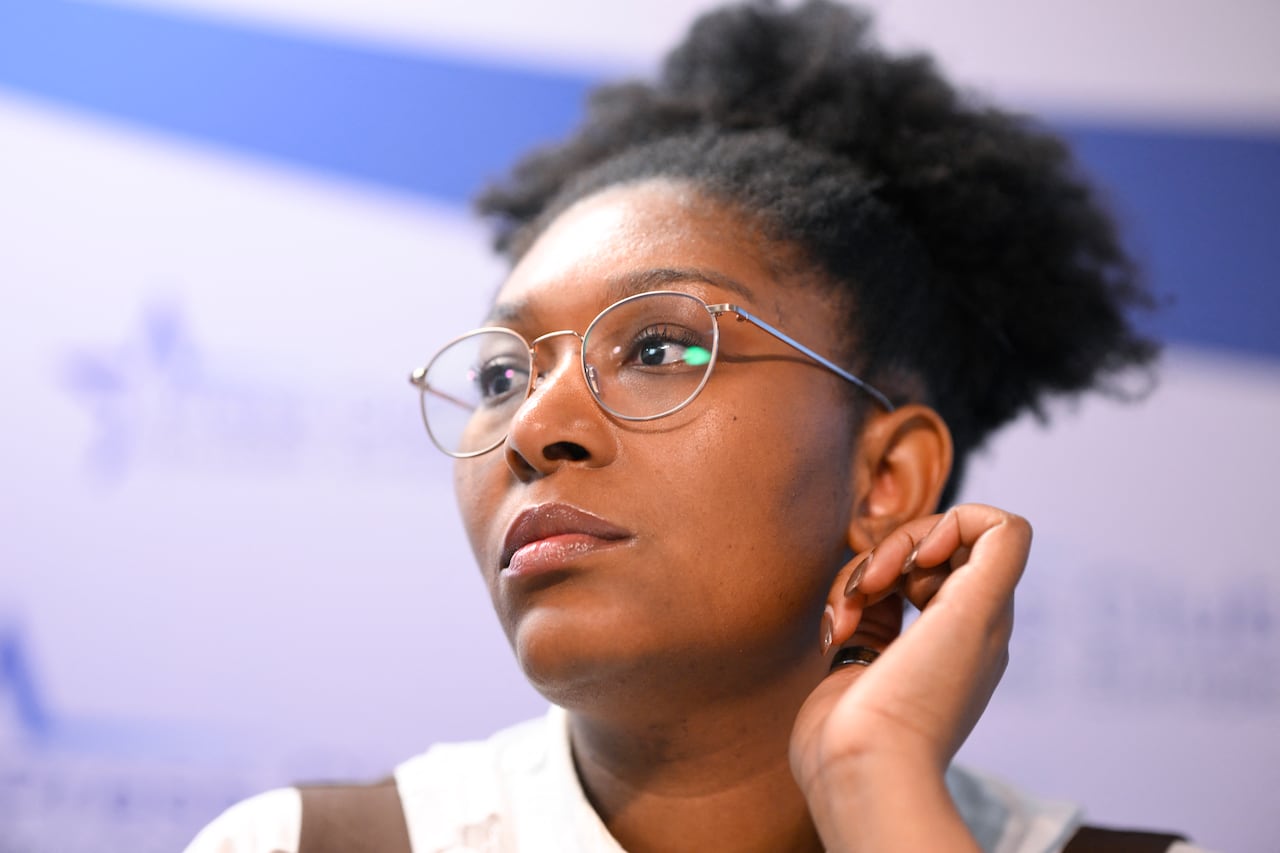
Yema Lumumba holds a press conference Jan. 19 following a hearing before a Belgian court to weigh prosecuting the sole surviving suspect over the 1961 killing of her grandfather. (John Thys/AFP/Getty Images)
The trial of 93-year-old Etienne Davignon, a former European Union commissioner who was a junior diplomat at the time, constitutes the first prosecution related to the murder. All the other suspects have since died.
Prosecutors accuse Davignon of committing war crimes by participating in the unlawful detention or transfer of Lumumba, depriving him of his right to an impartial trial and subjecting him to “humiliating and degrading treatment.”
He is also accused of involvement in the murders of two of Lumumba’s political allies, Maurice Mpolo and Joseph Okito, who were killed alongside him.
Davignon went on to become the first head of the International Energy Agency, a European commissioner, chairman of a Belgian holding company, and a count.
He was not present in the courtroom on Tuesday, and his lawyer declined to comment.
Her late grandfather, the national hero
Since Lumumba’s assassination, the Congolese people have lived under a series of dictatorships and armed conflicts. But the young leader has remained a beloved figure. The date of his assassination is a national holiday.
Yema was five when her father first told her about grandfather’s story.
“He told me that I was already older, at five years old, than he was when that happened,” she said of her father’s childhood. “That, for me, was one of these moments where I realized, ‘OK, this is huge.’”
As she got older, she started to understand the weight of her grandfather’s legacy.
“You start to learn more about Congo’s history, your grandfather’s history, but then also the impact he’s had in the world. And also as you venture into the world, you learn about the impact he has had in other countries in Africa, but all over the world,” she said.
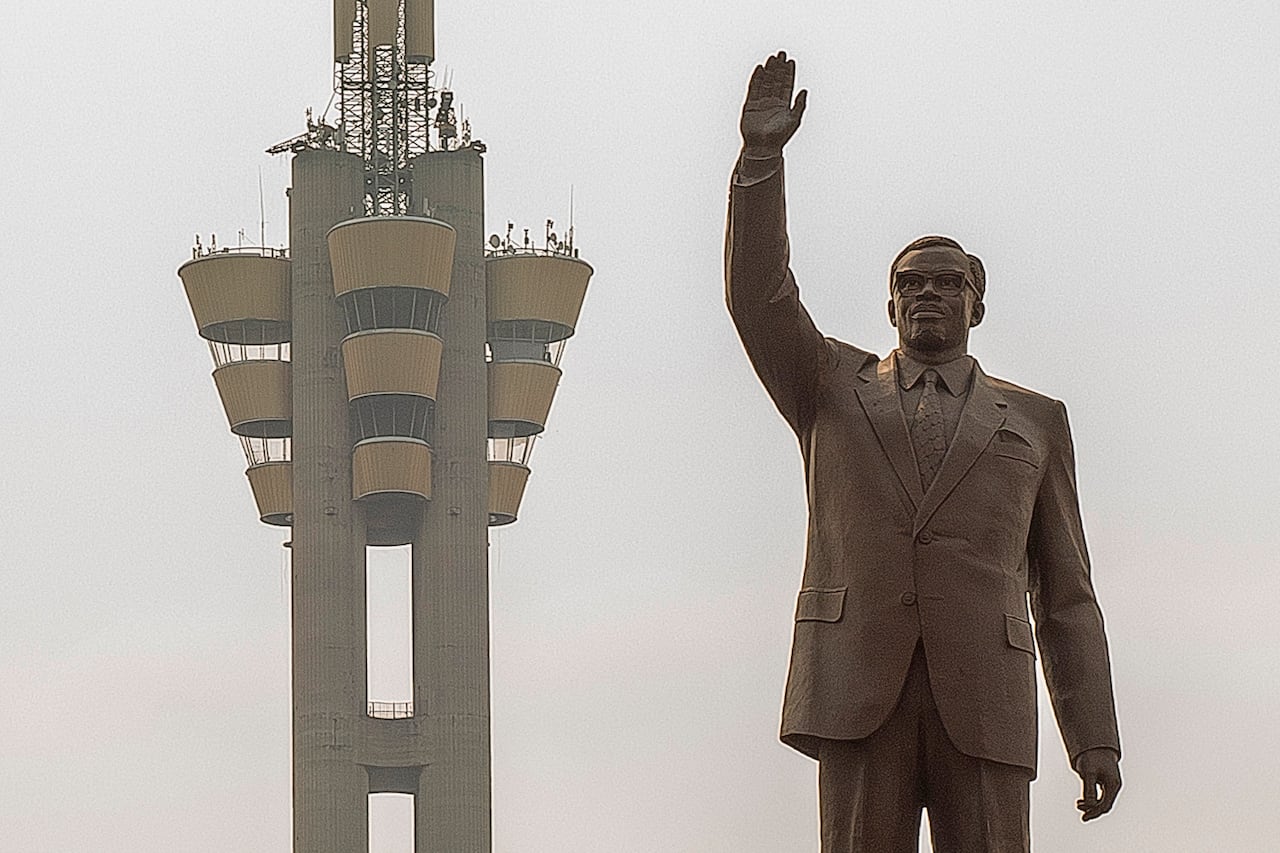
A statue of Lumumba in Kinshasa, the Congolese capital. (Arsene Mpiana/AFP/Getty Images)
“He was targeted because he wanted better for his country, he wanted better for people, for his entire continent.”
But it was her grandmother, she says, who taught her about the man behind the legend.
“When I would hear about it before, it felt like I knew on an intellectual level that this was my grandfather that was being talked about,” she said.
“It’s a very different thing when your grandmother tells you about your grandfather and about her husband. And I think for me, that’s when I felt it in my body for the first time.
“She never remarried, because she said she could never find a man of the same quality.”
A family legacy, and responsibility
Fighting for justice has become Yema’s family legacy, a responsibility passed down from her parents’ generation to hers.
“When we made a decision as grandchildren to take an active part and to become civil parties, it was very important for us to tell them: You’ve done so much work, you’ve returned your remains of your father to his native land, let us take over,” Yema said.
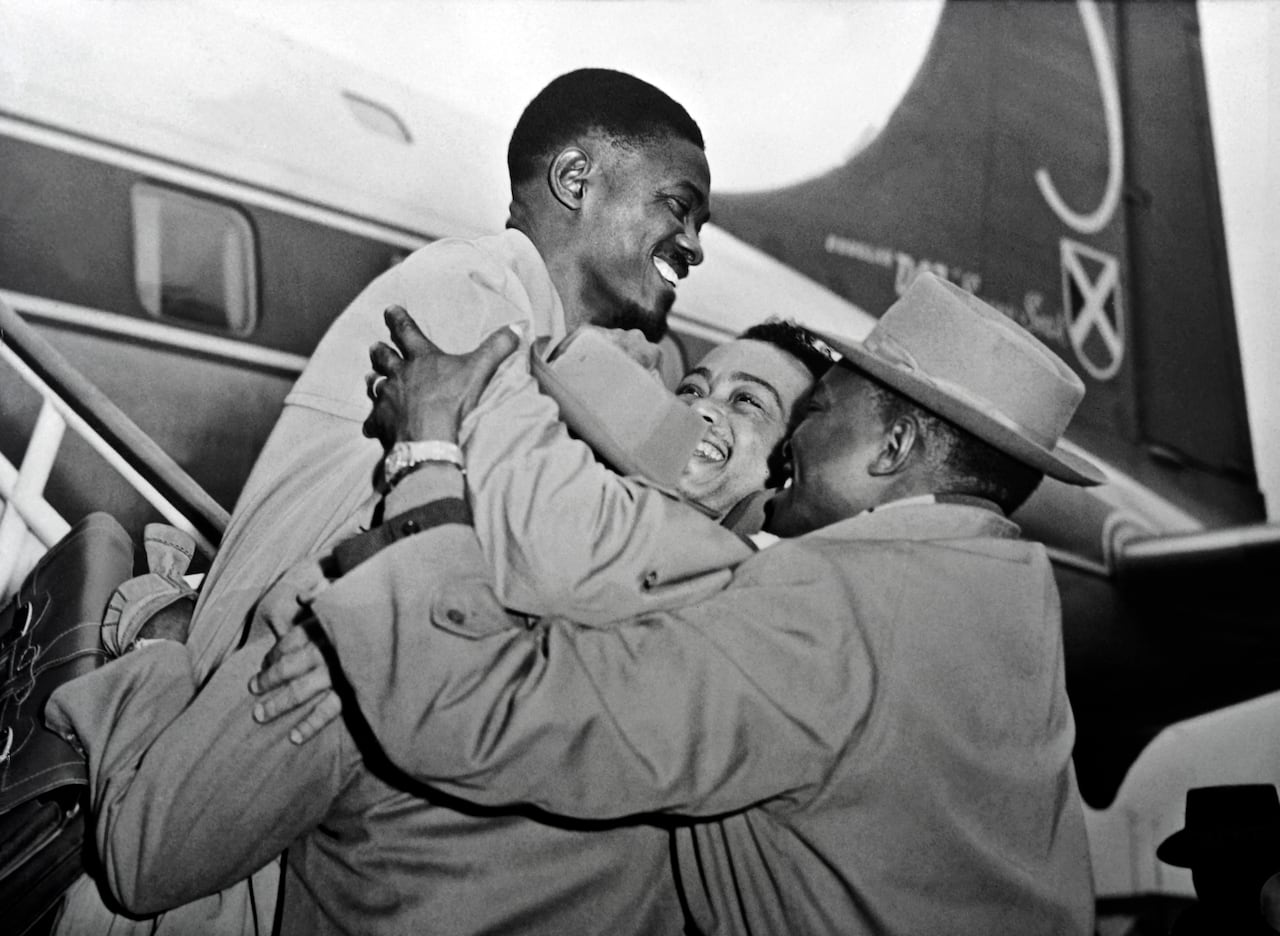
Lumumba is welcomed at Brussels airport on Jan. 27, 1960. (Belga/AFP/Getty Images)
Her own father died recently, she said, and it gives her comfort that he knew the fight would carry on.
She knows that the trial may be long and complicated, and that Davignon, who is already 93, may appeal.
“No matter what happens, we will get answers,” she said. “We will find a way to shine a light on what happened, and we will never stop seeking for the truth and for justice.”