
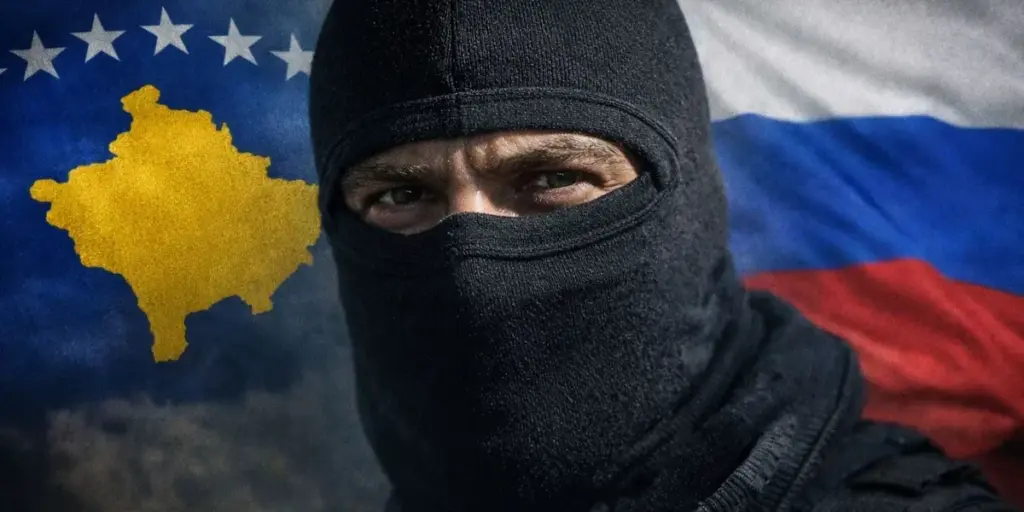
Since February 2022, around 400 articles have been published in Albanian-language media in Kosovo about the war in Ukraine and events related to Russia. Analysis of this information, which is distributed every day, showed that the Kosovar public often read irregular and incomplete information, and in many cases even misinformation, about the events there.
Much of the information is also copy-pasted, with no context added to the events and developments surrounding the war. Similarly, for many events related to interethnic issues in Kosovo, much news is copied from the Serbian language, often from the media in Albania, and the same is published in the Kosovo media.
Kreshnik Gashi, managing editor at KALLXO.com, says that Russian influence in the Balkans has taken root. According to him, the way news originating from Russia is distributed is well thought out.
“The first element we wanted to do with the study is to provide evidence that Russian influence has taken root in the Balkan region, and especially in the Albanian audience. Considering that the two main languages in the Western Balkans are Serbian and Albanian,” he says in “KallxoPërnime”.
“The data we have obtained by analyzing the content shows us that in both languages, Russian influence has taken deep root and in some cases has become the primary source of information. This means that a large part of the news that citizens take as true actually has its main source in Russian propaganda sources,” says Gashi.
He said that to obtain the data, a research methodology was used that included 150 platforms operating in the Kosovo media market.
According to Gashi, one of the problems that occurs when reporting on military conflicts is that the reporting is not balanced.
“It’s good to understand what’s happening in Ukraine, but no Kosovo media outlet has a correspondent there. This means that we are completely copying and pasting a reality that is happening there, taking the narrative of either Ukraine or Russia,” he says.
Another problem, according to him, is that some media outlets in Kosovo republish articles in Albanian without knowing who is behind the translation. This, according to him, is a strategy that Russia is using in the Western Balkans.
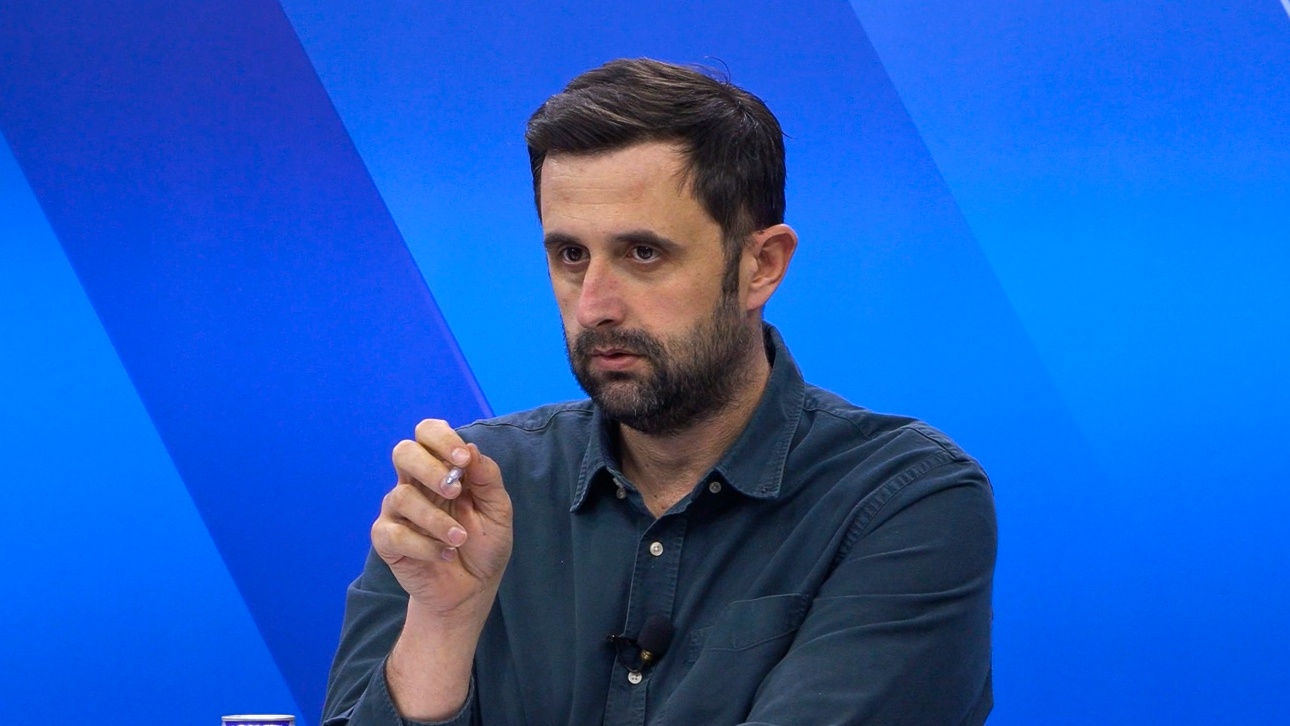 Kreshnik Gashi – KALLXO.com
“The fact that we have built a system of copying international media makes the Russians clearly understand that our public trusts media like BBC, Reuters or CNN, and as a result they have changed their strategy. They have hired translators who translate international media by removing the context, and sell them on platforms that quickly translate information” – assessed Kreshnik Gashi.
According to journalist Melazim Koci, Russia’s goal is to win the information war.
“It is the cheapest possible investment, because no war today is won if the information war is not won first. Kosovo is hit not only by the special Russian and Serbian disinformation war, but there are also other parties involved. It is a very small investment, but with extraordinary benefits,” Koci assesses.
“I don’t think they intend to change the attitude or worldview of the Albanian majority. But with that small investment, they intend to cast doubt on Western democratic values. The second is to instill defeatism in the Kosovar population,” says Melazim Koci.
Muhamet Hajrullahu, editor-in-chief of the “Telegrafi” portal, says that some media in Kosovo do not have the capacity to cover international news.
“There are media outlets in Kosovo that respect the professional code of ethics, but then there is the internal problem of editorial capacities and finances. The party that wants to harm you has easy influence. To solve this problem at Telegrafi, we have a very large editorial staff that covers international news, with four to five people just for this sector. The topics of the war in Ukraine, the Middle East and the region are read extremely widely,” says Hajrullahu.
He also explained how some news stories in Albanian end up without being verified at all.
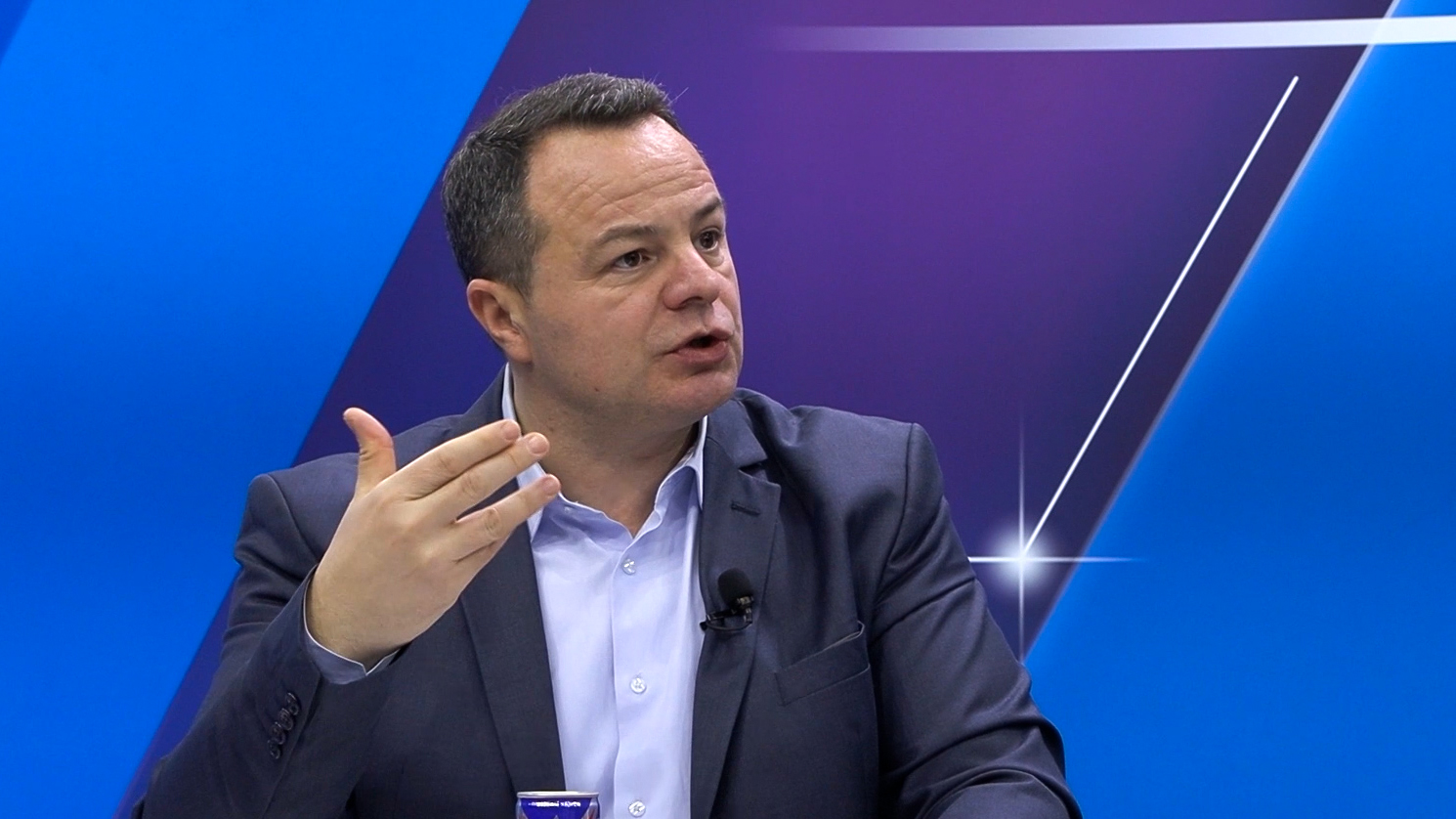 Muhamet Hajrullahu -Telegrafi.com
“At first I saw that the Kosovo media were copying and pasting news from the Albanian media without any kind of filter, simply creating the impression that any media there is okay. We discussed it and decided to make a black list of media that we should not quote, and a list of those that we should quote,” he says.
A research by the “Pikasa.ai” platform has shown that around 52% of articles published in Kosovo regarding the war in Ukraine do not cite any source of information.
According to Fitim Gashi from “S’bunker”, this happens for two reasons.
“It could be for two reasons, both coordinated, but also unintentional due to the lack of capacity of our media to handle information professionally. The main target of Russian disinformation is the Serbian community in Kosovo, but there are also cases when dubious news is published on Albanian language platforms where the source is unknown,” says Fitim Gashi.
One way to prevent the re-publication of questionable news is for the media to invest in sending correspondents to the countries where it is reported.
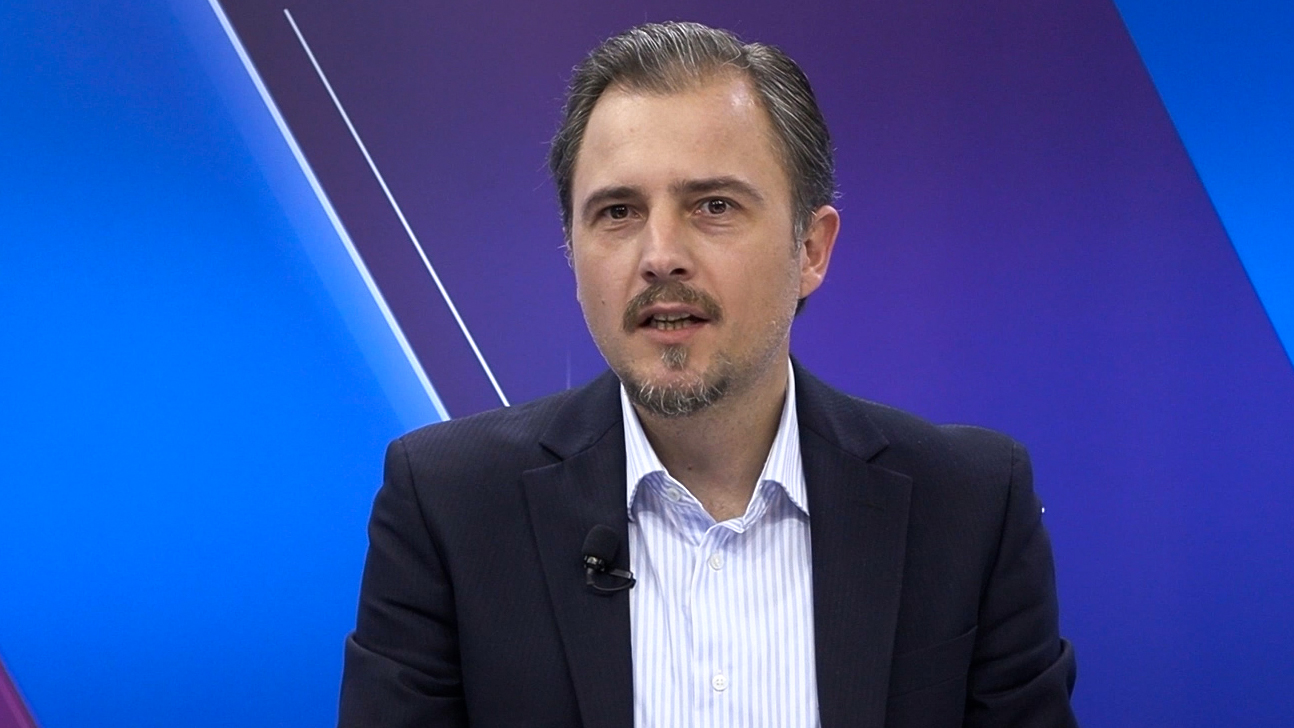 Fitim Gashi – S’bunker
“There is always a need for correspondents, but most media outlets do not see the need to appoint a correspondent in Serbia or the region due to lack of finances. News coming from pro-government channels in Serbia is often published unfiltered by our media outlets due to a lack of editorial capacity and knowledge. It is very important that those statements are given a context to avoid inciting tensions,” said Fitim Gashi from “S’bunker”./Kallxo.com