
Published on
March 21, 2026
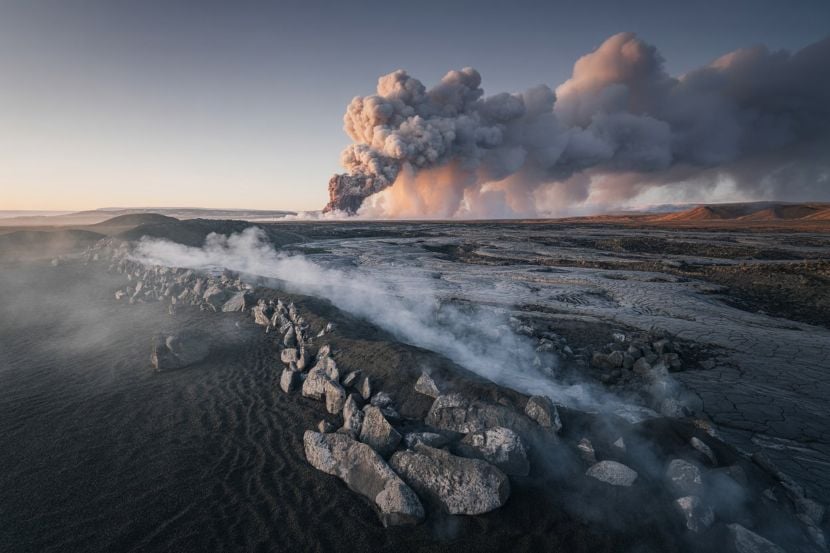
Image generated with Ai
Iceland, Denmark, Finland, and New Zealand have emerged as safe destinations for travellers. As the conflict intensifies, many regions face travel disruptions and rising tensions, prompting people to seek secure alternatives. Iceland, Denmark, Finland, and New Zealand stand as beacons of stability. These countries offer a peaceful environment, low crime rates, and stable governments, making them ideal choices for those looking to escape the chaos.
While the Middle East continues to be a hotspot of unrest, these four destinations remain unaffected by the violence. Tourists can explore their natural beauty, rich cultures, and safe atmospheres without fear. Whether seeking adventure, nature, or tranquility, Iceland, Denmark, Finland, and New Zealand provide the security and calm that many travellers need in these uncertain times. As global instability increases, these nations continue to shine as peaceful havens.
The Middle East Crisis and its Global Ripple Effect
The ongoing Middle Eastern conflict has cast a shadow over global travel. As tensions rise, the U.S. Department of State issued a worldwide caution in February 2026, advising American citizens to stay alert and follow embassy instructions closely. Canada also provided daily updates, urging citizens to register abroad and keep their travel documents in order. These warnings highlight the extent to which a regional conflict can disrupt global travel patterns. Flights are being diverted, borders are closed, and travel plans are affected. But amid this crisis, there are still destinations where safety and calm prevail.
Countries like Iceland, Denmark, Finland, and New Zealand have managed to stay out of the conflict’s direct path. Their governments have continuously updated their citizens and visitors with safety advisories. While the Middle East crisis creates challenges for travellers, these four countries remain steadfast in providing safe havens for tourists. Visitors to these destinations should, of course, stay informed and follow local advice, but for now, these countries remain strong, stable, and welcoming.
Iceland: A Land of Safety with Volcanic Beauty
Iceland, known for its stunning glaciers, hot springs, and volcanic landscapes, remains one of the safest places in the world to visit. According to Canadian travel advisories, Iceland carries a “take normal security precautions” rating, the lowest risk level. The U.S. State Department and New Zealand’s SafeTravel website echo these sentiments, listing Iceland as a destination where normal safety precautions should be exercised.
Iceland’s low crime rate and strong rule of law contribute to its reputation as a safe destination. Violent crime is almost unheard of, and petty crimes such as pickpocketing are rare. However, as in any destination, tourists should remain cautious, especially in larger cities like Reykjavik. As a precaution, visitors should avoid nightlife hotspots late at night and keep their personal belongings secure.
Advertisement
Advertisement
Despite its peaceful atmosphere, Iceland is not without its natural hazards. Iceland sits on a volcanic hotspot, and the risk of volcanic eruptions remains a concern. Areas like the Reykjanes Peninsula are geologically active, and visitors are advised to stay informed about potential eruptions. The Canadian travel advisory warns of dangerous sneaker waves along black-sand beaches, and swift currents in inland rivers. In addition to these natural hazards, severe weather can arrive suddenly, and visitors should always be prepared. Those venturing into Iceland’s wilderness should carry emergency supplies and be sure to check the weather forecasts regularly.
Despite these potential risks, Iceland remains a haven for those seeking a tranquil retreat amidst a turbulent world. Visitors can enjoy its breathtaking landscapes with the peace of mind that comes from its low crime rate and high safety standards.
Denmark: A Peaceful Nation with a Vigilant Eye on Terrorism
Denmark, with its beautiful cities, rich history, and friendly locals, has been a staple of European tourism for years. However, as with many European countries, Denmark faces its own security challenges. Canada has advised tourists to “exercise a high degree of caution” due to the ongoing terrorism threat, while the U.S. Department of State has placed Denmark under a “Level 2: Exercise Increased Caution” rating.
Although terrorism is a concern, Denmark’s law enforcement is highly effective, and violent crime is still very uncommon. Visitors to Denmark should remain vigilant in crowded public areas such as airports, train stations, and markets. Following local news and keeping an eye on government advisories will help tourists avoid areas where demonstrations or potential threats are happening.
Petty crime, such as pickpocketing, is more common in crowded tourist areas and large cities like Copenhagen. Travelers should take care to protect their belongings, especially in places like train stations and busy tourist spots. Additionally, there are occasional gang-related incidents in neighborhoods like Christiania and Nørrebro, where tourists should be especially cautious.
Denmark’s police force remains effective in maintaining public order, and tourists who take standard safety precautions will have no problem enjoying the Danish culture, from cycling along Copenhagen’s canals to exploring the historic castles of Jutland. By remaining aware of their surroundings, visitors can still enjoy Denmark’s charm without undue concern.
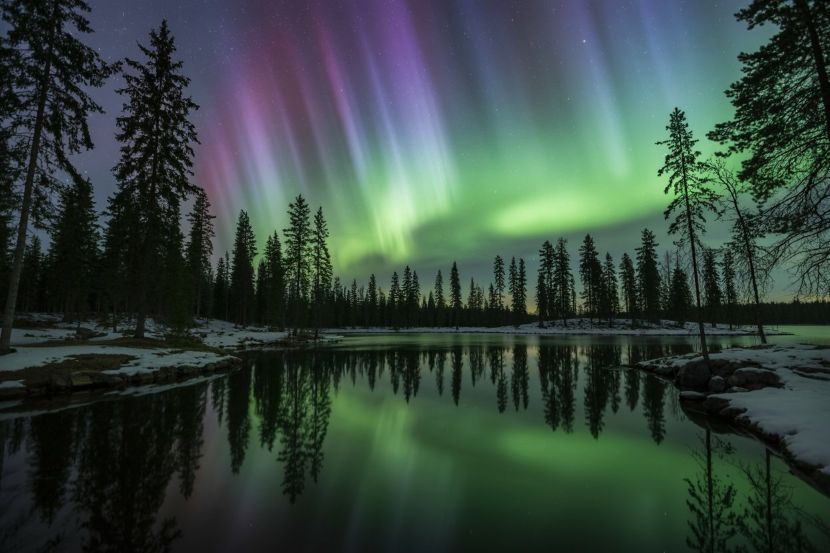
Image generated with Ai
Finland: A Calm Haven with Elevated Threat Alerts
Finland, with its stunning lakes, lush forests, and peaceful villages, is another excellent choice for travellers seeking a safe haven in 2026. Like Iceland, Finland carries a “take normal security precautions” rating from Canada and the U.S. State Department. However, there are important nuances that tourists must be aware of.
Finland faces a heightened threat level due to the ongoing geopolitical tensions with Russia. The country has classified the terrorism threat as “elevated,” and travellers are advised to be cautious in public spaces, especially in larger cities and transportation hubs. The country’s proximity to Russia means that tensions in the region could lead to disruptions, including temporary border closures. Finland’s long border with Russia was closed in November 2023, and travellers must check local updates to avoid any inconveniences.
In addition to potential security concerns, Finland’s harsh winter conditions pose a challenge for visitors. Snow and ice can make roads hazardous, and wildlife can pose a risk on rural roads. Finland’s remote and isolated terrain can also make hiking or driving in the wilderness risky, particularly during heavy snowfall. Visitors should carry proper gear, inform others of their whereabouts, and take extra care when venturing into Finland’s wild landscapes.
Despite these challenges, Finland remains a peaceful and welcoming destination. By preparing properly, staying alert, and following local guidance, tourists can enjoy Finland’s pristine natural beauty and tranquil lakes without worry.
New Zealand: A Far-Flung Refuge with Adventure Risks
New Zealand, located far from the Middle East conflict zones, is a remote refuge offering stunning landscapes and adventure-filled experiences. The country is generally considered very safe, with the Canadian government advising travellers to “take normal security precautions” and the U.S. State Department classifying it as Level 1.
However, as with any destination, New Zealand is not without its risks. Petty crimes such as pickpocketing and theft have occurred in major cities and tourist areas, so visitors should remain aware of their surroundings. Additionally, New Zealand faces an ongoing threat of terrorism, particularly from domestic extremists. In 2019, far-right extremists carried out deadly attacks in Christchurch. The New Zealand government maintains a public terrorism alert system, so travellers are advised to stay up-to-date on security alerts.
New Zealand is also a hotspot for adventure tourism, which comes with its own risks. Activities like zip-lining, trekking, and rock climbing are popular, but they can be dangerous if not done with proper guidance and preparation. The Canadian government advises tourists to hire experienced guides and ensure they are physically fit for outdoor activities. New Zealand’s narrow, winding roads, combined with unpredictable weather, make driving a challenge, especially in remote areas. Tourists should be prepared for sudden weather changes and carry proper equipment when heading into the mountains or forests.
Despite these risks, New Zealand remains one of the safest places for tourists seeking both adventure and serenity. Its peaceful environment, combined with its strong community spirit, makes it a great escape from global unrest.
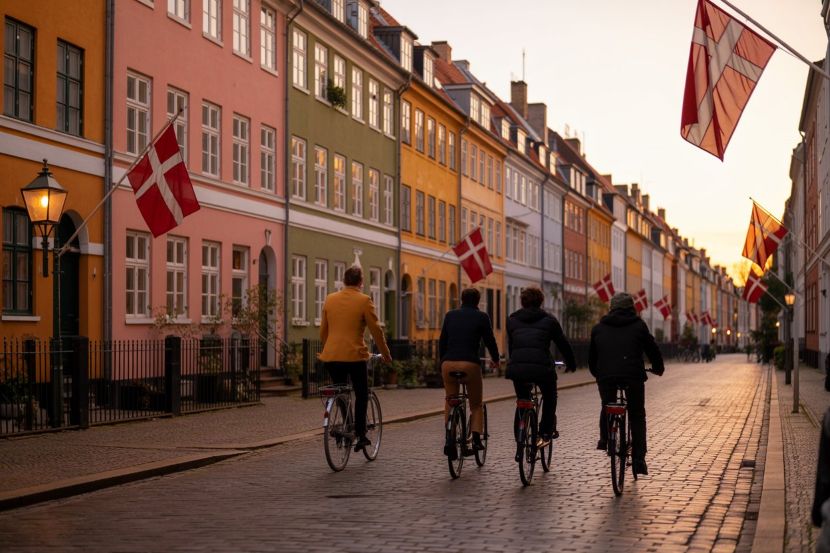
Image generated with Ai
Stay Informed, Stay Safe
As the world faces uncertainty, Iceland, Denmark, Finland, and New Zealand stand as stable pillars in a storm. These countries offer a sense of safety, low crime rates, and stable governments. Yet, like all travel, they require preparation and caution. Visitors should stay informed, follow local guidelines, and plan accordingly.
In the face of global unrest, these four countries continue to welcome tourists with open arms. Whether you’re exploring Iceland’s volcanic landscapes, cycling through Denmark’s peaceful streets, hiking in Finland’s forests, or embarking on an adventure in New Zealand, you can rest assured that these destinations offer a sanctuary from the chaos. With the right preparation, your journey to these safe havens can be both secure and memorable.
