
(Article is in Spanish, but Chrome auto-translate works fine)
a bit over 5 years ago I lost my right arm in a motorcycle accident.
i thought gaming was over for me.
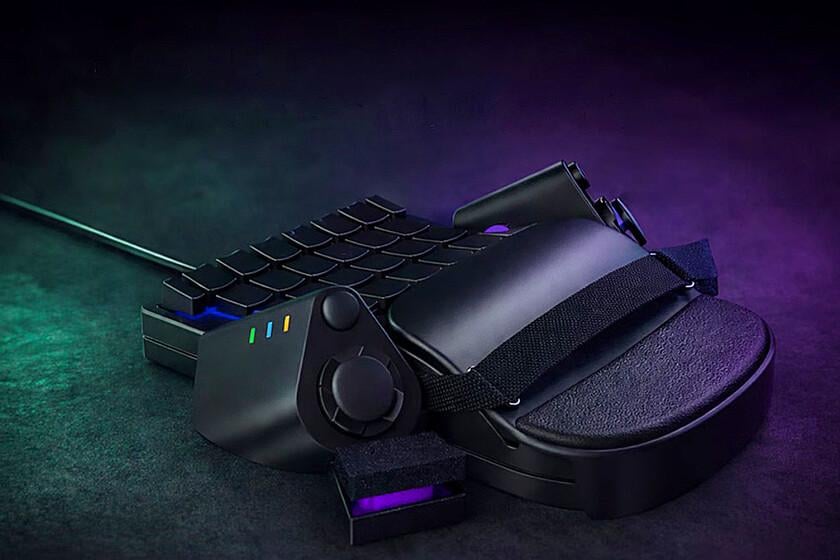
I tried a bunch of workarounds, but none of them really felt natural or gave full control, so I started experimenting and built a prototype for myself.
i took the housing shape from devices like the razer tartarus / belkin nostromo, since they have been proven great ergonomic design, and mirrored it for ambidextrous use.
the idea was simple: combine a keypad and mouse into one device so a single hand can handle movement, aiming, and key inputs at the same time.
Some of the design features include:
- optical mouse sensor on the bottom so it moves like a mouse
- 30 +programmable key layout similar to a gaming keypad
- stabilizing strap to keep the hand aligned
- ambidextrous design so either hand can use it
It started as a rough DIY project just so I could use my PC again, but after refining it, it ended up working surprisingly well.
seeing it get coverage like this really highlights a bigger issue, most computer hardware is still designed around two-handed use.
https://www.3djuegos.com/hardware/perifericos/noticias/perdio-brazo-accidente-encontro-forma-seguir-jugando-trabajando-su-pc-invento-cosecha-propia
4 Comments
submission statement:
this article is one of the first pieces of international coverage around a custom built solution, and it touches on something that doesnt get talked about enough, most computer hardware is still designed around two hands.
for disabled gamers / amputees / limb differences or mobility limitations, that can make even basic things like gaming or working on a PC much harder than they need to be. there are vert few accessibility options out there, but most of them feel more like adaptations rather than solutions built from real disability community suggestions.
whats interesting here is that more of these ideas are starting to come directly from users trying to solve their own problems, instead of large companies, like razer / logitech, etc…
It raises some bigger questions going forward
* will hardware start becoming more customizable instead of one size fits all?
* could accessibility-focused designs influence mainstream devices?
* how should software evolve to better support non traditional input setups?
as computers become more central to everyday life, it feels like this kind of user driven design could play a bigger role in shaping more flexible and inclusive devices.
Amazing! Reminds me of the Nostromo gaming keyboard/controller in ways.
So basically a Tartarus V2. Just bought one. They’re great
This technology will revolutionize the future of gooning.