
Published on
March 21, 2026
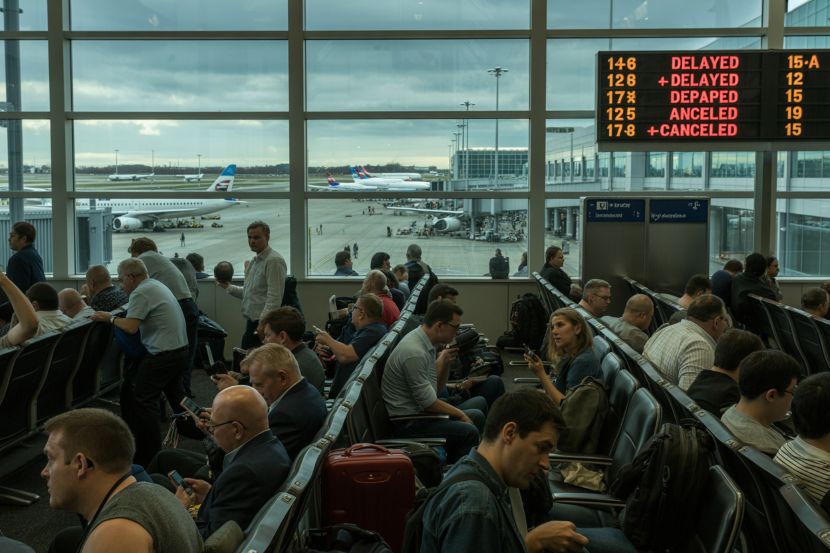
Image generated with Ai
A turbulent travel day unfolded at Chicago O’Hare International Airport, as Chicago to Toronto, New York, Reykjavik routes snarled under mounting operational strain during the ongoing US spring break travel surge. On March 21, 2026, the major Midwest aviation hub recorded 244 total disruptions, with 239 delays and just 5 cancellations, signaling a system under pressure rather than outright shutdown. Airlines including Spirit Airlines, American Airlines, Delta Air Lines, and United Airlines all faced operational setbacks, while international and regional carriers saw even sharper breakdowns. With spring break travel peaking, thousands of passengers navigating routes across Canada, the United States, and Iceland encountered extended waits, missed connections, and disrupted holiday plans.
A Strained Aviation Hub: When Delays Outnumber Cancellations
Chicago O’Hare, one of the busiest airports globally with annual passenger traffic exceeding 80 million, experienced a day where delays dominated the disruption landscape. Of the 244 affected flights, 98% were delayed, leaving only a small fraction officially cancelled.
This imbalance reflects a broader airline strategy: keeping flights active—albeit late—rather than cancelling them outright. While cancellations typically trigger refund obligations, delays often leave passengers waiting in terminals with limited immediate compensation options.
For travelers, this translated into hours-long waits, uncertain departure times, and cascading missed connections, especially for those on multi-leg journeys.
Airlines Under Pressure: A Multi-Carrier BreakdownSevere Performance Gaps Across Airlines
The disruption was not isolated to a single airline. Instead, it exposed system-wide fragility across both low-cost and legacy carriers:
- Spirit Airlines recorded a 27% delay rate, meaning more than one in four flights ran behind schedule
- Jazz Aviation saw 20% of flights cancelled, heavily impacting regional Canadian routes
- Icelandair reported 50% cancellations, disrupting transatlantic connectivity
- Major carriers like American, Delta, and United experienced widespread delays across their networks
This combination created a ripple effect across domestic and international routes, amplifying the impact beyond Chicago.
Advertisement
Advertisement
Key Travel Corridors Hit: From Canada To California And BeyondCross-Border And Long-Haul Routes Disrupted
Several high-demand travel corridors were significantly affected:
- Toronto Pearson International Airport
- Montréal–Trudeau International Airport
- New York’s major airports (JFK, LaGuardia, Newark)
- Los Angeles International Airport
- Keflavík International Airport
These routes are critical for both tourism and business travel, linking North America’s busiest cities with international gateways. Disruptions here meant missed onward connections, particularly for travelers heading to Europe or the Caribbean.
Spring Break Surge: Tourism Demand Meets Operational LimitsPeak Season Adds Fuel To The Chaos
The disruption coincided with day 16 of the US spring break travel window (March 6–24)—a period known for intense passenger volumes. According to aviation data trends, spring break can push daily passenger throughput up by 15–25% above average levels at major hubs.
With O’Hare serving as a central connector between:
- The US Midwest and West Coast
- Canada and the US
- North America and Europe
even minor delays can escalate rapidly into network-wide disruptions.
For leisure travelers heading to destinations like Florida, Los Angeles, or Caribbean islands, the timing proved particularly challenging.
Why Delays Are Winning Over CancellationsThe Economics Behind Airline Decisions
The disproportionate number of delays compared to cancellations highlights a strategic operational choice. Airlines often opt to delay flights rather than cancel them due to:
- Avoiding mandatory refunds under US Department of Transportation policies
- Preserving revenue from already booked यात्रies
- Maintaining aircraft and crew rotation schedules
However, this approach places the burden on passengers, who may face:
- Long waiting times without clear updates
- Missed hotel bookings or prepaid activities
- Limited rebooking flexibility during peak travel periods
Spotlight On Spirit Airlines: Reliability Concerns Resurface
Among all carriers, Spirit Airlines stood out with a notably high disruption rate. Industry benchmarks typically consider:
- 5–10% delays as normal
- 15–20% delays as a difficult day
At 27% delays, Spirit’s performance indicated serious operational strain.
Factors contributing to this include:
- Tight flight scheduling with minimal buffer time
- Staffing challenges following restructuring phases
- Increased demand during peak travel periods
For budget-conscious travelers, such disruptions can offset savings through unexpected travel expenses and lost time.
Smart Travel Moves: How To Navigate Airport DisruptionsTactical Tips For Travelers During Peak Chaos
For those traveling during high-traffic periods like spring break, proactive planning can make a significant difference:
1. Choose Early Flights
Morning departures are statistically less likely to be delayed, as they avoid cascading disruptions.
2. Build Buffer Time
Allow at least 2–3 hours for connections, especially at large hubs like O’Hare.
3. Monitor Flights In Real-Time
Use airline apps or airport tracking tools to stay updated on gate changes and delays.
4. Avoid Tight Itineraries
Scheduling same-day tours or non-refundable activities immediately after arrival carries risk.
5. Consider Travel Insurance
Coverage for delays and missed connections can provide financial protection during peak seasons.
The Bigger Picture: What This Means For Global Travel
The events at Chicago O’Hare highlight a broader trend in global aviation: high demand is outpacing operational resilience. As travel rebounds strongly post-pandemic, airlines continue to balance:
- Staffing limitations
- Aircraft availability
- Increasing passenger volumes
Major hubs like O’Hare act as critical pressure points in this system. When disruptions occur here, they often ripple across continents.
For international travelers, especially those connecting between North America and Europe or Asia, such incidents underline the importance of flexible travel planning.
When Journeys Stall But Travel Continues
While the March 21 disruption at Chicago O’Hare caused widespread inconvenience, it also serves as a reminder of the complexities behind modern air travel. With tens of thousands of passengers affected in a single day, the balance between efficiency and resilience remains a work in progress for the aviation industry.
For travelers, awareness and preparation are becoming just as essential as the journey itself—especially during peak tourism seasons when the skies are at their busiest.
