
Published on
March 22, 2026

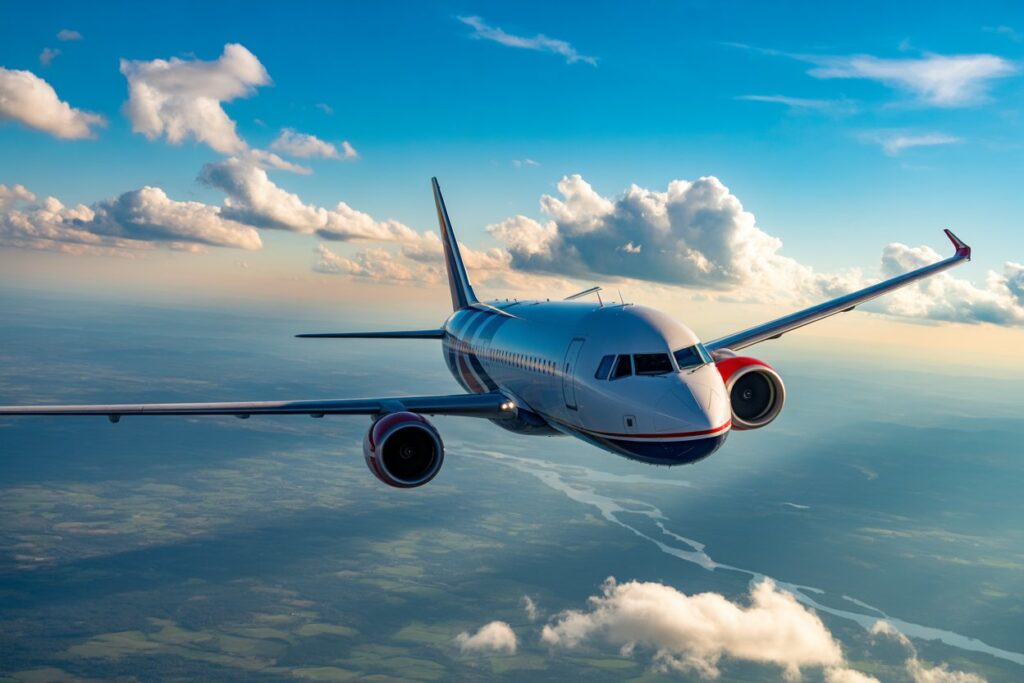
Image generated with Ai
European airlines servicing Paris, London, and Rome press regulators to postpone 2030 mandates for synthetic sustainable aviation fuel (eSAF), citing scarce supply and soaring conventional jet fuel costs tied to Iran conflict disruptions. Carriers highlight how ReFuelEU Aviation rules burden operations at EU airports, potentially handing advantages to Asian and Middle Eastern rivals unencumbered by similar green targets. This lobbying at Brussels summits underscores tensions between immediate survival and long-term climate goals.
Paris tourism to Eiffel Tower escapes and London‘s Thames cruises face fare pressures, as airlines warn of surcharges passing costs to leisure flyers. Rome‘s Colosseum-bound routes risk premium pricing, dampening impulse tourism from northern Europe. The pushback prioritizes affordability to sustain summer volumes.
Jet Fuel Price Surge
Jet fuel in Europe doubled since late February 2026, climbing above dollar two hundred twenty per barrel amid Iran strikes and Middle East supply chokepoints like the Strait of Hormuz. Global averages hit dollar one hundred seventy-sive weekly, with hedging contracts expiring soon and exposing unbuffered hikes. US and Israeli actions exacerbate rerouting, inflating operational expenses across Paris and London hubs.
Tourism to Rome‘s eternal city suffers as short-haul carriers rethink dense schedules to Mediterranean beaches. Paris–London Eurostar alternatives gain traction, but air dominance wanes with costs. Sustainable tourism debates intensify, balancing green ambitions against accessibility.
Advertisement
Advertisement
Airline Cost Strategies
Air France-KLM, Ryanair, Lufthansa, easyJet, and IAG signal ticket hikes to offset billions in added fuel bills, with Finnair flagging potential shortages if disruptions persist. Hedging cushions some, but Q2-Q3 exposures loom large for peak tourism seasons. Capacity tweaks favor profitable slots, trimming fringe leisure feeders.
London tourism to countryside pubs and Paris patisseries braces for peak-day premiums, curbing family budgets. Rome‘s Vatican pilgrims encounter less generous re-accommodations during delays. Tourism operators pivot to packages bundling rail for resilience.
Advertisement
Advertisement
ReFuelEU Aviation Details
EU rules demand two percent SAF from 2025 and 1.2 percent eSAF by 2030 at covered airports, aiming to slash oil reliance. Airlines argue eSAF production lags, rendering mandates unfeasible and cost-prohibitive amid war-driven inflation. Environmental advocates counter that delays undermine decarbonization urgency.
Paris‘s Charles de Gaulle and London Heathrow, major tourism gateways, absorb dual shocks of mandates and fuel spikes. Rome Fiumicino faces similar strains, with tourism dispersal to Amalfi suffering higher barriers. Sustainable frameworks risk backfiring if affordability erodes.
Advertisement
Advertisement
Competitive Disadvantages
European mandates position carriers at a disadvantage versus Gulf hubs like Dubai or Asian networks free from eSAF quotas, eroding market share on long-haul tourism routes. Rivals bypass costly compliance, attracting price-sensitive leisure traffic. Brussels meetings amplify calls for parity.
London–Rome intra-EU hops lose edge to budget Asian charters, hitting cultural tourism. Paris outbound to Greek isles contends with cheaper alternatives. Tourism volumes hold via advance bookings, but impulse segments shrink.
Summer Fare Projections
Summer 2026 airfares trend upward, with low-cost models exposed on high-frequency leisure paths inside Europe. Peak protections preserve capacity, but midweek options thin, favoring business over tourism. Finnair warns of supply threats, prompting contingency planning.
Rome tourism to pasta trails and ruins forecasts moderated growth, prompting promotions. Paris and London emphasize shoulder seasons for value. Sustainable tourism evolves, rewarding efficient carriers over volume chasers.
Brussels Summit Outcomes
Airlines for Europe (A4E) unites CEOs in urging mandate rollbacks, framing eSAF as premature amid existential fuel pressures. EU Commission rebuffs delays, insisting climate targets track despite shocks. Dialogues signal ongoing friction.
Tourism stakeholders monitor for fare passthroughs, with Paris conventions and London festivals at stake. Rome‘s heritage sites push eco-incentives to offset hikes. Balanced tourism requires regulatory flexibility.
Environmental Pushback
Green jet fuel sectors and NGOs defend mandates as essential for aviation’s oil escape, dismissing delays as short-termism. eSAF scalability promises long-run savings, they argue, outweighing transitional pains. Tensions pit industry viability against planetary imperatives.
London‘s green pledges clash with realities, prompting hybrid tourism models. Paris COP legacies underscore stakes for tourism branding. Rome integrates renewables in ground ops to align visions.
Operational Rerouting
Middle East conflicts force circuitous paths, compounding jet fuel burn and costs for Paris–Rome flights. Asian carriers mirror fare adjustments, but EU extras amplify pain. Efficiency drives fleet optimizations.
Tourism adapts via longer layovers or drives, sustaining London–Paris flows. Rome benefits from regional feeders. Sustainable tourism favors biofuels where viable.
Economic Ripple Effects
Fuel shocks threaten earnings guidance, with surcharges locking in higher baselines. Tourism-dependent economies in Paris, London, and Rome diversify via cruises and trains. Job safeguards hinge on volume retention.
Rome tourism invests in walkable itineraries, buffering air woes. Paris luxury segments prove resilient. London promotes day trips, extending appeal.
Tourism Adaptation Tactics
Destinations counter with off-peak discounts and loyalty perks, channeling demand. Paris wellness retreats and Rome enogastronomy draw premiums. London events amplify pull despite fares.
Sustainable tourism prioritizes rail hybrids, reducing aviation loads. Multi-modal packages thrive, preserving accessibility. Advance planning becomes norm.
Global Context Parallels
US airlines echo capacity discipline amid parallel fuel woes, validating European strategies. Asian hikes near eighty percent narrowing gaps. Tourism worldwide braces premiums.
Paris–London transits leverage Channel Tunnel. Rome eyes African feeders post-stabilization. Resilience defines tourism evolution.
Future Regulatory Path
Mandate timelines hold firm per Commission, but industry pressures mount for reviews. eSAF investments accelerate, eyeing supply ramps. Tourism watches for balanced outcomes.
London, Paris, Rome tourism fortifies via green marketing, turning constraints into virtues. Sustainable tourism prevails long-term, optimizing costs for enduring growth.
