On June 1, 1997, *Wired* magazine ran a story chronicling the early, heady days of the internet in China, a country in rapid transition. Market reforms were generating new wealth, and the Communist Party, eight years after the Tiananmen Square crackdown, was projecting renewed global confidence. A month later, Britain handed Hong Kong back to Beijing, ending colonial rule and prompting President Jiang Zemin to declare that China would no longer be “bullied, oppressed and exploited.” At the time, only about 600,000 people in China were online.
Few today would recall the article’s contents, but its title endured: “The Great Firewall of China.” As one of the authors later wrote, the phrase became “a synecdoche for the Chinese party-state itself.”
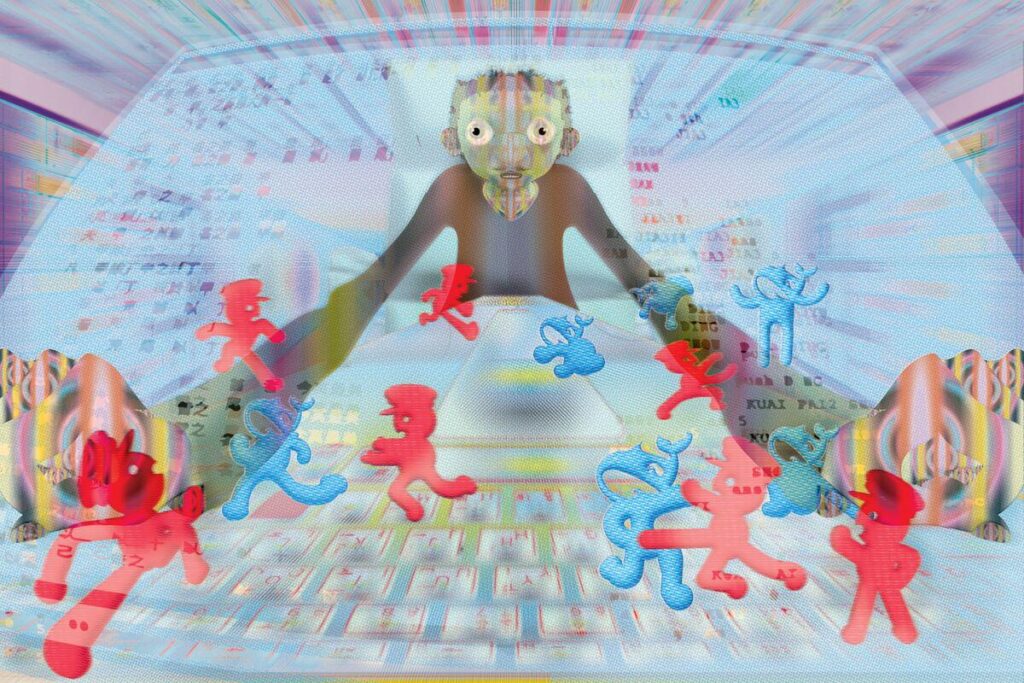
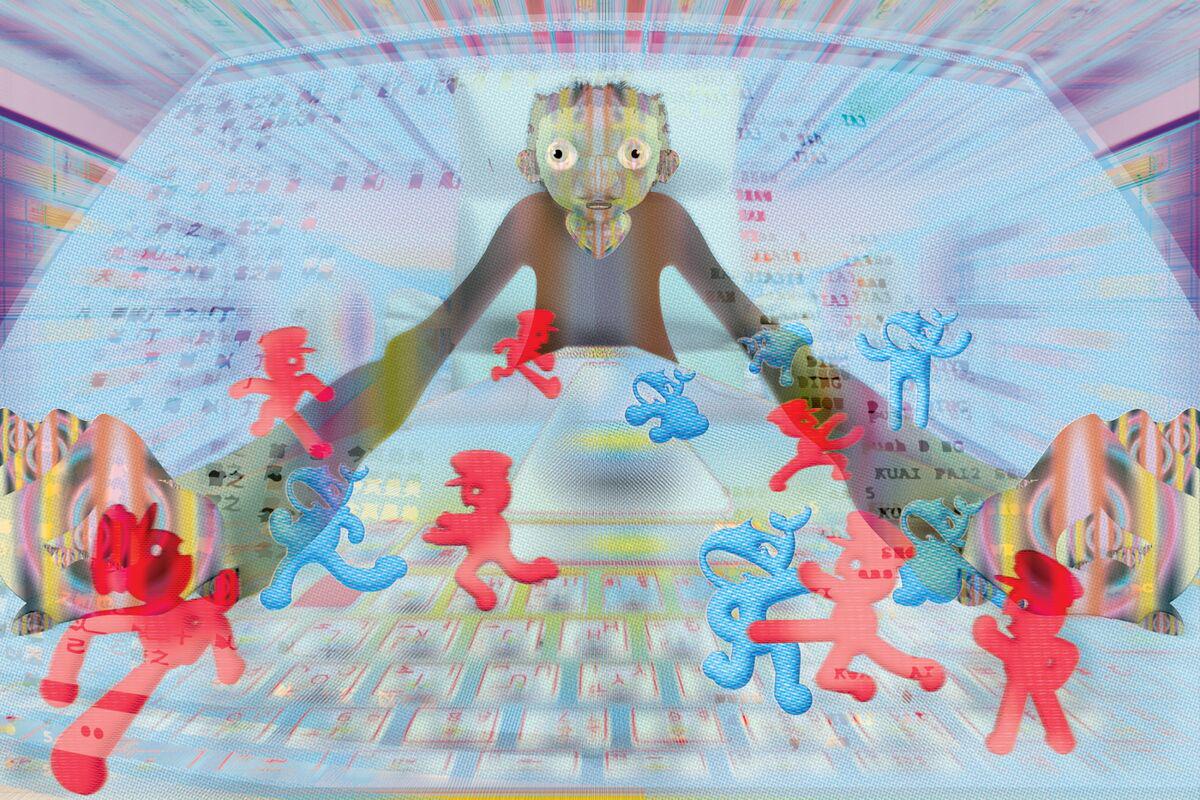
Yet China’s internet defied easy characterization — neither fully subdued by the state nor operating as the freewheeling space early idealists imagined. Instead, journalist Yi-Ling Liu argues in her new book, *The Wall Dancers* (Feb. 3, Penguin), it evolved in an intricate dance between freedom and control — “a dynamic push and pull between state and society.”
everyone arguing about ai freedom vs control while i’m just hoping my wifi doesn’t block half the internet randomly. china built a firewall for ai, my internet provider already does it for free, at this point the future of ai depends less on intelligence and more on who decides what you’re allowed to see
feels like we’re all just getting different versions of the same reality depending on where we log in

2 Comments
*Timothy McLaughlin for Bloomberg News*
On June 1, 1997, *Wired* magazine ran a story chronicling the early, heady days of the internet in China, a country in rapid transition. Market reforms were generating new wealth, and the Communist Party, eight years after the Tiananmen Square crackdown, was projecting renewed global confidence. A month later, Britain handed Hong Kong back to Beijing, ending colonial rule and prompting President Jiang Zemin to declare that China would no longer be “bullied, oppressed and exploited.” At the time, only about 600,000 people in China were online.
Few today would recall the article’s contents, but its title endured: “The Great Firewall of China.” As one of the authors later wrote, the phrase became “a synecdoche for the Chinese party-state itself.”
Yet China’s internet defied easy characterization — neither fully subdued by the state nor operating as the freewheeling space early idealists imagined. Instead, journalist Yi-Ling Liu argues in her new book, *The Wall Dancers* (Feb. 3, Penguin), it evolved in an intricate dance between freedom and control — “a dynamic push and pull between state and society.”
[Read the full review here.](https://www.bloomberg.com/news/articles/2026-03-20/what-the-future-of-ai-looks-like-behind-china-s-great-firewall?accessToken=eyJhbGciOiJIUzI1NiIsInR5cCI6IkpXVCJ9.eyJzb3VyY2UiOiJTdWJzY3JpYmVyR2lmdGVkQXJ0aWNsZSIsImlhdCI6MTc3NDAxOTU4OSwiZXhwIjoxNzc0NjI0Mzg5LCJhcnRpY2xlSWQiOiJUQzY4MDRLR0NURzYwMCIsImJjb25uZWN0SWQiOiJEMzU0MUJFQjhBQUY0QkUwQkFBOUQzNkI3QjlCRjI4OCJ9.BW5yyDwfaFi53_hWO5IBoSgZj0LGQ50ZP_TYVS8T96Y)
everyone arguing about ai freedom vs control while i’m just hoping my wifi doesn’t block half the internet randomly. china built a firewall for ai, my internet provider already does it for free, at this point the future of ai depends less on intelligence and more on who decides what you’re allowed to see
feels like we’re all just getting different versions of the same reality depending on where we log in