
Published on
March 21, 2026
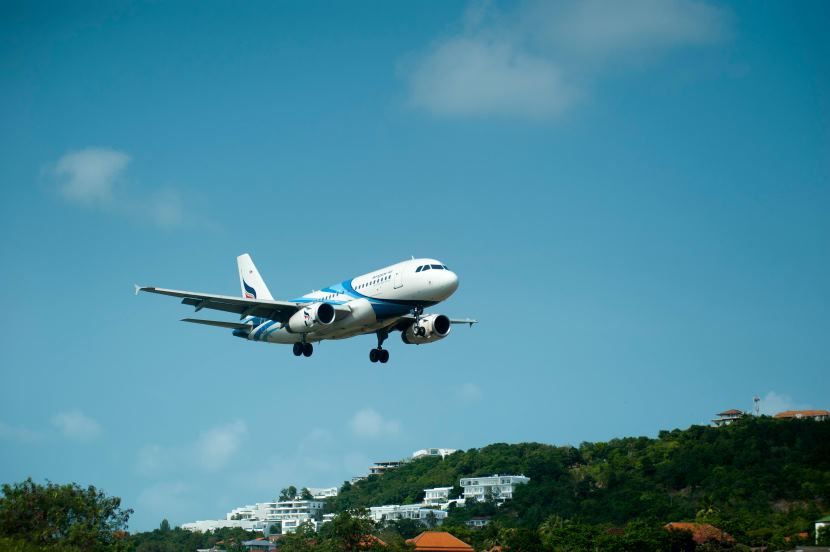
Image generated with Ai
In the contemporary landscape of global aviation, the SWISS International Air Lines organization has identified a significant opportunity to address the burgeoning requirements of the traveling public. It has been observed that a substantial increase in the movement of passengers between the Indian subcontinent and the European continent has necessitated a proactive response from major carriers. Consequently, a decision was reached by the management of SWISS to implement a short-term expansion of its existing flight operations. This initiative is designed to ensure that the logistical needs of travelers are met with precision and efficiency during a period characterized by heightened activity.
The India-Europe corridor has long been recognized as a vital artery for both commerce and leisure. As geopolitical conditions evolve and travel patterns shift, the demand for reliable and frequent connectivity has reached a new zenith. In light of these developments, the introduction of additional services is seen as a necessary measure to maintain the fluid movement of people and goods. By focusing on the Airbus A330 as the primary vessel for this expansion, the airline ensures that a high standard of passenger comfort and operational efficiency is maintained throughout this period of increased density.
Implementation of Enhanced Flight Schedules
From the period of March 19 to March 24, a temporary but significant augmentation of the flight schedule has been orchestrated. It is reported that an additional daily flight is being operated to a major Indian metro city, effectively doubling the service capacity for that specific timeframe. This strategic move is not merely an isolated event but rather a reflection of a broader trend within the aviation industry where flexibility and rapid response to market fluctuations are paramount. The Airbus A330, a wide-body aircraft distinguished by its long-haul capabilities, has been selected to facilitate these extra rotations, thereby significantly boosting the total seat inventory available to the public.
The deployment of such a capable aircraft underscores the commitment of SWISS to providing a seamless travel experience. When travel demand surges, the strain on existing infrastructure can be considerable. However, by introducing these short-term measures, the airline effectively mitigates potential disruptions and offers travelers a wider array of options. This flexibility is particularly crucial in an era where global aviation routes are frequently subject to external pressures and adjustments. The additional capacity provided during this peak demand window is expected to alleviate pressure on the existing daily services, ensuring that the needs of the India market are prioritized.
Addressing Global Aviation Trends and Passenger Needs
The decision-making process behind this capacity increase is rooted in a deep understanding of current aviation trends. It is noted that global travel patterns are currently being reshaped by a variety of factors, including economic shifts and changes in international relations. As these patterns evolve, airlines are forced to be more agile in their resource allocation. For SWISS, the enhancement of connectivity between Europe and India is a logical progression of its operational strategy. The focus remains on providing reliable links between these two geographically distant but economically intertwined regions.
Furthermore, the emphasis on passenger comfort remains a cornerstone of the service expansion. The Airbus A330 is frequently lauded for its cabin configuration and efficiency, making it an ideal choice for the long-haul journey between Switzerland and India. By utilizing this aircraft, the airline ensures that the quality of the journey is not compromised, even as the frequency of flights is increased. This balance between quantity and quality is essential for maintaining the reputation of SWISS International Air Lines as a premier global carrier.
Advertisement
Advertisement
Long-Term Implications of Short-Term Capacity Adjustments
While the current expansion is framed as a short-term response to immediate demand, its implications are far-reaching. The ability of an airline to scale its operations at short notice is a testament to its operational robustness. It demonstrates a high level of coordination between fleet management, scheduling, and ground operations. As India continues to emerge as a powerhouse in the global travel market, the actions taken by carriers like SWISS provide valuable insights into the future of international aviation.
The surge in demand is not expected to be a fleeting phenomenon. Instead, it is indicative of a sustained interest in cross-continental travel. By successfully managing this temporary increase in flights, SWISS positions itself as a key player in the ongoing development of the India-Europe travel sector. The lessons learned during this period of high demand will likely inform future scheduling decisions and capacity planning. As the aviation industry continues to navigate a complex and ever-changing environment, the prioritization of passenger needs and the maintenance of strong international links remain the ultimate goals.
Advertisement
Advertisement
Conclusion and Future Outlook
In summary, the temporary increase in flight services between India and Europe by SWISS International Air Lines represents a strategic and well-executed response to market dynamics. Through the use of the Airbus A330 and the addition of daily frequencies to key metropolitan areas, the airline has successfully addressed a critical surge in passenger demand. This move highlights the importance of adaptability in the modern aviation sector and reinforces the vital connection between these two major global regions. As travelers continue to seek efficient and comfortable ways to traverse the globe, the role of such capacity expansions will undoubtedly remain a focal point of airline operations.
