
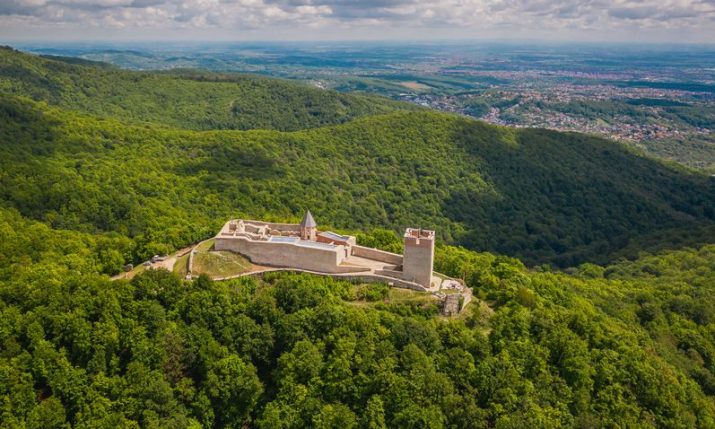
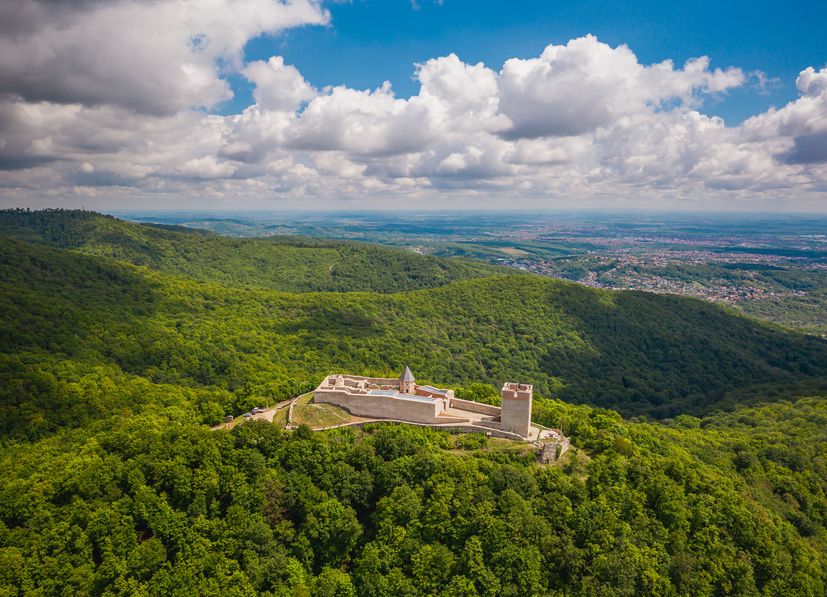
Medvedgrad (Photo credit: J. Duval/Zagreb Tourist Board)
ZAGREB, 23 March (Hina) – Forests and forest land in Croatia cover nearly 50% of the country’s land area, placing it among the most forest-rich nations in Europe.
They are still in relatively good health, although exposed to various threats, the state-run forest management company called “Hrvatske šume (HŠ)” said on the occasion of the International Day of Forests, marked on 21 March.
Croatia currently has 35 special forest vegetation reserves.
“We want to raise awareness among the public, from the youngest to the oldest, that forests are a renewable natural resource and a national treasure. Citizens can be assured that forests are managed thoughtfully, professionally and in a planned manner. For 260 years, foresters have applied the principle of continuity, or sustainability, meaning that significantly less timber is harvested than the forest produces,” the HŠ company said in a statement to Hina marking the International Day of Forests.
This year, the day is being observed under the theme “Forests and economies”.
An invaluable natural resource
The HŠ board chair, Joško Radanović, said that forests are an invaluable natural resource for Croatia. “They are not only the foundation of our biodiversity and environmental protection, but also an important economic asset that generates jobs and contributes to the development of local communities.”
He noted that this year’s theme highlights how sustainable forest management and the responsible stewardship of natural resources are crucial for the long-term stability and prosperity of society.
Hrvatske Šume works daily on the conservation, restoration and improvement of forest ecosystems, with a particular focus this year on the restoration of forests in the Spačva Basin in easternmost Croatia, which suffered significant damage during storms in 2023.
“Our goal is not only to restore forests, but to make them more resilient to climate change and future challenges. Forests are our shared heritage and responsibility, so let us preserve them for future generations,” said Radanović.
More than 49% of Croatia’s land area is covered by forests and forest land, of which 95% are natural forests. This share places Croatia among the most forested countries in Europe. Croatia has 2.7 million hectares of forests and forest land, of which around 2 million hectares are managed by the HŠ company.
Radanović stressed that preserved and natural forests form the basis for the designation of numerous protected landscapes, special reserves, national parks and nature parks, and that their fundamental values are maintained thanks to professional forest management.
“Overall, we can say that forests in Croatia are still in fairly good health, although exposed to various threats. The greatest threat to forests in Europe, Croatia and the rest of the world is climate change, as well as global trade, which contributes to the emergence of new diseases and harmful organisms, mostly foreign invasive species.”
Examples include the widespread dieback of narrow-leaved ash, acute oak decline, the oak lace bug—now also familiar to citizens due to its large presence even in urban areas—and a significant number of invasive plant species.
Forest fires also pose a major threat to forests and biodiversity. Hrvatske šume invests around €13 million annually in forest fire protection. This includes the construction and maintenance of forest fire roads and observation posts, the organisation of a monitoring and alert service, silvicultural works, forest video surveillance and awareness campaigns.
Green spaces for a better quality of life
In recent years, extreme weather events have become more frequent and destructive, which can also be attributed to climate change. During the severe storm of 2023, the Slavonia region was the most affected. Forest rehabilitation is in full swing, but the consequences will be felt for decades.
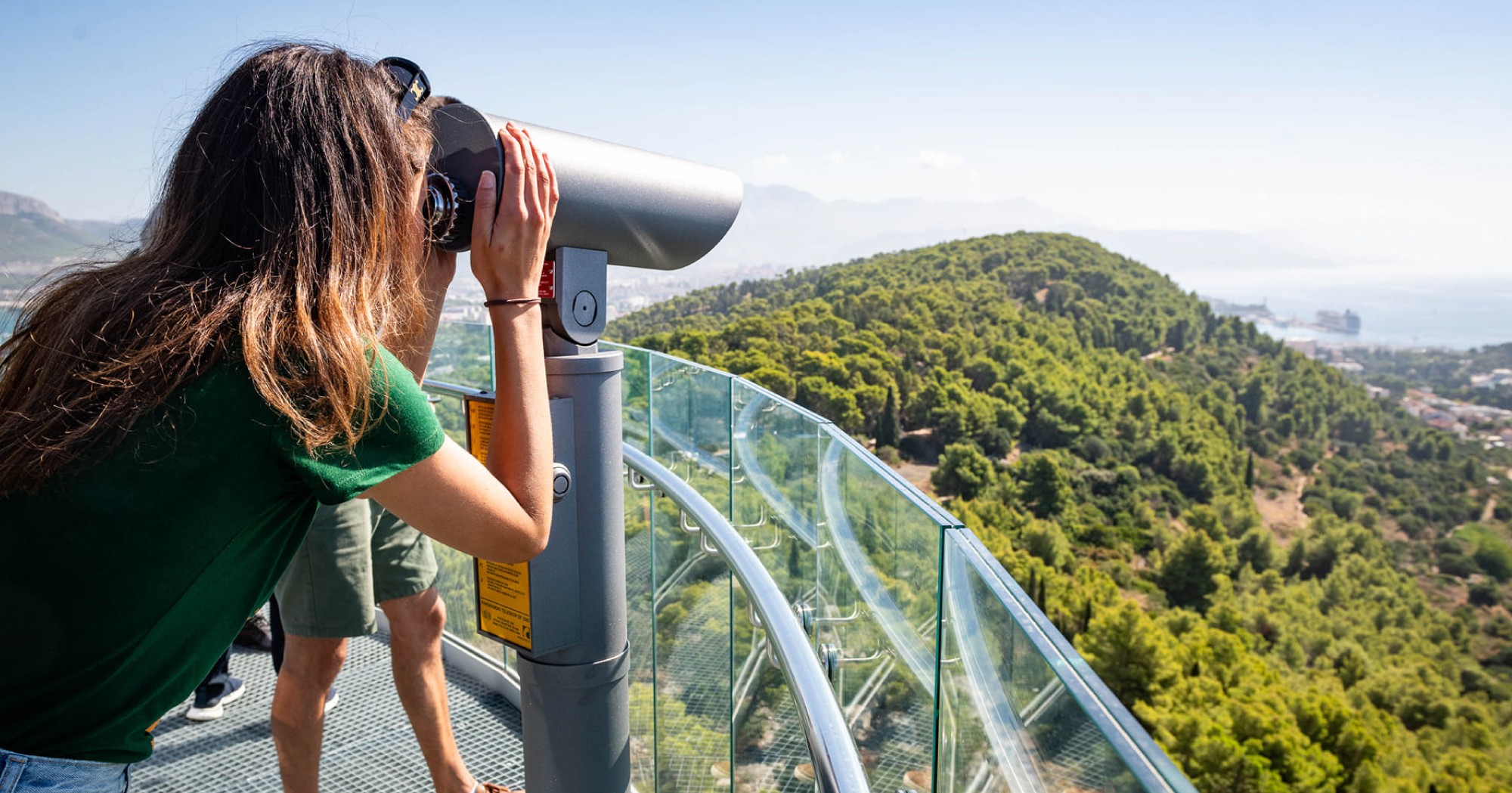
Marjan, Split (Photo: Grad Split)
Hrvatske šume emphasises that all urban areas need abundant greenery to ensure a better quality of life for residents. Zagreb and Split, for example, have Medvednica and Marjan, noting that the state is not their sole owner.