
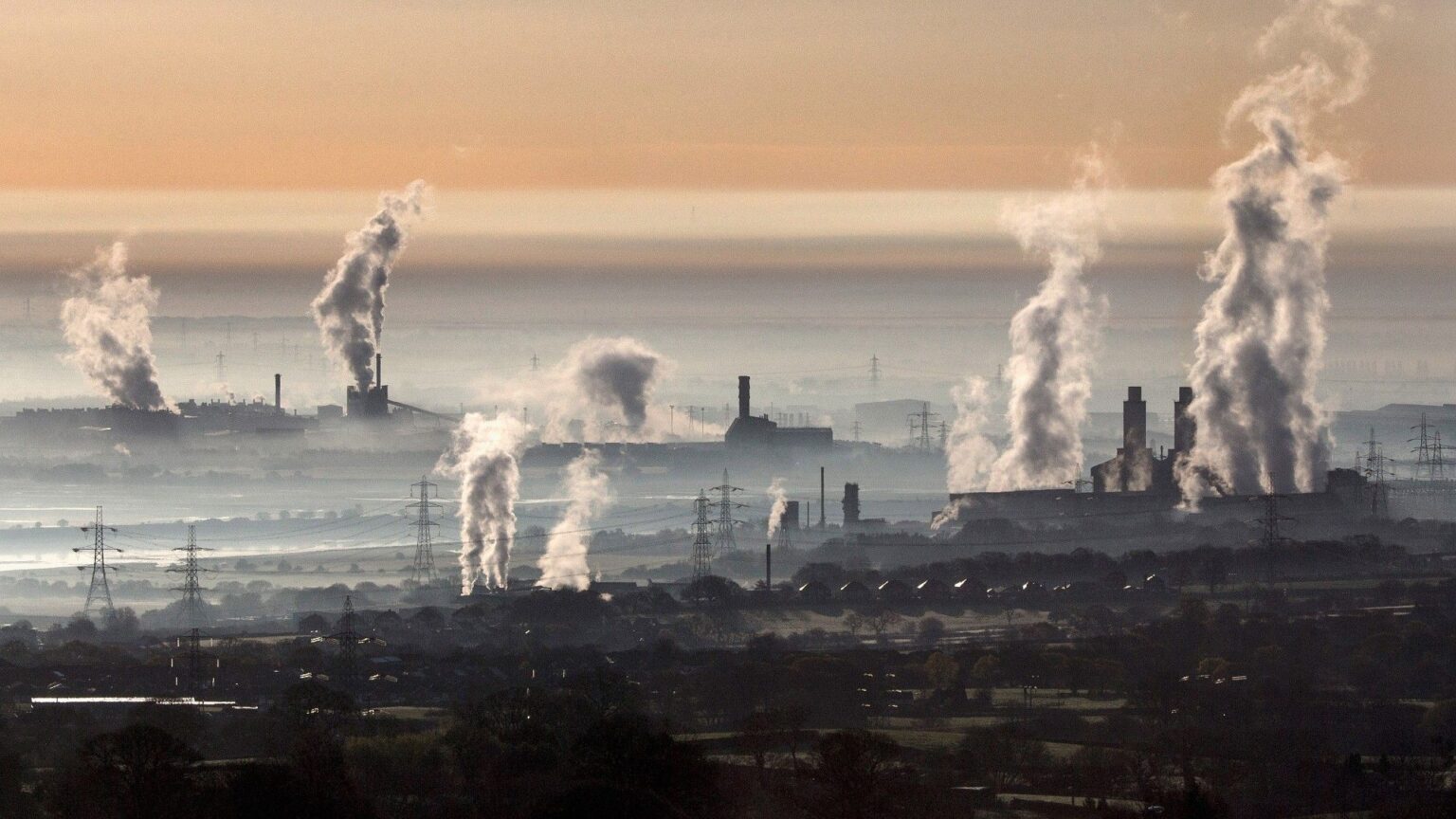
At least half of the steel used in Britain should be made in the country, the government has said as it launched its new strategy for the struggling industry.
This is a “watershed moment”, said Sky News, and, in “economic and historical terms”, it’s “dynamite”.
What are they?
The strategy is an attempt to save Britain’s beleaguered steelmakers. At its heart is a new tariff on many steel imports and a reform of quotas on those imports. Imported steel quotas will be reduced by 60% and anything brought in above that level will be subject to a 50% tariff, said the Department for Business and Trade.
Article continues below
You may like
From our morning news briefing to a weekly Good News Newsletter, get the best of The Week delivered directly to your inbox.
From our morning news briefing to a weekly Good News Newsletter, get the best of The Week delivered directly to your inbox.
The government’s “ambition” is to raise the proportion of domestically produced steel to 50%, from its current record low of 30%.
Up to £2.5 billion will be given to steel producers that have effectively been nationalised and to support private steelmakers around the UK in their quest to produce lower carbon metal.
Why are the tariffs so important?
This is a “significant” moment, said Sky News, because these are “probably the biggest increases” in trade barriers imposed by a British government in “at least a generation”.
Other countries, “most glaringly” America under Donald Trump, have raised many of their tariff barriers, but Britain had “held firm”. For many ministers it was a “matter of national pride”, because they “felt that to raise tariffs, even in an environment where everyone else was, would be an abomination”. But now Britain is “dipping its toes into the waters of protectionism”.
Will they work?
A leading HS2 contractor has warned that raising tariffs on foreign steel imports will “exacerbate” cost pressures for the UK construction industry. Mark Reynolds, chair of construction company Mace, told The Guardian that with energy costs rising and an already depressed construction sector, the move is “ill-timed and unhelpful”.
But Gareth Stace, director general of UK Steel, said this was a “crucial moment” because “with global markets distorted by overcapacity and subsidy, a clear and ambitious domestic strategy is exactly what is required to ensure steelmaking not only survives in the UK but thrives”.
The Conservatives’ shadow business secretary Andrew Griffith described the measure as “red tape” and said that raising the cost of imported steel “means more cost for the construction industry, less infrastructure investment and is a further blow to the diminishing number of firms making things in the UK”.
The government’s approach to the industry has “always looked like a cross between inveterate, unshakeable optimism and the panicked thrashings of a drowning man clutching for a flotation aid”, said Eliot Wilson on CapX.
The tariffs are “not so much a strategy as a sticking plaster”. If the UK’s steel sector is “unable to compete on the world stage” we shouldn’t have a policy of “allowing it to survive financially” without “some notion of the limits of that”.
Explore More