
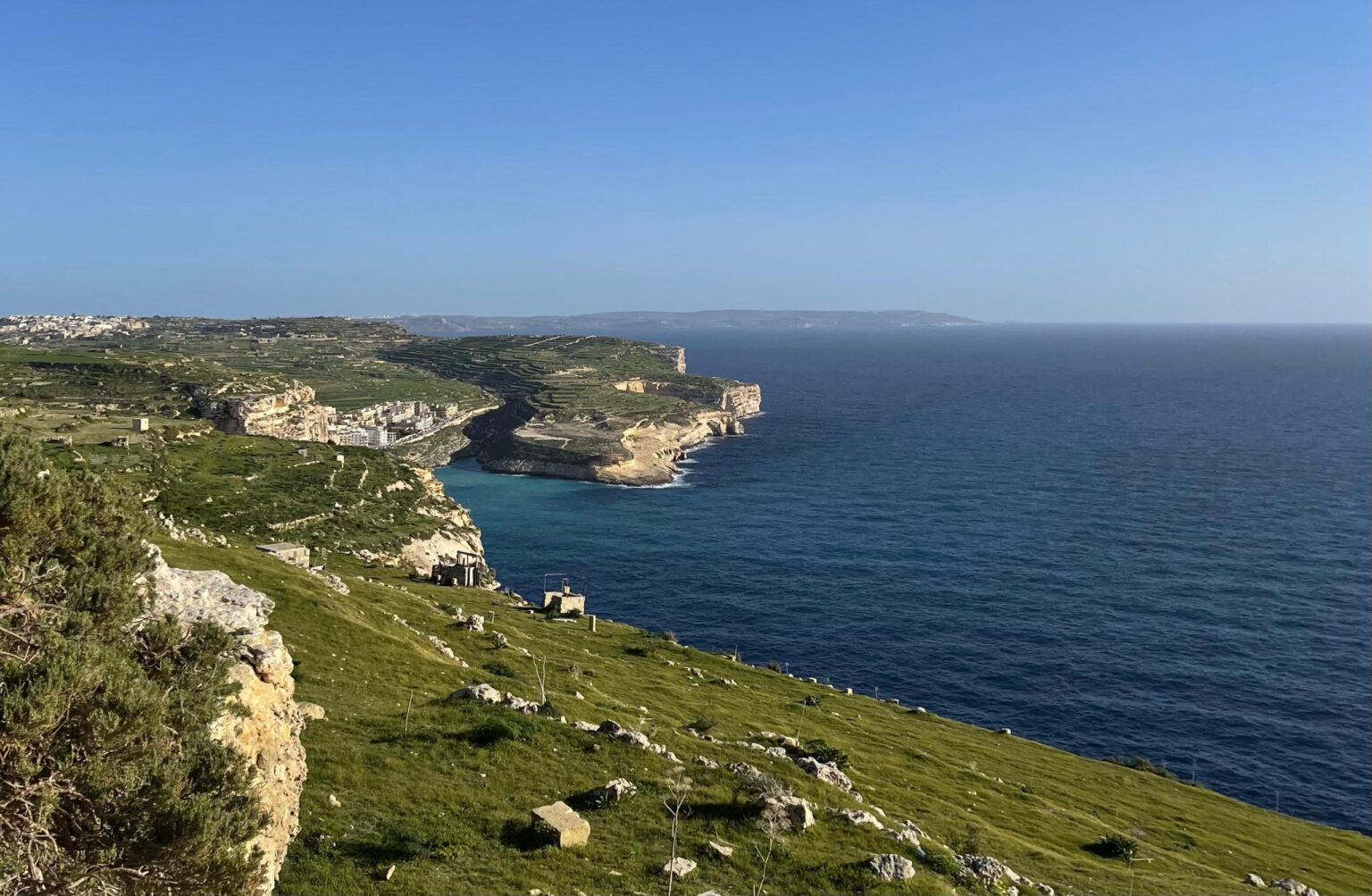
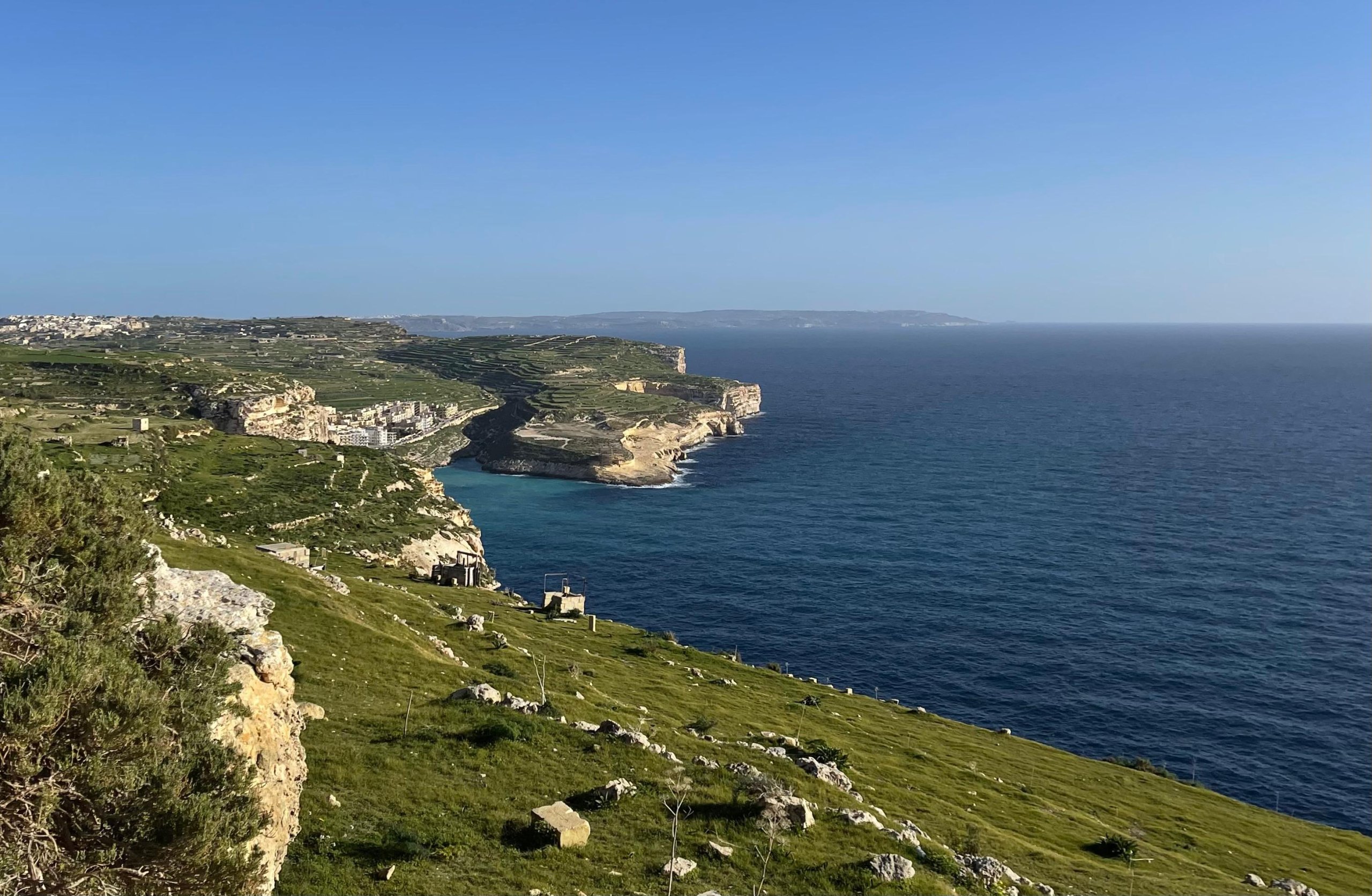
 Ritratt: Miguela Xuereb
Tista’ taqra bil-
Malti.
A European Commission representative confirmed that seawater readings indicated that Malta was continuing to breach EU rules related to sewage treatment in response to a petition to the European Parliament organised by Flimkien għal Ambjent Aħjar.
In an October 2024 judgment, the Court of Justice of the European Union had found that Malta had failed to fulfil its obligations related to the management of urban wastewater by failing to ensure that such wastewater – in effect sewage – is properly treated before discharge at sea, and by failing to properly monitor such discharges.
This ruling, however, has failed to deliver results to date, with various beach closures due to sewage discharges reported last summer.
In light of this, FAA submitted a petition to the European Parliament, one which the EP’s Petitions Committee (PETI) formally accepted for debate.
In its petition, FAA said that it expected the government to guarantee people’s “right to clean seas, free from sewage contamination” in the wake of the CJEU ruling, but sewage continued to affect various beaches across the Maltese islands.
The European Parliament and the European Commission were urged to enquire about the measures Malta had taken to comply with its EU obligations, and urged the Commission to consider further action to secure the effective implementation of the court judgment as a matter of urgency.
Malta ‘exceeded its carrying capacity’
FAA member Benjamin Mifsud Scicluna addressed the committee in a discussion which also saw the participation of Nationalist Party MEP Peter Agius, a full member of PETI.
Mifsud Scicluna highlighted that no less than 9 Maltese beaches faced closures due to sewage contamination, and said that the problem was a “simple” one: Malta had exceeded its carrying capacity and its infrastructure no longer coped with pressure.
Describing himself as a Maltese citizen who enjoyed the sea – which he said was “not only part of our identity but also a vital resource for our environment, culture and economy” – the activist said that it was unacceptable for sewage overflows to continue taking place, and said that Malta’s seas deserved proper protection: not just on paper.
Maltese hoped EU membership would bring high standards – Agius
In his own intervention, Agius similarly noted that the Maltese loved the sea as he emphasised that the sewage discharges were negatively affecting much of the population.
The MEP also stressed that the Maltese had looked at the EU “with a lot of hope,” and that they expected it to ensure high environmental standards after the country became a member in 2004.
Instead, he lamented, they were still encountering sewage when they went for a swim.
“We speak a lot about laws, but they are not worth anything if they do not translate into rights,” he said.
He insisted that the European Commission needed to act in the wake of the court case, and address a situation that had remained unchanged, leaving Malta with unclean sea.
“If you do not want people to view Europe as a toothless entity, then we need to act now,” he concluded.

