
Al-Masry Al-Youm, Egypt, March 6
What is unfolding in Iran—the attempt to weaken the regime from within through US-backed unrest, alongside the arming and encouragement of anti-regime elements on the country’s periphery—is often described through the lens of “creative chaos,” a concept that gained prominence after the uprisings of the so-called Arab Spring. The term refers to the idea that a new political order can emerge only after a period of deliberate instability and disruption. It is often associated with Bernard Lewis and with a broader school of thought that viewed the spread of democracy in the Middle East as a strategic response to radical Islamist violence and a means of protecting American interests.
In the face of what it sees as an externally driven effort to topple the rule of the mullahs, the Iranian leadership has mobilized millions of supporters, filling the streets with slogans of defiance and warning. At the same time, Iran’s own military response under sustained bombardment is becoming more visible.
One Iranian military official, quoted by Iran News, warned that if President Donald Trump’s administration and Israel try to overthrow the regime through armed chaos, Iran will strike the Dimona nuclear reactor. This is precisely the nightmare scenario that has long haunted observers: that Iran, under existential pressure, could respond by targeting Israel’s most prominent nuclear facility, a strike that would radically alter the course of the war.
Even if such threats remain rhetorical, the very possibility of an attack on Dimona would drag the Middle East into a new strategic reality overshadowed by nuclear uncertainty. Humanity cannot withstand a nuclear war, and the fear that the Iranian conflict could enter such a phase is what alarms the world most. If the war were ever to reach that stage, the region—and perhaps far beyond it—would stand on the edge of annihilation.
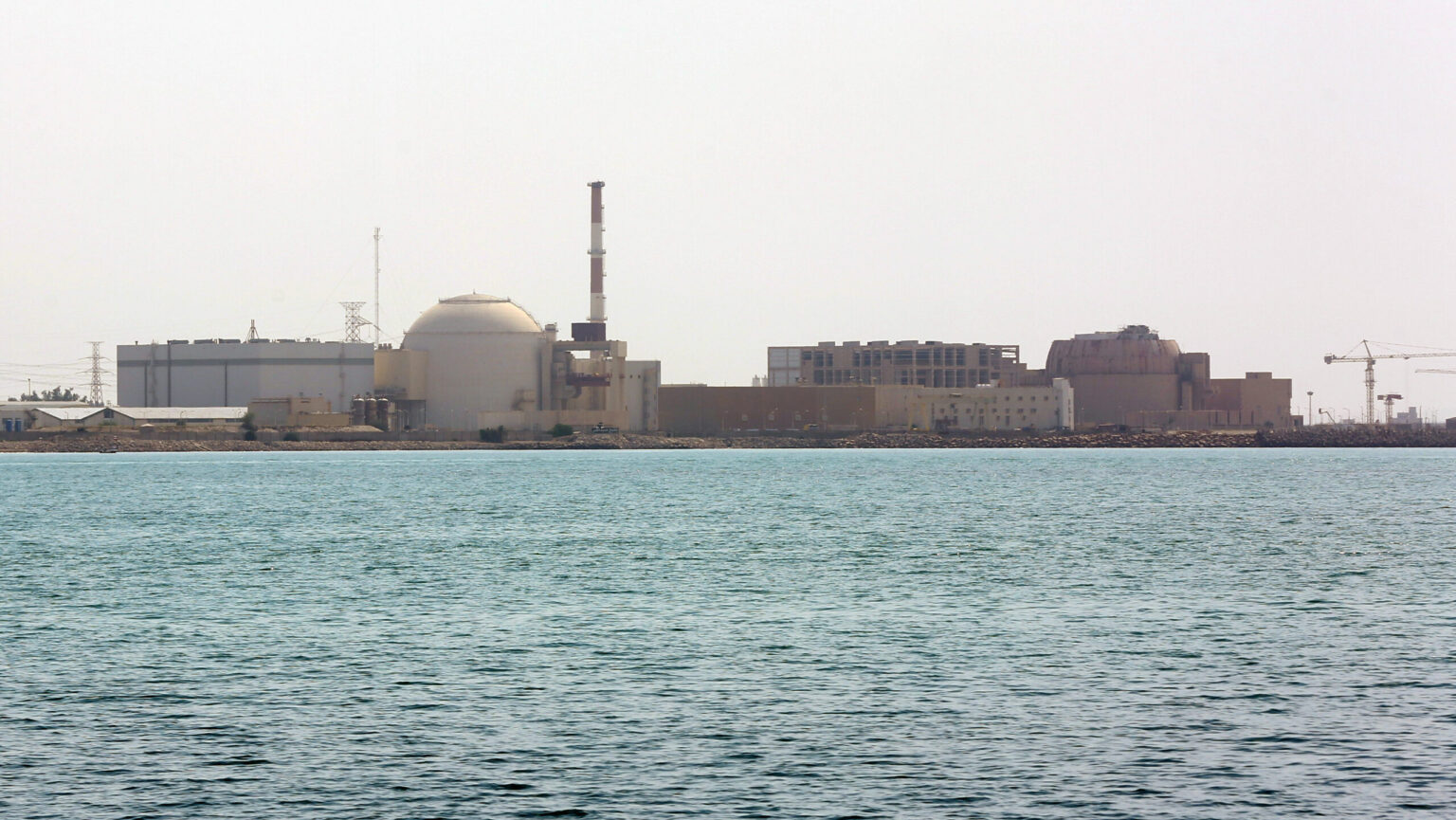
Experts have long treated the reactors at Bushehr, Arak, and Dimona as untouchable red lines. An attack on any of them could trigger a disaster comparable to Chernobyl or Fukushima, yet potentially even more dangerous and far harder to contain. This is why the language of “doomsday” has become increasingly common in discussions of the conflict. The term may sound theological, but its implications are painfully concrete.
Iran’s emotional and politically charged reaction to the assassination of Supreme Leader Ali Khamenei continues to shape the mood inside the country, especially within the Revolutionary Guard. In such an atmosphere, fears persist that Dimona could be targeted deliberately or drawn into the conflict through uncontrolled escalation.
Certainly, dark strategic calculations govern this phase of the confrontation. American planners appear to envision the possibility of weakening the regime through bombardment and internal pressure, while Israeli strategy has focused on decapitating the leadership through targeted strikes on senior figures.
Following Khamenei’s assassination, Israel seems prepared for the war to unfold more directly on Iranian soil and for Tehran to retaliate with missile fire against Israel. The specter of strikes on nuclear infrastructure is not entirely new.
During last June’s 12-day war, Israel, with US backing, effectively tested the boundaries of such a scenario when Washington announced strikes on sites linked to Iran’s nuclear program. Yet those operations stopped short of destroying the heart of Iran’s enrichment capability, instead targeting support installations and technical components while leaving core enrichment facilities untouched.
This reflected a deeper reality: however formidable American military power may be, any direct effort to seize or fully neutralize Iran’s nuclear infrastructure would be extraordinarily complex. For that reason, the military logic surrounding the nuclear file remains distinct from the war’s other objectives.
For now, strikes continue to focus mainly on conventional military targets, while the issue of enriched uranium remains enmeshed in a wider web of military, technical, and political calculations. What is most alarming is that these calculations may ultimately fail to restrain either Iran or Israel. Both possess strong retaliatory impulses, and if those impulses break free of strategic discipline, the entire region could be pulled into a catastrophic confrontation with nuclear consequences.
Hamdy Rizk (translated by Asaf Zilberfarb)