

Published on
March 26, 2026
By: Tuhin Sarkar

Image generated with Ai
Iceland joins Switzerland, Finland, Denmark, Norway, Austria, Malta, Slovenia and other European countries in lowest crime rate league as Eurostat and UNODC data confirm Europe’s safest nations, urging readers to explore the full story.
Iceland joins Switzerland, Finland, Denmark, Norway, Austria, Malta, Slovenia and other European countries in lowest crime rate league as Eurostat and UNODC data confirm Europe’s safest nations, urging readers to explore the full story.
Iceland joins Switzerland, Finland, Denmark, Norway, Austria, Malta, Slovenia and other European countries in lowest crime rate league, backed by Eurostat and UNODC data. This development is not accidental. It reflects a deep structural shift across Europe. Travel And Tour World urges readers to read the entire story. The latest data from Eurostat and UNODC clearly confirms that Iceland joins Switzerland, Finland, Denmark, Norway, Austria, Malta, Slovenia and other European countries in lowest crime rate league with strong statistical backing.
Moreover, these countries consistently report extremely low homicide rates. They also show reduced levels of violent crime. Iceland leads with near-zero homicide levels. Switzerland follows with strong policing systems. Finland, Denmark and Norway benefit from robust welfare models. Austria, Malta and Slovenia maintain stable governance. Therefore, Iceland joins Switzerland, Finland, Denmark, Norway, Austria, Malta, Slovenia and other European countries in lowest crime rate league due to long-term institutional strength.
Additionally, Eurostat and UNODC data highlight a broader trend. Europe continues to remain the safest continent globally. Crime perception may vary. However, actual crime rates remain low. These countries demonstrate how policy consistency reduces crime. Social trust also plays a critical role. Economic stability further strengthens safety outcomes.
Advertisement
Advertisement
Consequently, Iceland joins Switzerland, Finland, Denmark, Norway, Austria, Malta, Slovenia and other European countries in lowest crime rate league as a direct result of governance, welfare systems and law enforcement efficiency. This pattern is now shaping global safety benchmarks. It also influences travel decisions. It reassures international tourists. The findings underline Europe’s unmatched safety advantage. Readers must understand the deeper reasons behind this shift.
Europe remains the safest continent globally. Countries such as Iceland, Croatia, Poland, Slovakia and Nordic nations record the lowest crime rates. This is confirmed by Eurostat and UNODC. Strong governance drives this trend. Welfare systems also reduce crime. Homicide rates remain extremely low. Safety levels continue to improve. Europe leads globally in public security.
Advertisement
Advertisement

Image generated with Ai
European Countries Under the Spotlight as Official Data Reveals Lowest Crime Zones
Europe continues to dominate global safety rankings. Official datasets confirm this trend clearly. Crime levels remain far below global averages. The latest figures from Eurostat show only 3,930 homicides across the EU in 2023. This number is extremely low for such a large population. It reflects long-term decline in violence. It also shows strong institutional control.
However, safety is not uniform across Europe. Some countries perform much better than others. Iceland leads with near-zero violent crime. Croatia and Poland follow closely. Slovakia also ranks among the safest. Nordic nations dominate global rankings consistently. Western Europe shows higher crime perception despite moderate crime levels, based on Eurostat indicators.
This report examines official data country by country. It explains why some countries remain safer. It highlights structural differences. It focuses on governance and social systems. It also evaluates crime perception. These insights matter for tourism and policy. The findings reveal a clear safety hierarchy across Europe.
Why Does Iceland Consistently Rank as Europe’s Safest Country?
Iceland remains Europe’s safest country. It records almost zero homicide annually. This is confirmed by UNODC data. The country has no standing army. Police officers are mostly unarmed. This reduces escalation of violence. Social trust remains very high. Citizens trust institutions strongly.
The population size also plays a role. Iceland has a small and stable population. Crime networks cannot easily develop. Welfare policies reduce inequality. Education levels are high across society. These factors reduce crime drivers. Social cohesion remains strong. Communities are closely connected.
Serious crime is extremely rare. Most incidents are minor. Law enforcement focuses on prevention. This strategy works effectively. Public cooperation remains high. Iceland sets a global benchmark. Its model shows how governance shapes safety. It also proves that social stability reduces crime.

Image generated with Ai
How Do Croatia, Poland and Slovakia Lead Europe in Low Crime Rates?
Croatia, Poland and Slovakia lead within the EU. Eurostat data confirms very low crime perception. Only about 1–3% of residents report crime concerns. This is among the lowest in Europe. These countries show consistent improvements. Crime has declined steadily over time.
Croatia reports very low violent crime. Most cases involve petty theft. Tourism remains strong due to safety. Poland shows strong policing systems. Crime rates have fallen significantly over the past decade. Slovakia reports low theft rates. It also shows minimal violent incidents.
Economic growth has improved stability. Governance reforms strengthened institutions. Public trust has increased. Urban crime remains limited. Rural areas are even safer. These countries outperform Western Europe in safety metrics. This shift reflects deeper structural change. Central Europe is now a safety leader.
What Makes Nordic Countries Among the Safest in the World?
Nordic countries remain global leaders in safety. Finland, Denmark and Norway show very low violent crime. Data from Eurostat supports this trend. Welfare systems are strong in these countries. Income inequality remains low. Social benefits reduce economic stress.
Trust is a key factor. Citizens trust police and government institutions. This reduces conflict. It increases cooperation. Education systems promote responsibility. Communities remain engaged. Social cohesion is high.
Law enforcement focuses on prevention. Early intervention reduces crime risks. Rehabilitation reduces repeat offences. Urban areas remain safe. Violent incidents are rare. Petty crime exists but is controlled. Strong legal frameworks support safety. The Nordic model remains highly effective.
Is Western Europe Less Safe Than Central and Northern Europe?
Western Europe shows a different pattern. Crime perception is higher in many areas. Countries like France and Belgium report higher concern levels. Eurostat surveys highlight this trend. Over 20% of urban residents report safety concerns in some cities. This contrasts with Central Europe.
However, actual violent crime remains low. Homicide rates are still among the lowest globally. UNODC confirms this data. The issue is perception. Urban density increases visibility of crime. Large cities attract more incidents.
Economic disparities also play a role. Migration pressures can increase tension. Social inequality influences perception. Policing remains strong. But public fear remains high. Western Europe is still safe globally. However, it does not match Nordic or Central Europe. The gap between perception and reality is significant.
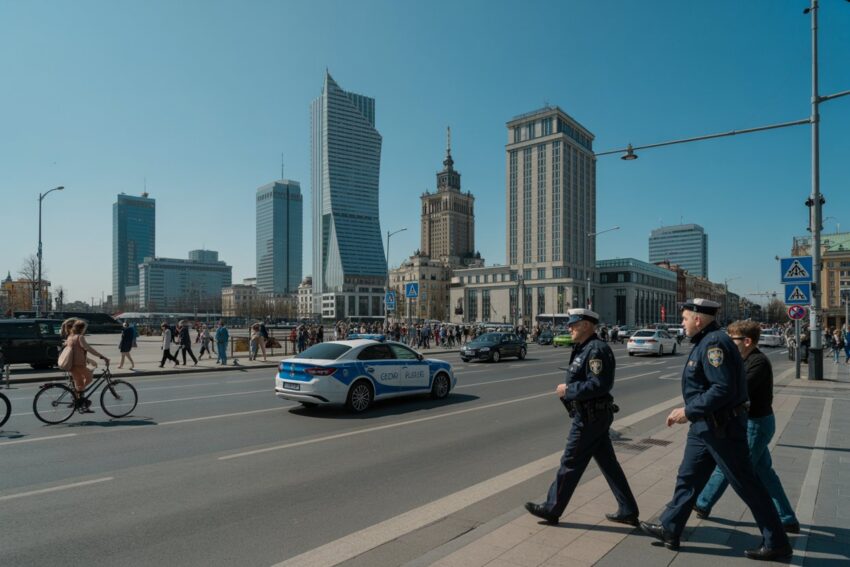
Image generated with Ai
Why Is Homicide Rate the Most Reliable Indicator of Crime?
Homicide rate is the most reliable metric. It is consistent across countries. Minor crimes are often underreported. Theft data varies widely. Homicide is always recorded. This makes it reliable. UNODC uses it as a key indicator.
Europe records very low homicide rates. Many countries fall below 1 per 100,000 people. This indicates low violence. It reflects strong law enforcement. Healthcare systems also help. Emergency response reduces fatalities.
Using homicide data avoids distortion. It provides clear comparison. It shows long-term trends. Europe’s decline in homicide confirms its safety. This makes it the best benchmark. It also supports policy decisions. Reliable data is essential for analysis.
What Role Do Governance and Welfare Systems Play in Crime Reduction?
Governance plays a central role in safety. Strong institutions reduce crime. Effective policing deters criminal activity. Transparent systems build trust. Data from OECD supports this link. Countries with better governance show lower crime.
Welfare systems address root causes. Poverty often drives crime. Social benefits reduce inequality. Education improves opportunities. Healthcare supports mental stability. These factors reduce violence.
Community programmes also help. They prevent social exclusion. They build cohesion. Countries like Denmark show this model clearly. Policy consistency ensures long-term success. Investment in social systems pays off. Europe’s safest countries follow this approach. This explains their low crime levels.
The conclusion is clear. Iceland joins Switzerland, Finland, Denmark, Norway, Austria, Malta, Slovenia and other European countries in lowest crime rate league because of structural strength. The cause lies in governance systems. Strong institutions reduce crime risks. Welfare models address inequality. Education improves long-term outcomes. These factors work together. They create stable societies.
The answer also lies in data consistency. Eurostat and UNODC provide reliable evidence. Homicide rates remain extremely low. Violent crime is minimal. This confirms Europe’s safety leadership. Iceland joins Switzerland, Finland, Denmark, Norway, Austria, Malta, Slovenia and other European countries in lowest crime rate league because these nations maintain policy discipline. They invest in prevention. They build public trust.
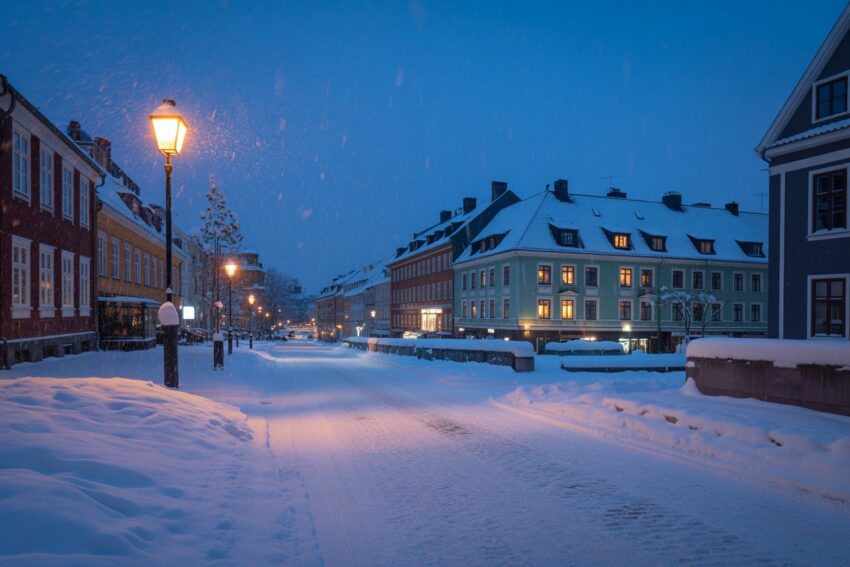
Image generated with Ai
The reason extends beyond policing. Social cohesion plays a major role. Citizens trust institutions. This reduces conflict. It increases cooperation. Economic stability also matters. Lower inequality reduces crime incentives. Healthcare systems support mental wellbeing. These elements strengthen safety frameworks.
Furthermore, Iceland joins Switzerland, Finland, Denmark, Norway, Austria, Malta, Slovenia and other European countries in lowest crime rate league because they prioritise long-term planning. Short-term fixes do not work. Sustainable policies deliver results. Europe’s model proves this.
For travellers, the message is strong. Europe remains highly secure. For policymakers, the lesson is clear. Investment in governance and welfare reduces crime. Iceland joins Switzerland, Finland, Denmark, Norway, Austria, Malta, Slovenia and other European countries in lowest crime rate league as a result of deliberate strategy. This is not coincidence. It is policy success. Europe continues to lead the global safety narrative.
Are European Cities Still Safe for Travellers Despite Rising Concerns?
European cities remain safe for travellers. However, concerns have increased. Tourists often face petty crime. Pickpocketing is common in busy areas. Violent crime remains rare, according to Eurostat. This distinction is important.
Cities like Paris and Amsterdam show higher incidents. These are mostly non-violent. Tourist zones attract opportunistic crime. Authorities have increased surveillance. Police presence is stronger.
Technology improves safety. CCTV systems monitor public spaces. Response times have improved. Emergency services are efficient. Travel infrastructure supports security.
Travellers should stay aware. Basic precautions are enough. Europe remains one of the safest regions globally. Perception does not match reality. Confidence in travel remains strong. Safety continues to support tourism growth.
Europe’s safety is built on strong foundations. Governance plays a key role. Welfare systems reduce crime drivers. Social trust strengthens stability. Official data confirms this clearly. The EU recorded fewer than 4,000 homicides in 2023, according to Eurostat.
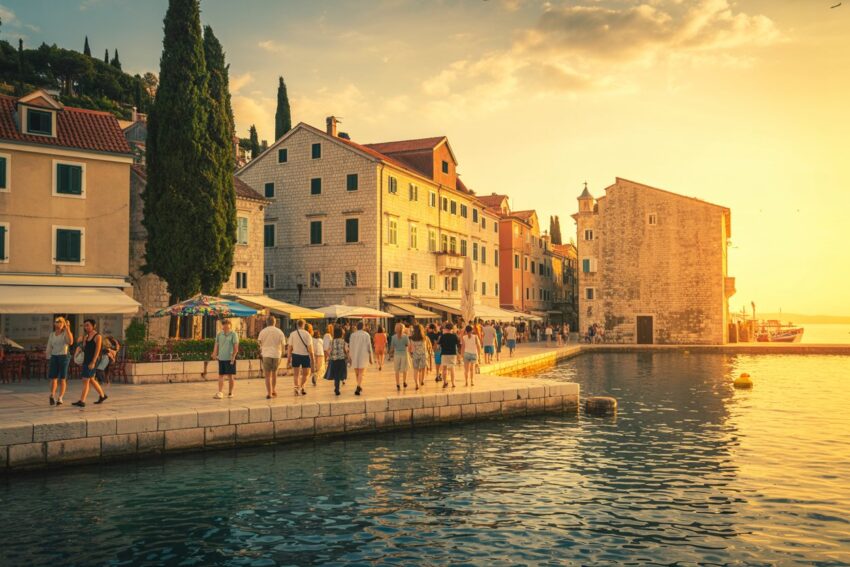
Image generated with Ai
Countries like Iceland and Croatia lead the rankings. Poland and Slovakia also perform strongly. Nordic nations remain global benchmarks. Their success is based on long-term policy. Central Europe now outperforms Western regions.
Perception remains a challenge. Some regions report higher fear. Actual crime remains low. This gap must be addressed. Clear communication is essential.
For travellers, Europe remains highly secure. For policymakers, it offers a proven model. Safety continues to define the continent. It strengthens tourism and economic growth. Europe remains the global leader in security.
Advertisement
Advertisement
