
Published on
March 26, 2026
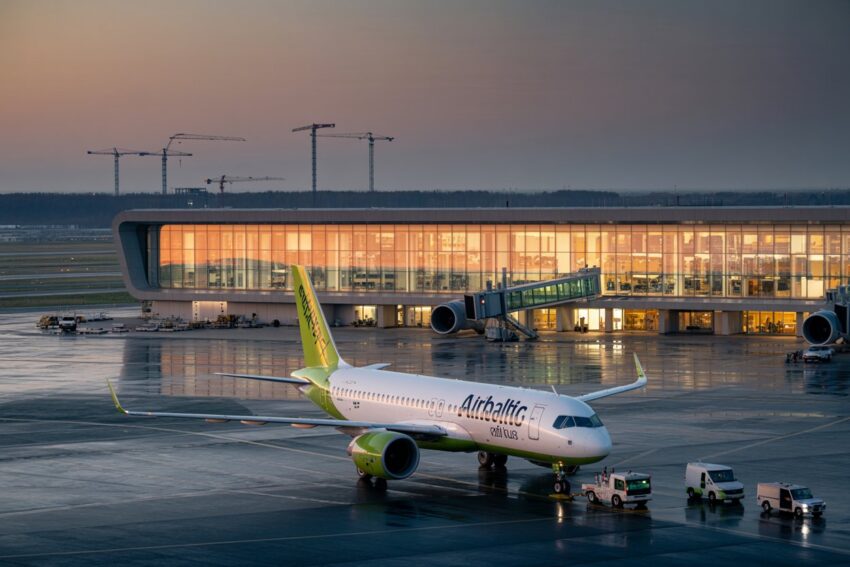
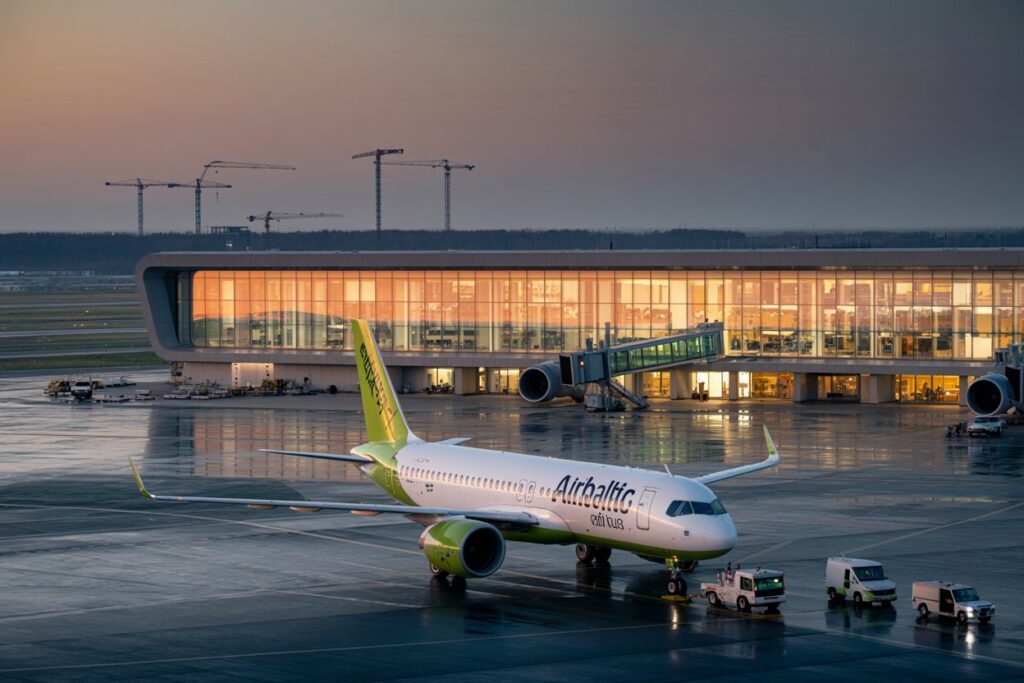
Image generated with Ai
In the shifting landscape of Northern European aviation, Riga International Airport (RIX) has long been the steady pulse of the Baltic states. However, as the world moves further into 2026, the “standard” way of doing business is no longer enough. On March 24, 2026, the Latvian Cabinet of Ministers took a decisive step to ensure their capital remains the region’s premier flight hub by approving a comprehensive new Airline Incentive Programme.
This isn’t just a technical update to airport charges; it is a strategic lifeline designed to attract new carriers, lower the risks for existing partners, and ultimately, make the world a little smaller for the people of Latvia.
Adapting to a New Geopolitical Reality
The aviation sector in the Baltics has faced a unique set of challenges over the last few years. While much of Europe has seen a total rebound to 2019 passenger levels, Riga has had to navigate significant disruptions in transit and transfer traffic due to regional geopolitical tensions.
“The enhanced incentive programme is essential for Riga Airport to adapt to the new realities of the industry,” noted Laila Odiņa, Chairperson of the Board of Riga Airport.
While transit numbers have been under pressure, the “point-to-point” segment—travelers flying directly to or from Riga—has been a shining light, exceeding 2019 levels by 11% in March 2026 alone. The new programme is designed to lean into this strength, turning Riga from a transit-dependent stop into a powerful destination hub.
Two Pillars of Support: New Routes and Growth
Starting April 1, 2026, the new scheme replaces older frameworks with a more flexible, market-responsive approach. It is built on two primary pillars:
Advertisement
Advertisement
- New Destination Discounts: Launching a brand-new flight path is a massive commercial gamble for any airline.To mitigate this risk, Riga Airport will offer significant discounts on airport charges for airlines that introduce routes not currently served from the capital. This provides a “financial cushion” during the critical first two years when a route is still finding its audience.
- Passenger Growth Incentives: For airlines that are already established in Riga, the programme offers rewards for scaling up. If an airline increases its total passenger volume compared to a baseline period, they unlock tiered incentives. This encourages carriers like airBaltic, Ryanair, and Lufthansa to use larger aircraft or add more weekly frequencies to popular cities.
Strengthening the National Carrier
The timing of this incentive programme aligns perfectly with the broader evolution of airBaltic, Latvia’s national airline. With a planned IPO (Initial Public Offering) on the horizon for late 2026, the airline is currently in a phase of aggressive expansion.
For the Summer 2026 season, airBaltic has already announced:
Advertisement
Advertisement
- Six new routes from the Baltics, including Riga to Kaunas and Oulu.
- Resumption of key destinations like Aberdeen, Belgrade, and Yerevan.
- Increased frequencies on nearly 30 existing routes.
The new airport incentives provide the structural support airBaltic needs to maintain its dominance while keeping ticket prices competitive for Latvian consumers.
Competition and Connectivity
Latvia isn’t acting in a vacuum. Regional competition from airports in Vilnius, Tallinn, and even the Nordic hubs is intensifying. Recently, carriers like Ryanair have voiced concerns over rising costs in the region. By introducing this transparent and fair incentive scheme, the Latvian government is sending a clear message to the global aviation market: Riga is the most cost-competitive and growth-friendly hub in Northern Europe.
The programme was developed in close consultation with the Riga Airport User Committee, ensuring that the needs of low-cost carriers, legacy airlines, and cargo operators are all balanced.
The Human Impact: More than Just Planes
When we talk about “airline incentives,” it can sound like dry corporate policy. But the human impact is profound. For the student in Riga, it means a direct, affordable flight to a university in Finland. For the small business owner, it means easier access to markets in Central Asia and the Middle East. For the tourism sector, it means a steady stream of visitors filling Riga’s historic hotels and cafes.
Furthermore, the airport is evolving into a multimodal mobility hub. With the “Runway 2027” strategy and the integration of the Rail Baltica high-speed rail link, Riga Airport is set to become a place where air, rail, and road travel meet seamlessly.
Looking Toward 2027
The goal is ambitious: to reach 9 million passengers and 48.5 thousand tonnes of cargo per year by 2027. With the new incentive programme serving as the engine for this growth, Riga is well on its way to becoming a “Climate-Neutral” and modern “Airport City.”
As the first flights under the new scheme take off this April, the people of Latvia can look to the skies with a bit more optimism, knowing their connection to the world is stronger than ever.
Advertisement
Advertisement
