
Published on
March 26, 2026
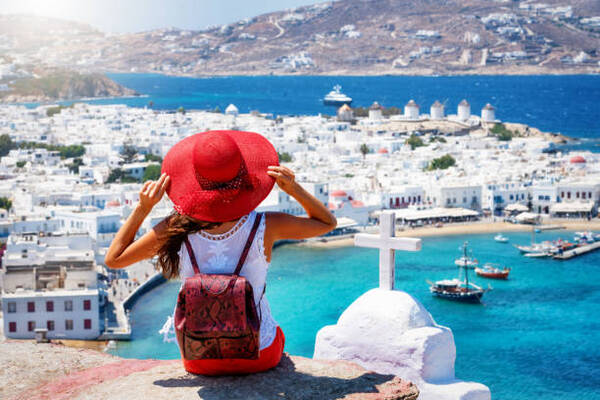
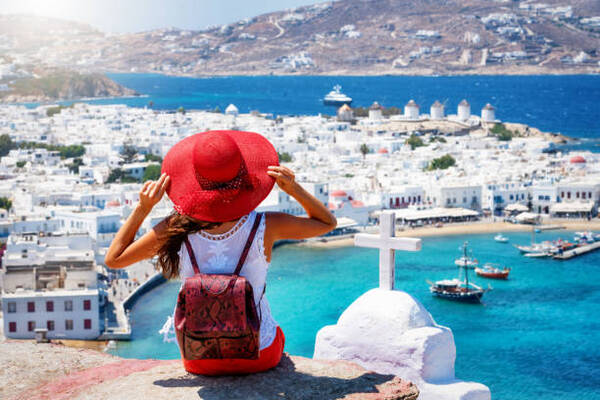
Image generated with Ai
As tourism continues to surge across Europe, Portugal has joined a growing list of destinations where visitor numbers now exceed the local population. Cities like Reykjavik (Iceland), Dubrovnik (Croatia), Venice (Italy), Geneva, (Switzerland) and More have already been grappling with this shift, where the influx of tourists significantly impacts daily life and the local economy. The increasing popularity of these cities can be attributed to their rich cultural heritage, unique landscapes, and iconic landmarks. While tourism boosts economies, it also raises concerns about overcrowding, environmental strain, and the preservation of local traditions, prompting the need for a more sustainable approach to managing these hotspots.
As the warm summer months draw near, many are beginning to finalize their travel plans. For those residing in the UK, the ease of accessing some of Europe’s most remarkable destinations offers a perfect opportunity for a quick getaway. From historic cities to stunning coastal retreats, the continent boasts a wealth of places just a short flight away. However, as these destinations rise in popularity, many are grappling with an influx of tourists, often outnumbering the local population in these once serene spots.
A new report by DiscoverCars.com sheds light on this growing phenomenon by ranking European cities based on their ratio of international tourists to local residents. In some cities, tourists now vastly outnumber those who actually call the place home, and this trend is becoming more common in many iconic destinations.
Leading the list of cities with the most international visitors compared to their resident population is Dubrovnik, Croatia. This picturesque city, renowned for its well-preserved medieval walls and historic architecture, has long been a favorite among travelers. Its fame skyrocketed after being featured as the setting for King’s Landing in the HBO series Game of Thrones.
In 2025, Dubrovnik welcomed 6.5 million visitors, a staggering number when compared to its mere 40,000 residents. This creates a ratio of 16,250 tourists for every 100 locals—an extraordinary statistic that illustrates just how heavily this destination relies on the tourism industry.
Next on the list is Reykjavik, Iceland, which has also experienced an influx of tourists in recent years. In 2025, Reykjavik saw 7.4 million visitors, vastly outnumbering its 140,000 local residents. The city’s popularity has been driven in part by the geothermal Blue Lagoon baths, as well as the chance to witness the awe-inspiring Northern Lights. For every 100 locals, there were 5,286 international tourists, making Reykjavik the second most tourist-dense city on the list.
Advertisement
Advertisement
Venice, Italy, takes the third spot with 10.6 million international visitors. The city’s iconic canals, ancient architecture, and rich cultural history continue to draw millions of tourists each year. However, this influx of travelers comes at a cost: the local population has dwindled to just around 250,000, resulting in a tourist-to-resident ratio of 4,240 for every 100 locals. Venice’s unique appeal of gondola rides through its canals and its magnificent Piazza San Marco make it an unforgettable destination for many, but the overcrowding has sparked concerns among locals and conservationists alike.
Switzerland’s Geneva ranks fourth on the list, attracting 7.8 million visitors in 2025. With a local population of 200,000, the number of tourists per 100 residents reaches 3,900. Geneva, known for its breathtaking views of the Swiss Alps and its position as a hub for international diplomacy, has become a popular base for travelers looking to explore the surrounding mountain ranges and charming villages. Its iconic Jet d’Eau fountain and the nearby lakeside promenade also draw thousands of visitors annually.
Rounding out the top five is Porto in Portugal, which attracted 7 million international tourists in 2025. Despite having a similar population to Geneva—around 250,000—the city saw 2,800 tourists for every 100 locals. Porto is famed for its historic center, which is a UNESCO World Heritage site, as well as its picturesque riverside district. The city’s narrow streets are lined with beautiful old buildings adorned with the traditional blue-and-white Portuguese tiles, while the famous port wine cellars and local markets continue to lure visitors.
These five cities are part of a growing trend where tourism increasingly overshadows the local population, often leading to challenges in maintaining the cultural and historical integrity of these iconic locations. For some cities, this imbalance between locals and tourists is becoming unsustainable, with the local environment and day-to-day life affected by the constant influx of visitors.
Other notable cities on the list with high tourist-to-resident ratios include Phuket (Thailand), Florence (Italy), Lisbon (Portugal), Edinburgh (United Kingdom), and Athens (Greece). Each of these destinations has its own unique appeal, but the sheer volume of visitors is beginning to raise concerns about their long-term sustainability.
Phuket, a popular tropical island destination in Thailand, continues to attract millions of tourists to its pristine beaches and vibrant nightlife. Florence, known for its Renaissance art and architecture, is a magnet for art enthusiasts from all over the world. Lisbon, with its charming historic neighborhoods and coastal beauty, has become a trendy hotspot for travelers. Meanwhile, the Scottish capital, Edinburgh, draws visitors with its historic castle, festivals, and stunning landscapes, while Athens continues to be the epicenter of ancient Greek culture and history, with iconic landmarks like the Acropolis.
As these cities continue to grow in popularity, it becomes increasingly important for local governments, tourism boards, and stakeholders to find a balance between tourism and sustainability. In many cases, this means implementing measures to reduce the environmental impact, protect cultural landmarks, and ensure that local communities do not suffer from the overcrowding that often accompanies mass tourism. While the economic benefits of tourism are undeniable, maintaining the essence of these iconic destinations for future generations is equally crucial.
With the summer season just around the corner, travelers will need to be mindful of these changes and consider how their visits might impact the places they are visiting. It’s important to strike a balance between exploring the world’s most beautiful destinations and preserving them for those who will come after us.
Advertisement
Advertisement
