
Published on
March 26, 2026
By: Tuhin Sarkar
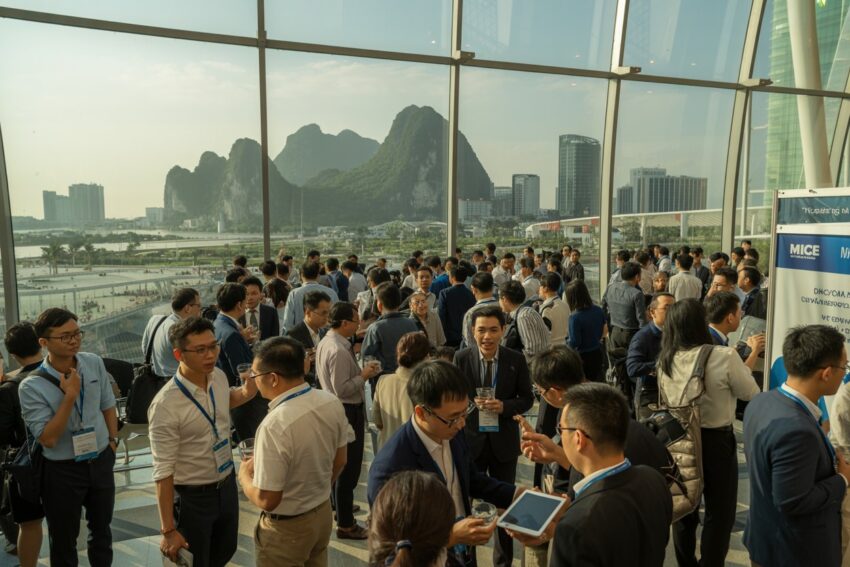
Image generated with Ai
Denmark sets to join Germany, Austria, Switzerland, France and more countries at MCE North & West Europe from April 12–14, 2026 at Copenhagen signals a powerful shift. Moreover, Denmark joins Germany, Austria, Switzerland, France again as Copenhagen becomes a global MICE engine. Consequently, high-value buyers and suppliers converge fast. Therefore, deals accelerate and partnerships deepen. Meanwhile, Travel And Tour World urges readers to read the entire story as Denmark set to join Germany, Austria, Switzerland, France and more countries drives strong business demand. Furthermore, Copenhagen gains strategic advantage. As a result, Europe’s event industry intensifies rapidly.
MCE North & West Europe 2026 in Copenhagen is a high-impact, boutique MICE forum. It connects over 70 qualified buyers with top European suppliers through pre-scheduled meetings, driving fast business deals, stronger partnerships, and efficient event planning outcomes across the region.
Denmark sets to join Germany, Austria, Switzerland, France and more countries at MCE North & West Europe from April 12–14, 2026 at Copenhagen as high-stakes MICE deals surge. Denmark joins Germany, Austria, Switzerland, France again, driving urgent global event momentum.
What is MCE North & West Europe 2026 and why is it significant?
MCE North & West Europe 2026 is a specialised B2B meetings forum. It is designed for the MICE industry. It focuses on quality interactions. It avoids large exhibition chaos. It prioritises curated networking. The event takes place in Copenhagen. It runs from April 12 to 14. It is organised by Europe Congress. It targets North and West European markets. It creates a controlled business environment. It ensures meaningful engagement. It reduces wasted time. It enhances deal-making efficiency. It stands out from traditional expos. It focuses on results. It delivers high-value interactions.
This event is significant because it filters participants. It selects decision-makers only. It ensures buyers have real budgets. It ensures suppliers meet relevant clients. It builds trust quickly. It reduces long sales cycles. It creates immediate opportunities. It boosts regional tourism business. It strengthens destination visibility. It helps cities compete globally. It positions Copenhagen as a MICE hub. It also reflects changing industry trends. It shows a shift toward precision networking. It highlights demand for measurable ROI. It confirms that quality beats quantity in modern events.
Who are the attendees and what makes them valuable?
The attendees are carefully selected. They include over 70 hosted buyers. These buyers are verified professionals. They come with real purchasing power. They represent agencies, corporates, and associations. Around 65 percent are agencies. About 25 percent are corporate planners. The remaining are associations. They handle global events. They control large budgets. They influence venue decisions. They shape destination demand. They are not casual visitors. They are strategic stakeholders.
Advertisement
Advertisement
The suppliers are equally important. They include hotels, convention bureaus, and DMCs. They represent destinations across Europe. They showcase infrastructure and services. They offer tailored solutions. They compete for business opportunities. The attendee mix is balanced. It ensures productive interactions. It avoids overcrowding. It increases engagement quality. It improves meeting outcomes. It creates a focused marketplace. It enables direct negotiations. It reduces intermediaries. This structure makes the event highly valuable. It ensures every participant has a clear objective. It maximises return on time and investment.
How does the pre-scheduled meeting format drive results?
The event uses a structured meeting system. Each participant gets around 28 meetings. These meetings are pre-arranged. They are based on preferences. They are aligned with business needs. This eliminates randomness. It removes guesswork. It saves time. It ensures relevance. Each meeting has a clear agenda. It focuses on specific opportunities. It encourages direct discussions. It enables quick decisions.
Advertisement
Advertisement
This format drives strong results. It increases efficiency. It improves conversion rates. It reduces follow-up delays. It allows deeper engagement. It creates meaningful conversations. It builds trust faster. It enhances relationship building. It ensures suppliers meet the right buyers. It ensures buyers find suitable partners. It avoids unnecessary pitches. It reduces fatigue. It keeps participants focused. It delivers measurable outcomes. It transforms networking into deal-making. It creates a high-performance environment. It sets a benchmark for modern MICE events.
What role does Copenhagen play as the host destination?
Copenhagen plays a strategic role. It is not just a venue. It is part of the experience. The city showcases its infrastructure. It highlights sustainability leadership. It presents modern venues. It demonstrates accessibility. It offers strong connectivity. It provides cultural richness. It creates a memorable environment. It enhances the event’s appeal. It supports business discussions.
The destination programme adds value. It includes city tours. It includes local experiences. It includes networking activities. These elements create emotional connections. They strengthen destination branding. They influence buyer decisions. They help suppliers promote offerings. Copenhagen benefits from global exposure. It positions itself as a top MICE destination. It attracts future events. It builds long-term interest. It showcases innovation. It highlights hospitality excellence. It proves its capability to host international events. It reinforces its reputation in the global tourism industry.
What does the programme schedule reveal about event efficiency?
The programme is tightly structured. It spans 2.5 days. The first day focuses on arrivals. It includes registration. It offers optional city experiences. It sets the tone for networking. The second day is the core business phase. It features intensive meetings. It includes networking lunches. It includes evening events. It maximises engagement. The third day concludes meetings. It includes wrap-up sessions. It ensures closure.
This schedule reflects efficiency. It avoids unnecessary sessions. It prioritises business outcomes. It balances work and networking. It maintains energy levels. It ensures productivity. It avoids long idle periods. It keeps participants engaged. It delivers maximum value in limited time. It suits busy professionals. It supports quick decision-making. It enables immediate follow-ups. It creates a seamless experience. It demonstrates strong planning. It highlights operational excellence. It ensures the event remains focused and impactful.
Why is the boutique format reshaping the MICE industry?
The boutique format is changing industry dynamics. It replaces large exhibitions. It removes crowd-based networking. It focuses on precision. It values quality interactions. It prioritises relevance. It ensures targeted engagement. It reduces noise. It improves communication. It enhances efficiency. It aligns with modern expectations.
This format is reshaping strategies. Companies seek better ROI. They prefer fewer but stronger connections. They want measurable outcomes. They demand time efficiency. Boutique events deliver this. They offer controlled environments. They provide curated audiences. They enable faster deal cycles. They reduce marketing waste. They improve satisfaction levels. They create deeper partnerships. They reflect industry evolution. They signal a shift toward smarter events. They highlight the future of business networking. They show that smaller can be more powerful.
How does MCE North & West Europe impact tourism and business growth?
The event drives tourism growth. It promotes destinations. It connects buyers with suppliers. It influences event planning decisions. It increases bookings. It boosts hotel demand. It supports local economies. It generates long-term business. It enhances regional visibility. It strengthens international partnerships.
It also impacts business growth. It accelerates deal-making. It shortens sales cycles. It improves lead quality. It increases conversion rates. It builds strong networks. It enhances brand exposure. It supports innovation. It encourages collaboration. It drives industry development. It creates new opportunities. It supports SMEs and large companies. It strengthens the European MICE ecosystem. It ensures continuous growth. It reinforces the importance of strategic events. It demonstrates how focused platforms can drive global impact.
MCE North & West Europe 2026 in Copenhagen is not just another industry event. It is a precision-driven business platform. It connects the right people. It creates meaningful opportunities. It eliminates inefficiencies. It delivers real results. It reflects the future of the MICE industry. It proves that curated networking works better than mass gatherings.
The event’s structured meetings, high-quality attendees, and efficient programme make it a powerful tool for business growth. Copenhagen enhances this experience by offering a strong destination showcase. The boutique format ensures every interaction matters. It increases value for participants. It strengthens partnerships. It drives tourism and corporate engagement.
As the industry evolves, events like MCE set new standards. They prioritise outcomes. They focus on quality. They deliver measurable success. They redefine how business connections are made. This is not just a trend. It is a transformation. And Copenhagen stands at the centre of it.
Denmark set to join Germany, Austria, Switzerland, France and more countries at MCE North & West Europe from April 12–14, 2026 at Copenhagen ultimately reflects a decisive transformation in how the global MICE industry operates. The cause behind this surge is clear. The industry now demands precision, speed, and measurable results. Traditional exhibitions are losing dominance. In their place, curated forums like MCE are rising fast. Denmark joins Germany, Austria, Switzerland, France and more countries because decision-makers want direct access, faster deal closures, and stronger ROI.
The answer lies in the event’s structure. MCE North & West Europe offers pre-scheduled meetings, verified buyers, and highly targeted supplier interactions. This ensures that every conversation has purpose. It eliminates inefficiencies. It accelerates negotiations. It allows destinations like Copenhagen to showcase their strengths in real time. Denmark set to join Germany, Austria, Switzerland, France and more countries at MCE North & West Europe from April 12–14, 2026 at Copenhagen therefore becomes more than participation. It becomes strategic positioning. It places Denmark at the centre of high-value business exchange.
The reason this matters globally is significant. As Denmark joins Germany, Austria, Switzerland, France and more countries again, the ripple effect expands across tourism, hospitality, and corporate event planning sectors. New partnerships emerge. Future events get confirmed. Revenue pipelines strengthen. Copenhagen benefits from increased visibility and long-term bookings. Europe’s MICE ecosystem becomes more competitive and more efficient.
In conclusion, Denmark set to join Germany, Austria, Switzerland, France and more countries at MCE North & West Europe from April 12–14, 2026 at Copenhagen is not just an event update. It is a clear signal of industry evolution. It shows where business travel is heading. It proves that focused, high-impact platforms are now leading global event strategies.
Advertisement
Advertisement
