
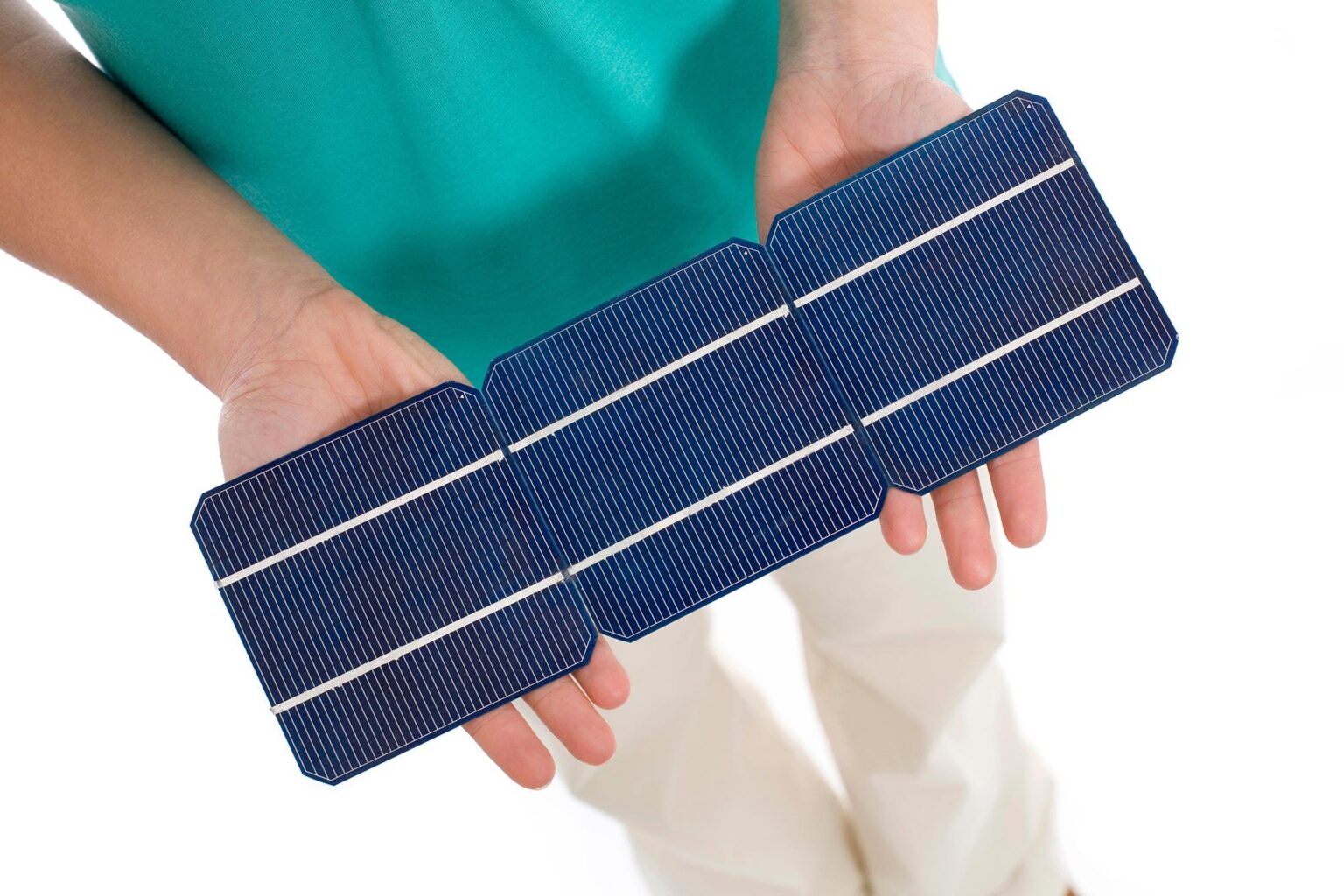
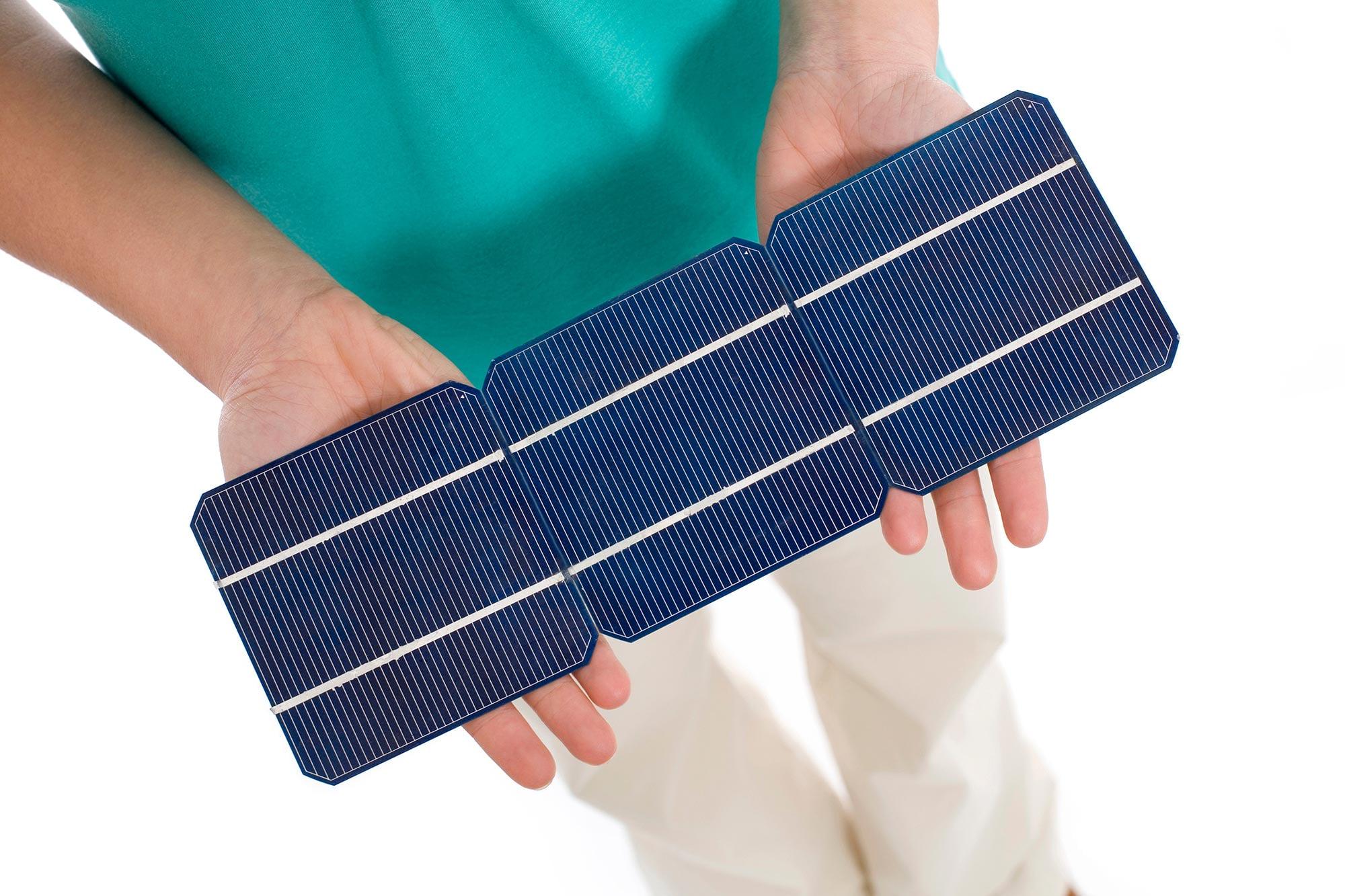
Worth adding a little context on the “130% efficiency” claim: this doesn’t mean the solar cell produces more energy than it receives (that would violate thermodynamics, duh). The 130% refers to exciton yield (the number of energy carriers generated per photon)
https://scitechdaily.com/scientists-just-broke-the-solar-power-limit-everyone-thought-was-absolute/
7 Comments
Singlet fission has been a “dream technology” in solar research for years;the idea that you can split one photon into two energy carriers and effectively get more out of sunlight than traditional cells allow. This paper is a solid proof of concept!
the OP’s context is important and i wish more headlines included it. “130% efficiency” without the exciton yield qualifier is basically engineered to go viral and mislead
the real question with singlet fission is whether you can capture both excitons before one recombines. thats been the bottleneck for like a decade — you generate the extra carrier but it thermalizes before you can extract useful work from it. if this team actually solved the extraction problem thats genuinely massive, but the article probably buries that detail under hype
also worth noting this doesn’t help with the actual deployment bottleneck. solar panels are already cheap enough that the limiting factor is grid interconnection queues and permitting, not cell efficiency. you could have 50% efficient panels tomorrow and it wouldn’t matter if it takes 4 years to connect to the grid. the boring infrastructure stuff is what actually determines how fast renewables scale
Couple this with today’s panels expecting to last 50 years, and the world expecting to install 5+ TERRAWATTS by 2030, large scale sodium ion battery storage coming online… the green transition is in full swing and there’s no stopping it. Only fossil fools will try
Should I go ahead and add this to the list of amazing breakthroughs in photovoltaic technology that are hyped and we never hear about again?
Now if we can just put off all the war mongering long enough to realize the boon for mankind.
My question would be how this is normally displayed. Does this mean that the number that we normally see solar panels rated a percent of is now different, or no?
What it looks like is that someone has found a way to get past a roughly 33% conversion limit. Out of the sunlight received by solar panel, only 1/3rd can be used. Lower frequencies (e.g. IR) aren’t energetic enough. And some of the energy from higher frequencies is lost as heat.
They’ve found a technique that can increase the amount of energy (from higher frequency Light) that can be converted into electricity.
In real world terms, this means we might eventually see solar panels with >33% efficiency. Maybe 40 – 50%?