
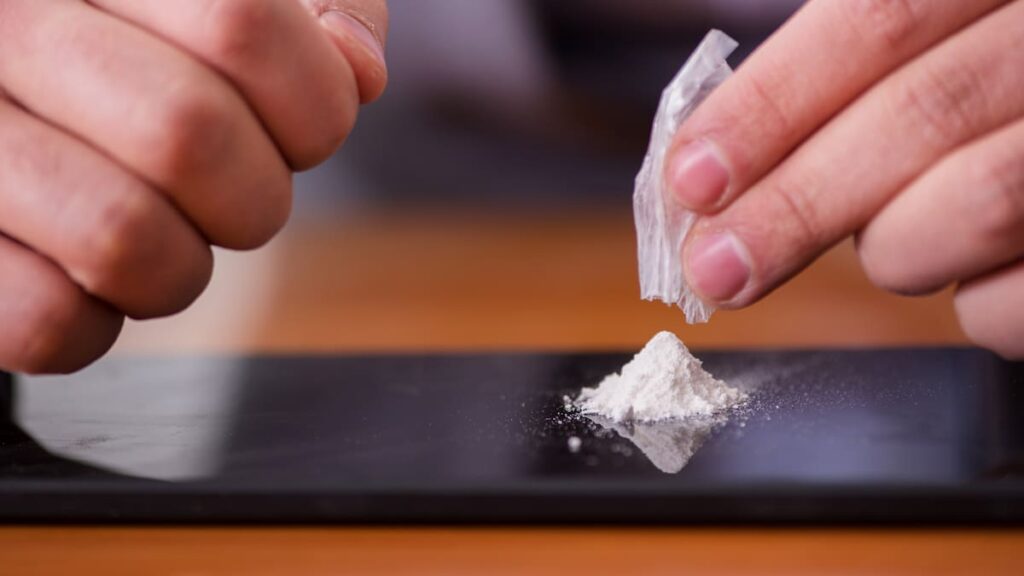
New wastewater testing data shows cocaine consumption in New Zealand surged to an all-time high in the final quarter of last year,
and methamphetamine usage was about 8% higher than the previous four quarters.
Drug Foundation executive director Sarah Helm says cocaine consumption has been increasing since mid-2022.
“The dramatic increases in methamphetamine and cocaine consumption over the last two years are unprecedented,” Helm says.
“Consumption is at record levels, drug use is diversifying, prices are down, harm is increasing, and new potent drugs are arriving. Every indicator is screaming at us to change our approach.”
Helm wants to see “vastly” increased spending on treatment and harm reduction, as well as changing drug laws to prioritise providing support for users above criminal penalties.
The testing data showed cocaine use was highest in the Bay of Plenty last quarter, while Northland was the worst for meth and the Southern district had the highest MDMA consumption.
This data comes a month after the release of Massey University’s latest annual drug use study, which showed similar trends.
It anonymously surveys more than 8800 people “with recent experience and knowledge of drug use and drug markets across the country”.
Results found “substantial decreases” in the price of meth, dropping from $563 a gram in 2017 to $334 a gram in 2025. When inflation is factored in, that decrease represents a 55% drop in pricing.
Meth users are consuming the drug more frequently than in the past, the survey found.
High frequency users, defined as using the drug weekly or more, increased from 27% in 2018 to 57% in 2025.
Professor Chris Wilkins, of the NZ Drugs Research Team at Massey University’s SHORE and Whariki Research Centre, says users increasingly reported the reason they were using more meth was “it costs less”.
He attributed growing consumption and lower prices to a “massive increase” in meth supply to New Zealand, including that coming from Mexican cartels.
The survey also looked at cocaine use, which is dwarfed by meth, but continues to grow in availability and popularity.
The average price of a gram of cocaine was $360, the survey found.
New Zealand is an attractive market for drug traffickers as it, along with Australia, pays some of the highest prices in the world.
Kiwis seemingly have a taste for illicit substances, and we’re willing to pay for it. And that, of course, is attractive to international drug syndicates.
NZME reported in January that cocaine seizures at the Port of Tauranga – New Zealand’s biggest port – last year were more than double those of 2024.
NZ Customs investigation manager Dominic Adams said transnational and organised crime groups were escalating their efforts to smuggle larger amounts of drugs through our sea borders.
Adams said drug cartels in Mexico and Central and South America were predominantly responsible for cocaine and meth imported into New Zealand.
That should concern all of us. The last thing we want is major international criminal networks gaining a bigger foothold in our country.
Furthermore, prolonged use of drugs like meth negatively impacts a user’s health and wellbeing, and that negative use often causes social harm and crime.
Illegal drugs harm society at a macro and micro level.
Meth and cocaine use are up. Prices are coming down. And that’s bad news for us all, even the cleanest and soberest among us.
So, what are we going to do about it?
As Helm said, every indicator is screaming at us to change our approach. If what we’re doing was working, these trends would be heading in a different direction.
It’s an election year, so now’s the time for new ideas.
Drug-related harm – much like skyrocketing petrol prices – must be brought under control for the good of us all.