
Published on
March 28, 2026
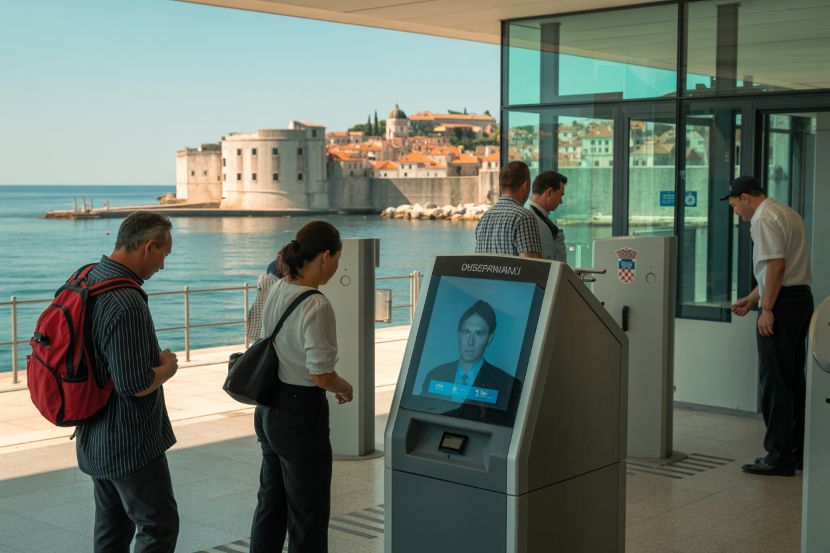
Image generated with Ai
The UK Foreign Office has issued a fresh travel warning for Brits heading to Croatia in 2026, highlighting new border rules, increased fines, and stricter enforcement of local regulations. With the EU’s new Entry/Exit System (EES) being implemented in Croatia, travelers are advised to prepare for longer border checks and make sure they have the correct documentation. The new system, along with rising fines for offenses, will make travel to the Adriatic country more regulated than ever before, particularly for tourists during the busy summer months.
As Croatia continues to attract holidaymakers and business travelers, the updated travel advice stresses the importance of being well-prepared for these new requirements. With EES requiring biometric data, such as fingerprints and facial images, to be captured at the border, UK visitors will need to be ready for a more detailed entry process. Additionally, the local authorities in Croatia have been cracking down on public conduct in historic areas, with on-the-spot fines becoming a regular part of tourism management in popular cities like Dubrovnik, Split, and Hvar.
Stricter Border Controls and Biometric Checks Under the EES
The Entry/Exit System (EES), fully implemented by April 2026, will automate the enforcement of the 90-days-in-180 rule for non-EU nationals, including UK travelers. This means that visitors from the UK must ensure they are aware of their travel dates within the Schengen zone. The new system will also monitor biometric data through automated fingerprint and facial recognition scans, replacing the traditional passport stamp. This shift will make border procedures more streamlined but may also lead to longer waits for travelers as the system becomes fully operational.
Travelers are advised to calculate their days carefully, as overstaying the 90-day limit could lead to penalties, including fines or entry bans. The introduction of EES is expected to speed up the process in the long run, but during the initial phase, especially during busy periods like Easter and summer, it could result in delays at land crossings and airports, such as those in Split or Zagreb.
Advertisement
Advertisement
New Fines and Local Enforcement for Public Behavior
Alongside the biometric border checks, the UK government has updated its advice on local regulations in Croatia, which have been tightened in popular tourist areas. Cities like Split, Dubrovnik, and Hvar are seeing increased enforcement of public-order laws, particularly around public drinking, dress codes, and noise levels. Visitors failing to follow these rules could face substantial fines, with some reaching up to several hundred euros, depending on the offense.
One of the most common violations involves drinking alcohol in areas where it is prohibited, which is frequently enforced in Croatia’s historic town centers and near religious sites. Fines for this type of behavior are often levied immediately, with authorities sometimes escorting offenders to nearby cashpoints to pay the fine on the spot. UK travelers are strongly advised to be aware of these rules and avoid any conduct that could be seen as disrespectful or disruptive.
Advertisement
Advertisement
Practical Travel Tips for UK Visitors to Croatia in 2026
For business travelers and holidaymakers planning a trip to Croatia, here are some practical tips to navigate the new rules and avoid unexpected issues:
- Check Passport Validity: Ensure that your passport is valid for at least three months beyond your intended departure date from Croatia.
- Prepare for Biometric Checks: Be ready for fingerprint scans and facial recognition at Schengen border crossings. Ensure your travel documents are easily accessible.
- Be Aware of Local Rules: Familiarize yourself with local regulations regarding alcohol consumption, dress codes, and noise levels in tourist areas like Dubrovnik and Split.
- Book Your Accommodation and Travel in Advance: Given the heightened checks and potential delays, ensure that you have all the necessary documents for your stay, including proof of accommodation and onward travel.
- Budget for Possible Fines: Have some cash on hand for fines, especially if you plan to explore areas with stricter enforcement, such as the historic centers in Hvar or Zadar.
The Economic Impact of Stricter Travel Rules and Rising Fines
The increase in enforcement and higher fines for non-compliance with local regulations will likely lead to a more regulated tourism experience in Croatia, which could deter some visitors from engaging in risky behaviors. However, tourism remains a significant contributor to the Croatian economy, and while the stricter rules may cause initial inconvenience, they are expected to result in more respectful behavior among tourists.
Advertisement
Advertisement
For business travelers, the changes could lead to higher costs associated with fines and administrative delays. However, Croatia continues to be an attractive destination for those conducting business in Europe, given its proximity to key markets and its robust tourism infrastructure.
Key Points to Know About Croatia’s 2026 Travel Update
- EES biometric checks will be fully implemented by April 2026 at all Schengen border crossings.
- Fines for public-order offenses are likely to increase, particularly in tourist-heavy areas like Split, Dubrovnik, and Hvar.
- UK visitors are urged to ensure they have all necessary documentation, including proof of accommodation and onward travel.
- Travelers should be mindful of the 90-day rule for stays in the Schengen zone and carefully track their travel days.
- Local regulations on alcohol, dress codes, and behavior in historic centers will be more strictly enforced.
Conclusion: Preparing for a Smooth Visit to Croatia
With Croatia’s tourism regulations becoming stricter in 2026, UK visitors should stay informed about the new entry rules and local ordinances. By preparing for biometric checks, staying aware of public behavior laws, and ensuring all travel documentation is in order, travelers can enjoy a smooth and hassle-free visit to this stunning Adriatic destination. Whether for business or pleasure, Croatia remains a top European destination that promises rich culture, beautiful landscapes, and welcoming hospitality.
Advertisement
Advertisement
