
Published on
March 29, 2026
Image generated with Ai
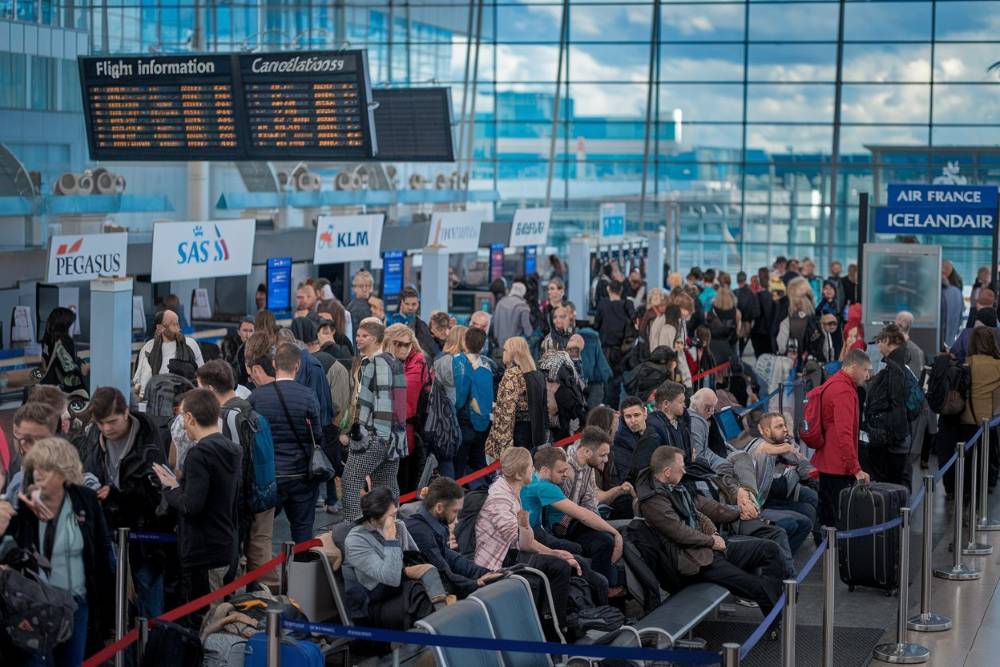
Thousands of travelers have been grounded across Europe, particularly in the Netherlands, France, and Spain, as airlines like Pegasus, SAS, KLM, Air France, Icelandair, and others face widespread disruptions. With 85 flights canceled and nearly 1,933 delayed, airports in major cities like Amsterdam, Paris, Brussels and Barcelona are struggling to manage the surge of stranded passengers. As the chaos continues to unfold, travelers are left grappling with the uncertainty of when they will be able to reach their destinations. These delays and cancellations are disrupting travel plans for many, with long waits at check-in counters and flight gates.
As the situation worsens, passengers are advised to stay updated on their flight statuses and explore alternative travel options. Airlines and airports are working to address the issue, but the road to recovery remains challenging. Patience and flexibility are key for those affected.
Airlines and Airports Affected by Disruptions
Recent reports indicate that several airlines have been severely impacted, with notable disruptions recorded across multiple airports. Airlines such as Pegasus Airlines, SAS, KLM, Air France, and Icelandair have seen a high number of cancellations and delays, causing inconvenience to passengers traveling across Europe.
- Pegasus Airlines, based in Turkey, has experienced a major disruption, with significant delays across its European routes.
- SAS (Scandinavian Airlines), operating across Scandinavian countries, also faced substantial delays and cancellations, affecting many routes to and from the United States.
- KLM, the Netherlands’ flagship carrier, was among the top airlines affected, with Amsterdam Schiphol seeing extensive delays.
- Air France and Icelandair were also hit hard, with long delays in key airports, impacting travelers from various regions, including the US.
Airports and Cities Struggling with Operational Disruptions
The main airports affected by these disruptions include some of Europe’s busiest hubs, with airports like Amsterdam Schiphol (AMS), Frankfurt International (FRA), and Charles de Gaulle (CDG) leading the list.
Advertisement
Advertisement
- Amsterdam Schiphol saw widespread delays, impacting numerous international and domestic flights. The airport’s tight operations during peak hours were unable to cope with the surge in delays, creating major challenges for both travelers and airport staff.
- Frankfurt International, Germany’s largest airport, also struggled with similar disruptions, making it difficult for passengers to reach their destinations. Long waits and terminal overcrowding were common experiences for many.
- Charles de Gaulle in Paris faced even more severe disruptions, with a significant number of flights canceled and delayed, further worsening the situation for international travelers, including those heading to and from the United States.
Impact on US Passengers Traveling to Europe
US travelers heading to major European destinations have been notably affected by these disruptions. Airports in the US, such as New York’s John F. Kennedy and Chicago O’Hare, were directly impacted by the ripple effects from delays and cancellations in Europe. With multiple US cities connected to these European hubs, thousands of passengers had their travel plans altered, leading to missed connections and rescheduled flights.
Analysis of Affected Airlines, Airports, and Cities
The disruptions in Europe are a result of a combination of factors, including operational issues at airports and severe weather in certain regions. The high number of cancellations and delays—such as those seen at Keflavik International (KEF) in Iceland, Nice Cote d’Azur (NCE) in France, and London Heathrow (LHR)—have put tremendous pressure on air traffic management and airport facilities. This has affected key transit points between Europe and the United States, leaving many passengers stranded or rerouted.
Advertisement
Advertisement
US-bound passengers flying on Vueling Airlines, Tunisair, and Iberia, for example, had to contend with delayed flights as European airports struggled with congestion. These disruptions not only affected travelers heading to major cities like Paris, London, Zurich, and Frankfurt, but also cities such as Barcelona and Berlin, causing further delays for American tourists and business travelers.
What Affected Passengers Can Do Now
For those affected by these disruptions, there are several steps that can be taken to minimize the impact:
- Check for Alternative Flights: Passengers should reach out to their airlines to inquire about alternative flights. Many airlines will provide rerouting options for passengers who are unable to make their originally scheduled flights.
- Stay Updated with Airline Alerts: Airlines often send text alerts, emails, or push notifications about the status of their flights. It’s crucial for passengers to stay connected and updated on real-time changes.
- Know Your Rights: In cases of major delays or cancellations, passengers may be entitled to compensation or assistance, such as meal vouchers or hotel stays. US travelers should check the European Union’s regulations or contact their airline’s customer service for guidance on compensation.
- Plan for Extended Delays: Given the high volume of cancellations and delays, travelers should plan for potential overnight stays, particularly at congested airports like London Heathrow or Frankfurt.
Final Thoughts on European Travel Disruptions
The ongoing disruptions across Europe’s major airports and airlines are a stark reminder of how quickly travel can be impacted by operational challenges. Passengers, especially those traveling from the United States, are advised to plan for uncertainty and remain in close communication with their airlines to navigate these disruptions. While the situation remains fluid, travelers should expect potential delays and cancellations for the foreseeable future.
Whether you’re heading to Amsterdam, Paris, Frankfurt, or London, it’s crucial to stay informed, flexible, and patient as the travel industry continues to adjust to these disruptions.
Source: FlightAware
Advertisement
Advertisement
