
Two island nations are likely the safest places to live during nuclear winter -Credit:Getty
(Getty)
Since the invention of nuclear weapons, experts have been exploring possible scenarios around the use of the bombs. Often asked questions include which places would adversaries target first, and which regions would be the safest?
Professor Alex Wellerstein, a nuclear historian at Stevens Institute of Technology and developer of the widely utilized NUKEMAP weapons effects simulator, stated that understanding which places would be vulnerable depends on who the attacker is.
“If the adversary is Russia and their goal is to disable US retaliation, command centres and ICBM sites will be hit first,” Professor Wellerstein told Daily Mail. “If the attacker is a rogue actor, symbolic or densely populated areas might be targeted instead.”
• 11 times nuclear apocalypse could have broken out (and what stopped it)
• Expert on two immediate emergency survival tactics in case of a nuclear attack
According to his analysis, Great Falls, Montana, home to just over 60,000 people, ranks among the most vulnerable locations in the U.S.
On a global scale, even a limited nuclear conflict could lead to a planet-wide climate catastrophe, called nuclear winter, which can trigger a collapse of sunlight, agriculture, food supply chain, and humanity itself.
“Agriculture would fail, and when agriculture fails, people just die. On top of that, you have the radiation poisoning because the ozone layer will be so damaged and destroyed that you couldn’t be outside in the sunlight—people will be forced to live underground,” Annie Jacobsen, a journalist and author of the book Nuclear War: A Scenario, said in a podcast.
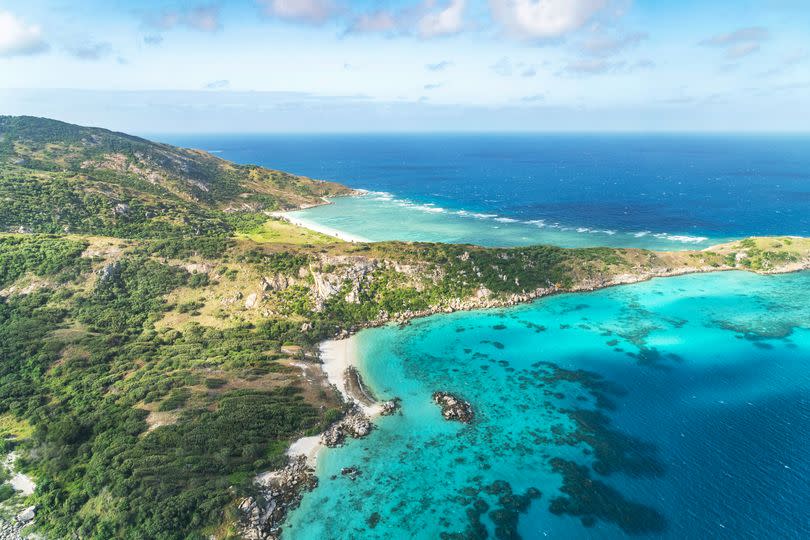
Australia is located in the Southern Hemisphere -Credit:Getty Images
What countries would be the safest during a nuclear winter?
According to a 2022 analysis, two island nations will be the safest places to be if the Earth faces a nuclear winter. These are Australia and New Zealand.
Scientists compared 38 island nations across multiple characteristics, such as location, food production, energy resources, infrastructure, and social resilience.
Both Australia and New Zealand are geographically isolated and in the Southern Hemisphere. Most nuclear targets and soot-producing fires are usually all over the Northern Hemisphere.
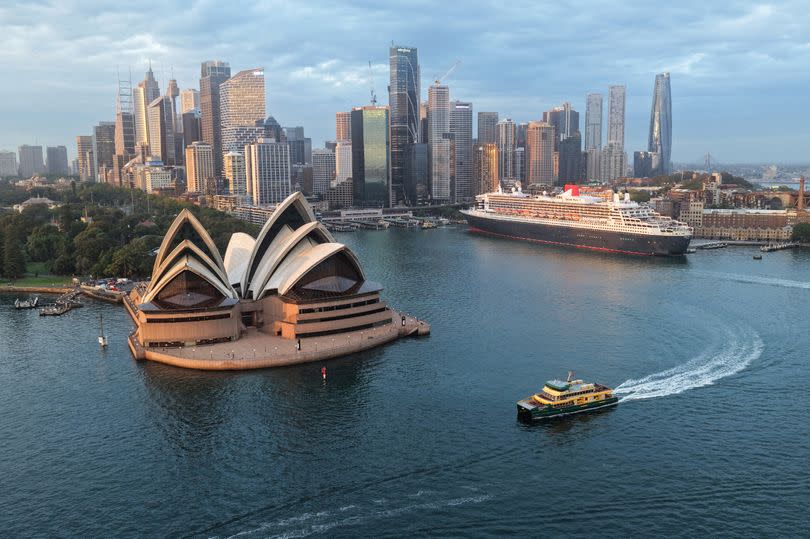
Australia has a very resilient food system -Credit:Getty Images
Australia and New Zealand both have resilient food systems, as well.
The 2022 study reveals that Australia has the “potential to feed many tens of millions of extra people. Good-quality infrastructure, vast energy surplus, the second-highest health security in the world, and triple the defense spending of any other island in our analysis, all suggest that Australia has the potential to thrive.”
New Zealand, on the other hand, has similar benefits: its agricultural sector produces more food than its population requires. Furthermore, between 90% and 95% of its crop, dairy and meat production is exported.
Though a severe nuclear winter might make crop yields decrease, the country would still be able to make sure its population is fed.
However, Australia and New Zealand have aspects that raise concern: they rely on global trade for fuel, fertilizers and machinery, so if global food chains fail, food production itself would be affected. Additionally, social instability could exacerbate struggles.