
Published on
March 30, 2026
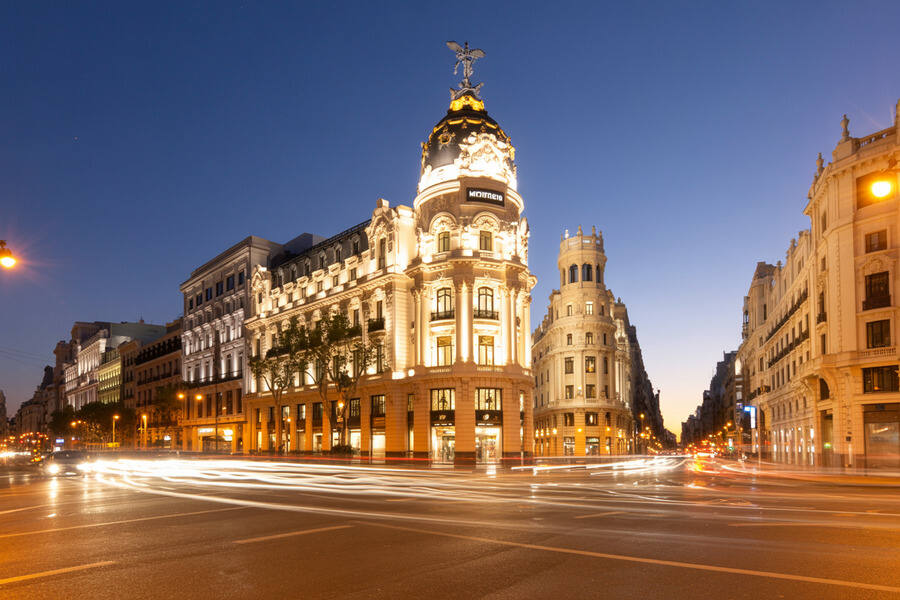
Image generated with Ai
Spain joins with Italy, France, Ireland, Germany, Norway, and several other countries, is making a concerted effort to boost tourism and attract a record number of visitors in 2026, with a projection of a hundred million international tourists. This ambitious goal is driven by shifting global travel patterns, including the growing demand for Mediterranean destinations due to geopolitical tensions and rising airfares. As travelers seek safer, more accessible locations, these nations are enhancing their tourism offerings, from cultural experiences to sustainable travel initiatives, in a bid to strengthen their positions as top global destinations. With these combined efforts, Spain and its European counterparts are positioning themselves to lead the tourism resurgence in 2026 and beyond.
In a bold and strategic move, Spain has become a central player in the race to enhance global tourism. Together with Italy, France, Ireland, Germany, Norway, and several other countries, Spain is positioning itself for an ambitious tourism growth trajectory, setting its sights on attracting a hundred million tourists in 2026. This concerted effort by European nations to boost tourism is a direct response to the changing dynamics of global travel, marked by the aftershocks of geopolitical instability, economic fluctuations, and shifting tourist preferences.
Spain’s tourism sector, already one of the largest in the world, is poised to expand further in 2026, aided by an influx of international visitors eager to explore its rich culture, history, and diverse landscapes. This piece explores how Spain, alongside its European counterparts, plans to dominate the global tourism scene in 2026, with a focus on the strategies and measures adopted by each country to boost arrivals and cement their status as top destinations.
Spain: Leading the Charge in Europe’s Tourism Revival
Spain has long been a favorite destination for global travelers. In 2025, the country welcomed 97 million international visitors, setting a record and surpassing the previous year’s performance by 3.5%. The upward trajectory is expected to continue, with official forecasts projecting that Spain will break the 100 million arrivals mark by the end of 2026. This expected surge is not only a testament to the country’s appeal but also a reflection of the broader tourism trends reshaping the travel industry.
Advertisement
Advertisement
The Spanish government, alongside tourism officials, has already laid out a comprehensive plan to support this growth. Spain’s tourism recovery is being driven by various factors, including its affordable proximity, safety, and sustainable tourism initiatives that cater to a more diverse range of travelers. From coastal resorts and vibrant city life in cities like Barcelona and Madrid, to the cultural charm of Seville and Granada, Spain offers something for every type of traveler.
With the potential shift of tourist flows away from the Middle East due to ongoing geopolitical tensions, Spain is well-placed to benefit from a shift toward more accessible, Mediterranean destinations. Its growing long-haul market, particularly from the United States and Latin America, also strengthens its competitive edge, as these travelers tend to stay longer and spend more, boosting the country’s tourism revenue.
Advertisement
Advertisement
Italy: Strengthening the Mediterranean Tourism Powerhouse
Italy, one of Spain’s closest tourism competitors in Europe, has also set high expectations for 2026, as it looks to attract more than 70 million tourists. Much like Spain, Italy benefits from its rich history, world-class art, architecture, and cuisine. In addition to its iconic cities such as Rome, Venice, and Florence, Italy’s stunning coastlines, wine regions, and picturesque countryside are growing in popularity.
The Italian government has launched various initiatives aimed at boosting tourism, focusing on digital campaigns and infrastructure improvements. By embracing sustainable tourism practices and investing in cultural heritage preservation, Italy seeks to strike a balance between welcoming millions of tourists and preserving its natural and cultural resources.
Advertisement
Advertisement
In a time when travel uncertainties abound, Italy’s reputation for safety, stability, and well-maintained tourist attractions ensures it remains a top choice for visitors seeking both relaxation and adventure. Furthermore, Italy’s thriving luxury tourism sector, with experiences ranging from private yacht charters along the Amalfi Coast to guided tours of ancient ruins, positions the country as a premium destination for affluent travelers.
France: The Icon of Culture and Romance
France has consistently held the title of the world’s most visited country, attracting millions of international visitors each year. In 2026, France is projecting to welcome around 90 million tourists, capitalizing on its global reputation as a center of culture, fashion, and gastronomy. Cities like Paris, Nice, and Lyon continue to charm tourists, while the French Alps and Provence offer unparalleled natural beauty.
The French government’s push for tourism growth includes the expansion of high-speed rail networks and upgrades to airports, enhancing connectivity and ensuring seamless travel for visitors. Additionally, France is focusing on eco-tourism and promoting lesser-known regions to ease the strain on high-traffic areas like Paris and the French Riviera. In the face of global travel challenges, these efforts are helping to secure France’s place as one of the world’s most attractive and versatile destinations.
Despite global instability, France’s rich heritage, welcoming atmosphere, and iconic landmarks like the Eiffel Tower and Notre-Dame Cathedral continue to captivate millions of tourists. With its thriving wine tourism, ski resorts, and cultural festivals, France remains a perennial favorite for travelers seeking sophistication, romance, and adventure.
Ireland: A Hidden Gem with an Expanding Tourism Vision
In recent years, Ireland has experienced a surge in international visitors, particularly from the United States. In 2026, Ireland aims to build on this momentum, with a focus on attracting over 11 million tourists. The Irish government has launched the “Keep Discovering Ireland” campaign, which highlights the country’s stunning landscapes, rich history, and unique cultural experiences.
From the Cliffs of Moher to the medieval streets of Dublin, Ireland offers an authentic, scenic escape for travelers. The country is also focusing on expanding its infrastructure and offering new, immersive experiences such as food tours, whiskey tastings, and golf packages. Additionally, Ireland’s friendly locals and reputation for being a safe destination for travelers further solidify its appeal in the competitive European tourism market.
Germany: A Steady Force in European Tourism
Germany continues to be a stalwart in the European tourism market. In 2026, the country is looking to boost its tourism numbers with a projection of 50 million visitors. Known for its modern cities like Berlin, Munich, and Hamburg, Germany also draws tourists to its historical sites, such as the Neuschwanstein Castle and the Berlin Wall Memorial. The country’s autumn festivals, such as Oktoberfest, continue to attract a significant number of visitors, while its dynamic cultural scene adds to its charm.
Germany is focusing on enhancing its travel services, including better rail networks and eco-friendly transportation, making it an increasingly attractive option for eco-conscious travelers. The country is also expanding its promotion of sustainable tourism, with a special emphasis on lesser-known regions such as Saxony and Bavaria, ensuring that tourists can experience Germany’s rich culture and natural beauty without contributing to overcrowding.
Norway: The Land of Natural Wonders and Sustainable Tourism
With its breathtaking fjords, Northern Lights, and majestic mountains, Norway has long been a favorite for nature lovers and adventure seekers. In 2026, Norway is set to see a significant rise in tourism, with over 7 million visitors projected. The Norwegian government has launched several initiatives designed to promote sustainable travel and to make the country a year-round destination.
From summer hikes in the Lofoten Islands to winter activities like dog sledding and Northern Lights tours in Tromsø, Norway offers unparalleled experiences for travelers. The country’s commitment to sustainability ensures that tourism growth won’t come at the expense of its fragile natural environments. As a result, Norway is attracting travelers who are keen on exploring eco-friendly destinations.
Other European Countries: A Unified Effort to Boost Tourism in 2026
Alongside these major players, several other European countries are ramping up their efforts to attract international visitors in 2026. Greece, with its Mediterranean allure and ancient ruins, is aiming for a tourism growth target of 30 million visitors. Portugal is also capitalizing on the growing trend of luxury and wellness tourism, targeting 12 million tourists by 2026.
The Netherlands, with its vibrant cultural hubs and charming canals, is expecting a boost in visitors, especially from the Asian markets, and is set to attract around 20 million international tourists. Similarly, Switzerland plans to draw high-end tourists with its luxury ski resorts and pristine mountain landscapes, projecting over 5 million arrivals in 2026.
These countries, along with Spain and others, are working collaboratively to enhance the European tourism experience, promoting a sense of unity and sustainability while ensuring that tourists continue to enjoy the diverse offerings that make Europe a premier destination for travelers worldwide.
As global travel dynamics continue to evolve, Spain, alongside its European counterparts, is setting ambitious goals for 2026. The combined effort of Spain, Italy, France, Germany, Norway, Ireland, and other nations underscores the importance of sustainable tourism, cultural preservation, and infrastructure development to keep pace with growing global demand.
Spain joins with Italy, France, Ireland, Germany, Norway, and more countries, is aiming to attract a record hundred million tourists in 2026, driven by the shift in global travel patterns and the rising demand for safe, accessible Mediterranean destinations amid geopolitical instability. This collective push reflects Europe’s strategic efforts to capitalize on these changing trends and solidify their positions as top travel hubs.
With 100 million tourists projected for Spain and similar goals in place for other European nations, 2026 is shaping up to be a transformative year for the global tourism industry. Whether driven by geopolitical shifts, changing travel preferences, or innovative tourism campaigns, these countries are ready to welcome millions of visitors, reaffirming their status as some of the most sought-after destinations in the world.
Advertisement
Advertisement
