
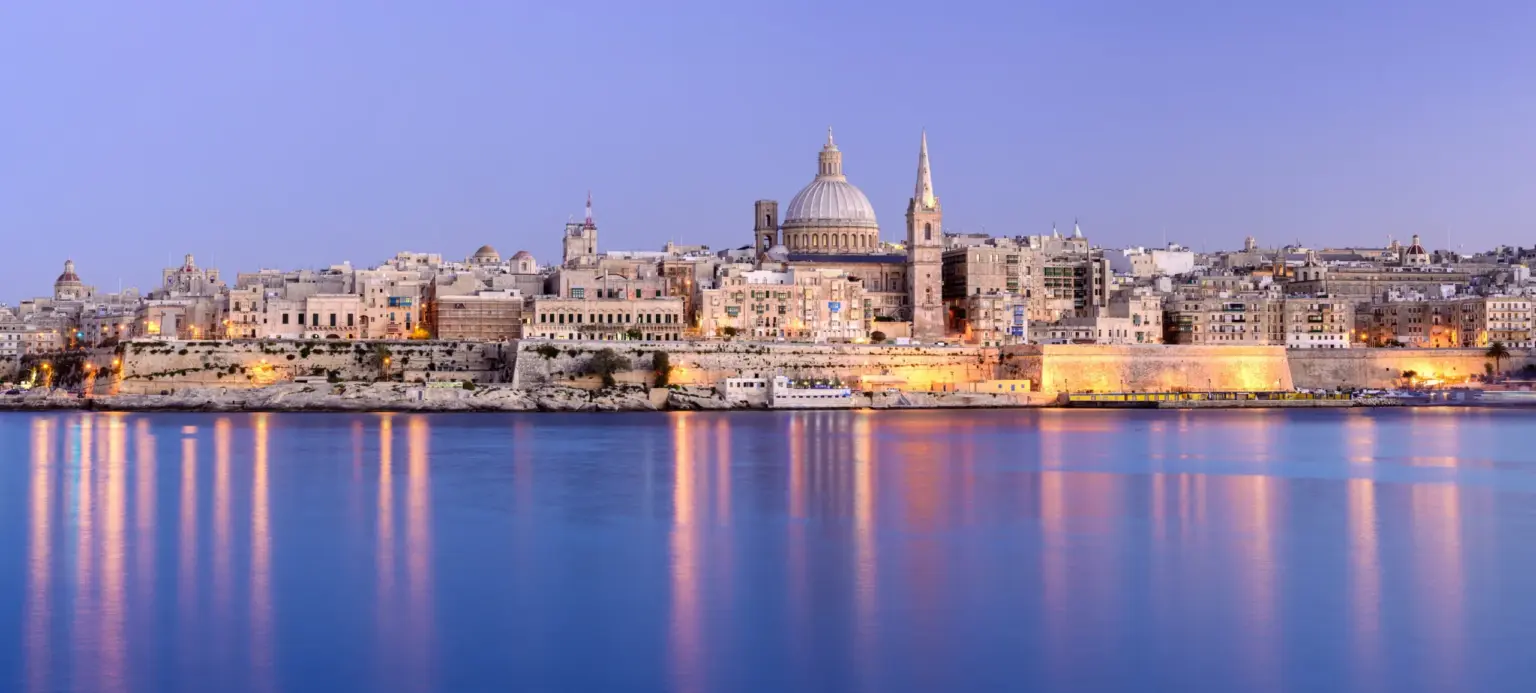
In a crowded meetings market where planners are under increasing pressure to deliver measurable ROI, genuine sustainability credentials and experiences that truly move the needle, Malta is quietly becoming one of Europe’s most compelling propositions for business events. Compact, connected and culturally extraordinary, the Maltese Islands offer something increasingly rare: a destination that delivers on every front without compromise.
A strategic location that works harder
Sitting at the crossroads of Europe and North Africa, Malta is a natural anchor point for pan-European and EMEA-focused events. Excellent air connectivity to major European hubs means delegates arrive efficiently and on budget – a critical factor as travel cost scrutiny intensifies. Delta Air Lines will launch the first-ever direct service between Malta and New York this summer, operating three flights per week from June through October and marking a historic milestone as the first US carrier to fly directly to the island. The route is expected to boost connectivity for tourists, business travellers and the Maltese diaspora alike. This forms part of a broader summer expansion at Malta International Airport, which has already seen strong passenger numbers this year, and includes a range of new and increased European services – among them new UK routes from easyJet and Jet2, expanded Scandinavian connections, and continued services to Tirana.
Once on the ground, Malta’s compact geography becomes a genuine operational advantage. Short transfer times between hotels, venues and activity sites allow planners to build dense, high-value programmes without the logistical friction that erodes delegate time and inflates costs. In a destination where everything is close, every minute works harder.
The climate seals the deal on the ROI case. With around 300 days of sunshine and mild winters, Malta opens the door to shoulder-season and winter dates at more favourable rates. For multi-year event rotations and long-range planning, that reliability has real financial value.
Infrastructure that has grown up
Malta punches well above its size when it comes to MICE infrastructure. The islands offer more than 3,900 rooms across 19 five-star hotels, complemented by over 60 four-star properties – many with in-house conference facilities and dedicated event teams. Keeping delegates under one roof, or within minutes of each other, is a logistical advantage that enhances both cohesion and the bottom line.
The Maltese government has reinforced that commitment at the highest level, with MICE identified as a priority niche in its 2026 strategic investment plans – alongside wellness tourism and luxury travel. For planners seeking a destination with political will and long-term investment behind it, that matters.
Venues that tell a story
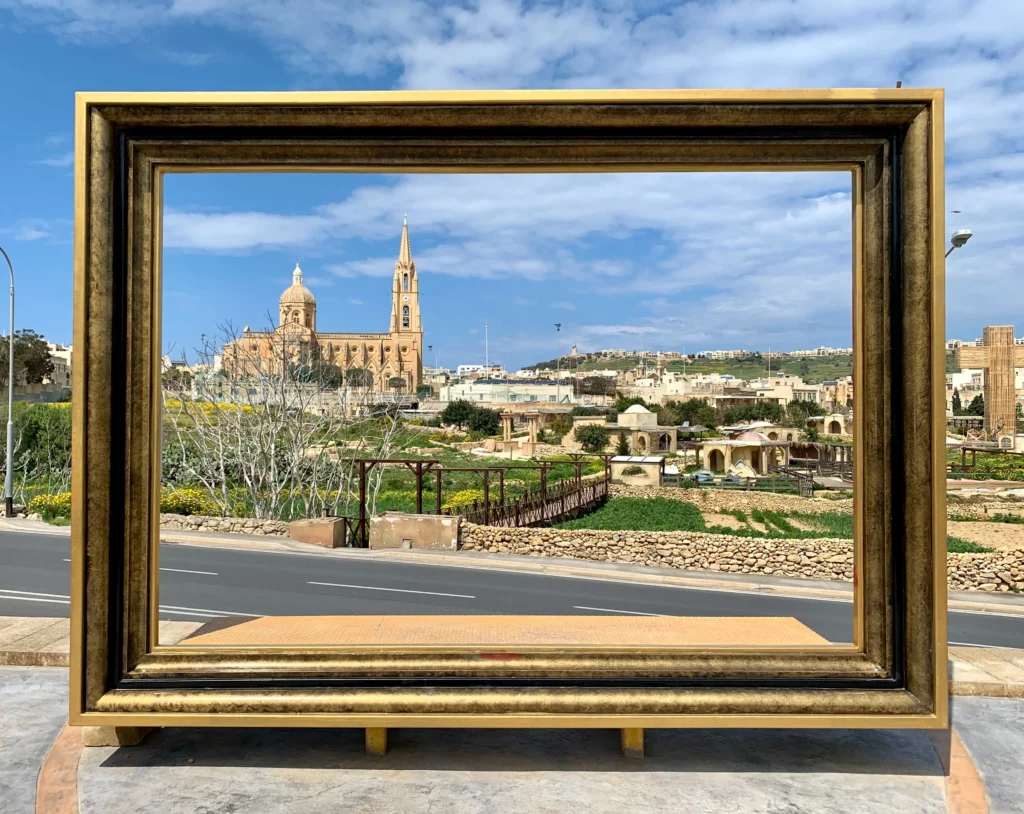
Malta’s conference infrastructure runs from purpose-built scale to jaw-dropping heritage – and both deliver to the highest standard.
The Malta Fairs & Convention Centre (MFCC) at Ta’ Qali is the island’s purpose-built venue for large-format events. With a main hall spanning 7,000m² and capacity for up to 10,000 seated delegates or 22,000 standing, it offers the production capability and modular flexibility that major conferences, trade exhibitions and gala events demand.
The Mediterranean Conference Centre (MCC) in Valletta offers something altogether different. Housed in a UNESCO World Heritage city, its Valletta Hall – with vaulted ceilings and 1,500m² of space – accommodates up to 900 seated or 1,500 standing guests. The ability to host a global congress in a setting that is centuries old yet fully equipped for modern production is a differentiator few destinations can match. Themes like medieval banquets with costumed servers or gala dinners beneath centuries-old stone arches are not gimmicks here – they are entirely authentic.
Beyond these anchors, Malta offers a rich portfolio of boutique meeting rooms, outdoor terraces, wine estates and private historic spaces that give planners the flexibility to match venue to audience with precision.
Experiences that justify the investment
Today’s business events are increasingly judged not just on what happens in the conference room, but on what delegates carry home with them. This is where Malta excels – and where the ROI case becomes genuinely compelling.
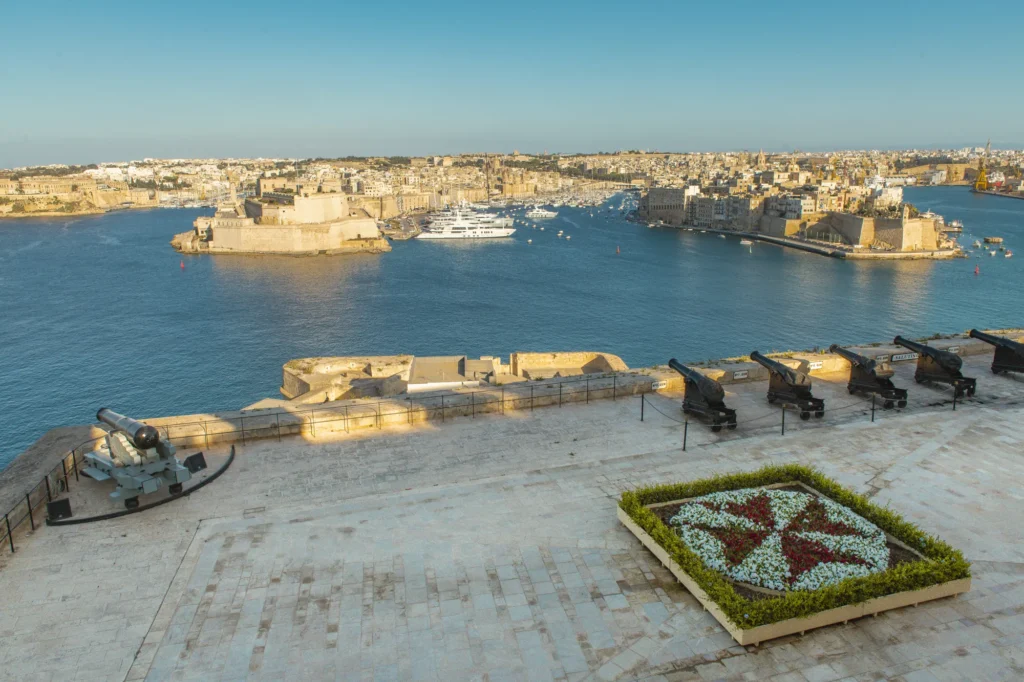
Delegates can explore Valletta through interactive digital treasure hunts, enjoy exclusive private evenings in the medieval streets of Mdina, or take a harbour cruise through the Grand Harbour at sunset. On Gozo – Malta’s quieter, greener sister island – off-road adventures and coastal experiences provide a striking counterpoint to the main island’s urban energy. Local gastronomy, a growing contemporary arts scene and boutique wine estates add the kind of authentic, curated touches that resonate with incentive audiences and top-tier client groups.
These are not bolt-on social programmes. They are the kinds of experiences that generate the delegate conversations, social media moments and lasting impressions that make an event truly worth attending – and worth commissioning again.
Sustainability without the greenwash
Sustainability has moved from a nice-to-have to a board-level requirement for many organisations, and Malta’s credentials here are more substantive than they might appear at first glance.
The destination’s compact footprint naturally reduces transfer distances and event-related emissions compared to sprawling mainland cities. The EU Ecolabel is a voluntary certification scheme promoting products and services with a reduced environmental impact across their entire life cycle – a credible antidote to greenwashing in an increasingly eco-conscious market.
For Malta, the opportunity is real. The Malta Tourism Authority endorses the label for tourist accommodation, noting it helps establishments reduce energy and water consumption, cut costs, and attract environmentally conscious travellers. With EU green procurement rules tightening and around 57% of EU Ecolabel licence holders being SMEs, certification is well within reach for local businesses – and increasingly, a baseline expectation.
DMCs across the islands have embedded sustainable practices into programme design – from paperless processes and locally sourced catering to experiences that actively celebrate and protect Malta’s cultural and physical heritage.
Malta has also joined SANCBE – the pan-European Strategic Alliance of National Convention Bureaux – demonstrating a commitment to industry-wide best practice and destination accountability that serious planners will recognise and value.
Gozo: Malta’s hidden incentive gem
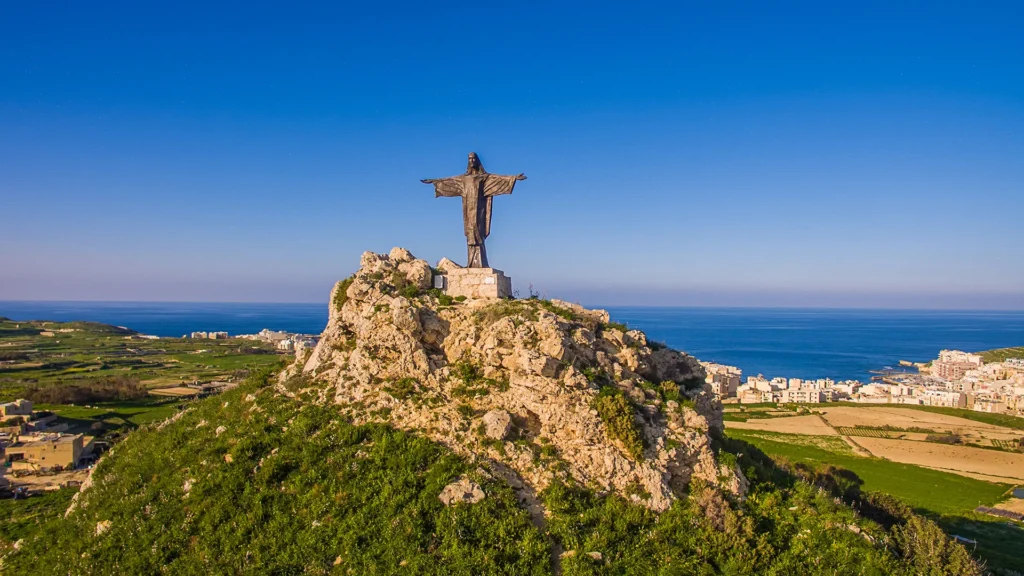
Just 45 minutes by fast ferry from Valletta – Malta’s UNESCO World Heritage capital – lies Gozo, a compact island that punches well above its weight as a standalone incentive destination. Far from being simply an add-on to a Malta programme, Gozo offers something increasingly rare in the incentive world: genuine authenticity. For clients seeking an experience that is off the beaten track yet effortlessly refined, Gozo delivers a compelling blend of adventure, history, culture, wellness and luxury – without the crowds or the premium price tag.
What sets Gozo apart is its intimacy. Transfer times across the island are short, exclusivity comes naturally, and the island’s boutique venues and secluded settings lend themselves perfectly to private, high-impact incentive moments. Community-based activities connect delegates with the island’s deeply rooted traditions, while the rugged landscape opens the door to outdoor adventure unlike anywhere else in the Mediterranean. Whether it’s a private dinner in a centuries-old farmhouse, a wellness retreat in a clifftop setting, or a team challenge through ancient villages, Gozo leaves a lasting impression – and that, ultimately, is the measure of any great incentive.
The support to make It happen
Behind every successful Malta event is VisitMalta Incentives & Meetings – the official convention bureau and a genuinely useful resource for international planners. The team provides free, impartial support at every stage: from bid assistance and venue sourcing to connecting planners with vetted local DMCs, suppliers and conference hotels. Support for qualifying events means that the business case for Malta can be strengthened further at the proposal stage.
With English as the official language alongside Maltese, communication is seamless. In addition, the local workforce is multilingual, and the private sector events supply chain is deep and experienced in handling complex international programmes. There are no communication barriers, no logistical surprises and no shortage of creative ambition.
The opportunity
Malta is not asking to be considered as an alternative to the usual suspects. It is making the case to be the first call for planners who want a destination that is strategically located, financially defensible, genuinely sustainable, and – crucially – memorable in a way that no airport-adjacent convention centre city ever will be.
In 2026 and beyond, with new hotels opening, government investment flowing and the destination’s professional infrastructure at its most mature, the opportunity to bring a business event to Malta has never been stronger.