
Published on
March 31, 2026
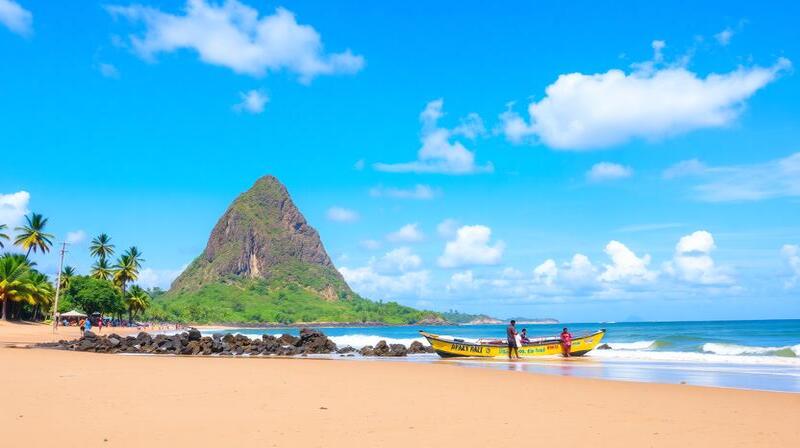
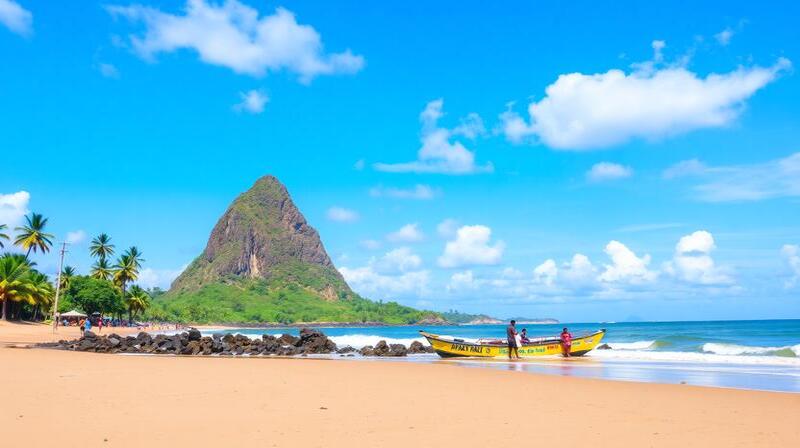
Image generated with Ai
Sri Lanka waives visas for 40 countries, including New Zealand, France, and Spain, aiming to revive tourism and boost the economy in 2026.
Sri Lanka’s tourism sector, once booming, has faced a sharp decline in early 2026. Official statistics show that between March 1 and 25, the island welcomed 151,693 visitors, marking a 22% drop compared to the same period in 2025. Regional conflicts in the Middle East have disrupted air travel, caused flight cancellations, and raised ticket prices, especially on Europe–Asia routes. Daily arrivals averaged 6,068, well below last year’s 7,407, demonstrating the tangible impact of global instability on the island’s tourism.
Sri Lanka Introduces Free Visas to Attract 40 Countries
In response to the slowdown, Sri Lanka is fast‑tracking a bold new policy to grant free Electronic Travel Authorisation (ETA) visas to visitors from 40 countries. This initiative extends existing visa waivers beyond China, India, Indonesia, Japan, Malaysia, Russia, and Thailand, targeting nations that are vital for tourism revenue and long‑haul travel. The measure is set to be submitted to the Cabinet and approved by Parliament shortly, aiming to boost visitor numbers and sustain economic growth.
Countries Included in the Free Visa Programme
The new policy will allow citizens of the following countries to enter Sri Lanka without paying visa fees: Australia, Austria, Bahrain, Belarus, Belgium, Canada, Czech Republic, Denmark, Finland, France, Germany, Iran, Israel, Italy, Kazakhstan, Kuwait, Nepal, Netherlands, New Zealand, Norway, Oman, Pakistan, Poland, Qatar, Saudi Arabia, South Korea, Spain, Sweden, Switzerland, Turkey, United Arab Emirates, United Kingdom, and United States, in addition to the seven countries already enjoying free ETAs.
Tourism Figures Show Mixed Signals
Despite March’s decline, Sri Lanka’s overall tourism performance remains resilient. In the first quarter of 2026, arrivals surpassed 700,000, reaching 708,348 visitors, up 4.45% from the previous year. India remains the largest source market, contributing 39,424 arrivals (26% of total). Other top markets include the United Kingdom (13,967), Russia (13,272), China (12,166), and Germany (10,523). Long-haul travellers from Western countries help offset some of the decline, highlighting the importance of targeting these regions with visa reforms.
Visa Waivers as a Strategic Tourism Tool
Waiving visa fees is a proven strategy to stimulate travel during temporary downturns. Sri Lanka’s expanded ETA programme is timed to counteract the negative effects of rising airfares, flight disruptions, and geopolitical tensions. By reducing entry barriers, the country aims to make travel more attractive for both business and leisure visitors from key international markets.
Advertisement
Advertisement
Air Connectivity and Travel Stability Remain Critical
While the free visa scheme is promising, its effectiveness depends on stable air corridors. Airlines must restore regular flights to major source countries, particularly in Europe, the Middle East, and North America. Sri Lanka’s airports have the capacity to accommodate growing traffic, but global flight availability and pricing will play a decisive role in realising the policy’s potential.
India Leads, Western Markets Cushion the Decline
India continues to dominate Sri Lanka’s tourism arrivals due to proximity, cultural ties, and strong flight connectivity. Meanwhile, long-haul markets such as the United Kingdom, Germany, France, and the United States remain crucial for revenue. The new visa policy specifically targets these countries to enhance long-haul travel and strengthen tourism resilience against regional disruptions.
Advertisement
Advertisement
Diversification and Modernisation of Tourism Offerings
Beyond beaches and cultural sites, Sri Lanka is expanding into health tourism, adventure travel, and eco-tourism. The free visa programme complements this strategy, encouraging international travellers to explore new experiences across the island. Enhanced accessibility is expected to attract high-value tourists and stimulate longer stays.
Economic Implications of Visa Reforms
Tourism contributes significantly to Sri Lanka’s economy, supporting jobs, local businesses, and foreign exchange earnings. With regional instability affecting global travel, the free visa initiative serves as a timely economic intervention, providing immediate incentives to visitors while reinforcing Sri Lanka’s long-term tourism strategy.
The Challenge Ahead: Converting Policy into Growth
The ultimate success of Sri Lanka’s free visa scheme hinges on converting regulatory changes into actual travel bookings. Tourism operators and travellers alike will monitor flight stability, pricing, and safety before committing. While visa waivers are an essential first step, marketing, infrastructure, and service quality will determine how quickly the policy translates into tangible results.
Conclusion: A Bold Move for Sri Lanka’s Tourism Recovery
Sri Lanka’s free visa programme for 40 countries is a decisive response to a challenging global environment. It represents a strategic effort to attract high-value travellers, sustain economic growth, and secure the island’s position as a premier destination. By combining accessibility with diverse tourism offerings, Sri Lanka aims to restore momentum and turn current setbacks into long-term opportunity.
