
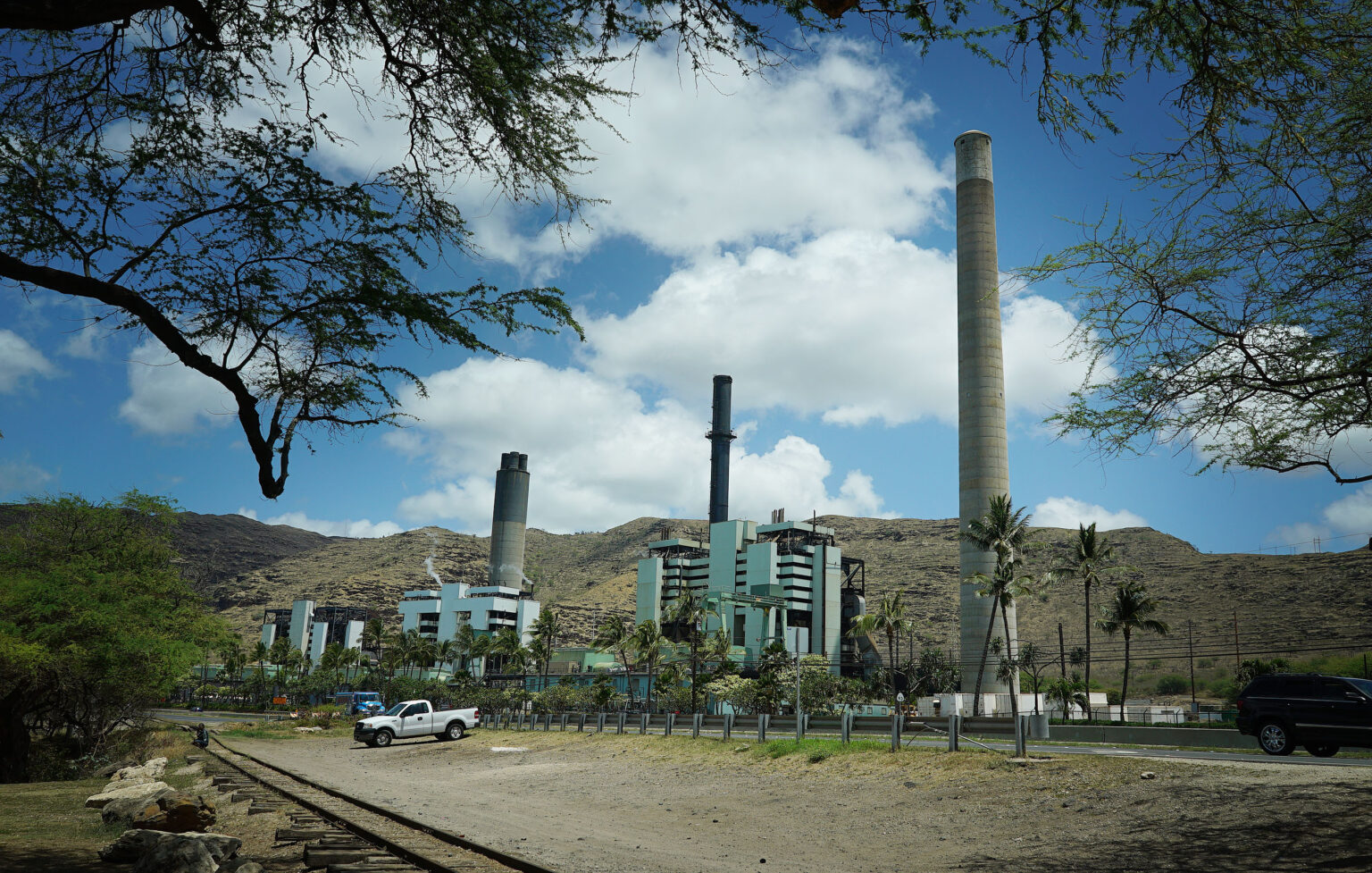
An important energy proposal is on the table: a liquefied natural gas project that could save a typical Oʻahu home more than $41 a month on electricity. Hawai‘i has a choice to make, and every family in the state will feel it.
I’ve spent years working on housing issues because the math of staying in Hawai‘i is broken for too many families. I co-founded Housing Hawai‘i’s Future, a group working to solve the housing crisis so local families can afford to stay.
Along the way, I learned that housing, energy, and the cost of living aren’t separate problems. They’re the same problem arriving in different envelopes every month.

Ideas showcases stories, opinion and analysis about Hawaiʻi, from the state’s sharpest thinkers, to stretch our collective thinking about a problem or an issue. Email news@civilbeat.org to submit an idea or an essay.
I’m also a husband and a father of four. My family does the math the same way everyone else does. Nearly 45% of Hawai‘i households live below the poverty line or just above it, and these families still can’t afford the basics where they live.
Aloha United Way calls them ALICE: Asset Limited, Income Constrained, Employed. These are working people, not people who fell through the cracks. For them, the electric bill isn’t a number on a page. It’s the difference between staying and leaving.
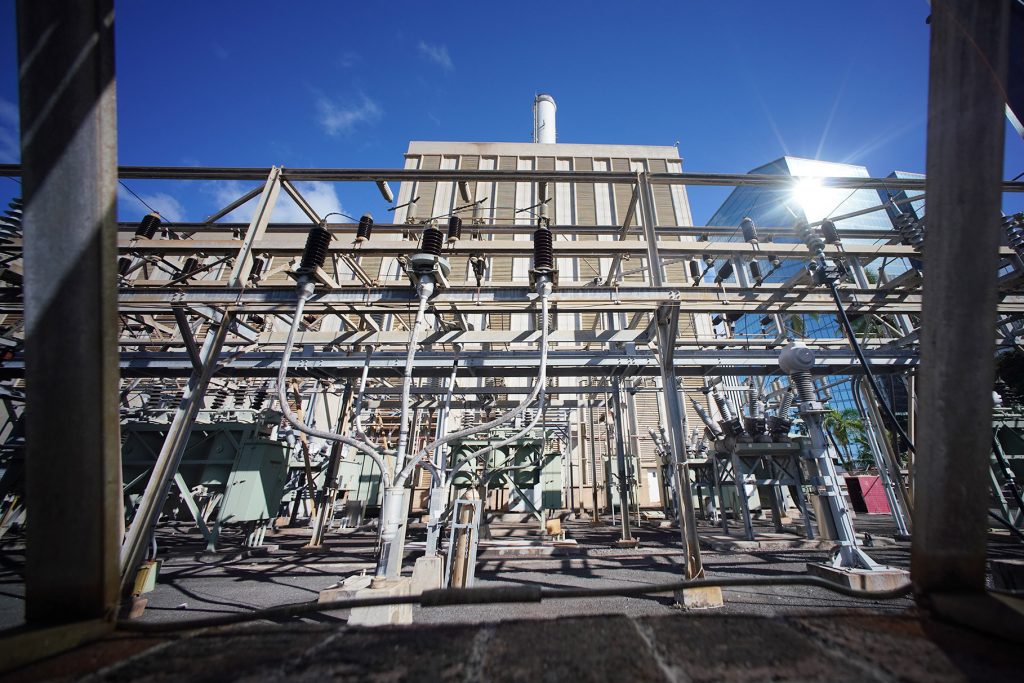 A Hawaiian Electric power plant along Ala Moana Boulevard. The proposal to bring LNG to the islands has prompted the need to have a public discussion about the state’s energy future. (Cory Lum/Civil Beat/2022)
The promise of rooftop solar is real, and it deserves support. But it only works for some people. You need to own your home, have savings, and have the right roof.
Most of the families carrying the heaviest burden are renters. They can’t install panels or pick their power source. Their only lever is what the utility charges. That makes the fuel we use, in effect, the energy policy for nearly half of all Hawai‘i households.
Government must pursue the most affordable and reliable energy option — not just the most emotionally appealing one. Some advocates want Hawai‘i to burn oil and biofuel for power. But the biofuel plan carries hidden costs. Biofuel currently costs more than twice as much as oil. And growing crops to burn as fuel takes land and water. In Hawai‘i, both are already scarce and fiercely contested.
Families on Maui — where my wife’s family lives — may be surprised to learn that this biofuel plan might use their island’s land and water to grow crops for power on O‘ahu. Maui families have spent years fighting over every drop of water and every acre of agricultural land. This plan would put both back in play — to generate power for O‘ahu.
Some voices in this debate would rather close doors than open them. They’ve raised sharp challenges to the State Energy Office’s findings while showing little interest in the analysis presented by JERA, the Japanese company proposing LNG. A company willing to invest $2 billion into Hawai‘i has done its math.
But the question isn’t whether LNG works for the investor — it’s whether it works for the ratepayer. Only an honest, open debate can answer that question.
Hawai‘i already has the highest power rates in the country.
Most of the people touched by this choice will never attend a Public Utilities Commission hearing or speak before a legislative committee. The process wasn’t built for them. I’ve seen the same gap in housing: the families with the most to lose have the least voice in the room.
It falls to our leaders to put working families first and seriously debate all the energy proposals. Hawai‘i already has the highest power rates in the country.
Forty dollars a month is the difference between staying and leaving for too many families here. Their leaders should do that math too.

Sign up for our FREE morning newsletter and face each day more informed.
Sign Up
Sorry. That’s an invalid e-mail.
Thanks! We’ll send you a confirmation e-mail shortly.