
Rising fuel costs directly increase the price of goods.
SAN DIEGO — Major companies are imposing fuel surcharges as the war with Iran drives oil prices past $110 a barrel, with economists warning that consumers will ultimately bear the costs. Gasoline in San Diego now averages $5.94 a gallon.
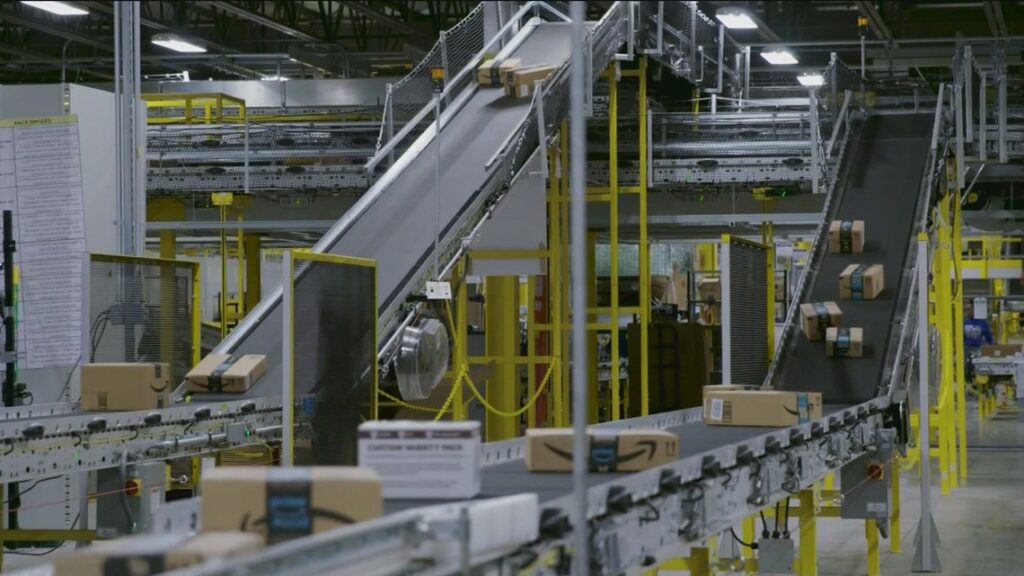
Amazon announced a 3.5 percent surcharge on third-party sellers using its platform, effective April 17. Shipping and airline companies have implemented similar measures to offset the dramatic rise in transportation costs.
Rising fuel costs directly increase the price of goods movement. “The bulk of the goods that we buy are moved by truck, and trucks use gasoline or diesel fuel. And so, the cost of moving all that stuff goes higher, and then they’re going to either manage those costs or pass those along to their customers,” said Mark Hamrick, senior economist with Bankrate.
The transportation industry has raised rates across the board. The U.S. Postal Service implemented an 8 percent increase in package delivery rates last week. FedEx added 26.5 percent to ground shipment prices, while UPS raised its ground rates by 27 percent to offset higher oil cost.
Airlines have followed with their own fee increases. United and JetBlue both raised checked baggage fees, while summer airfares are tracking 18 percent higher than last year. Some experts warn costs could reach 30 percent higher if the conflict continues, as jet fuel prices have nearly doubled since late February.
San Diego faces particular economic vulnerability due to its reliance on shipped goods.
“Anything that is shipped: the price of diesel is going to be built into the price of the product,” said Alan Gin, professor of economics at the University of San Diego. He explained that the region depends heavily on imports: “A lot of the products are shipped in, and so because of that, we may be more impacted by higher diesel and shipping costs than other areas.”
Airlines will pass increased costs to consumers regardless of fee structure. “Prices will go up one way or the other. They’re either going to charge a higher price for the ticket itself or else tack on all these fees,” Gin added.
President Trump has dismissed fuel cost concerns, saying, “If we have a little high oil prices for a little while, but as soon as this ends those prices are going to drop I believe lower than even before.”
Many economists dispute this optimistic outlook. They argue that even if the war ended immediately, oil prices and gasoline costs would remain elevated for several months, with market normalization requiring six to twelve weeks or longer.