
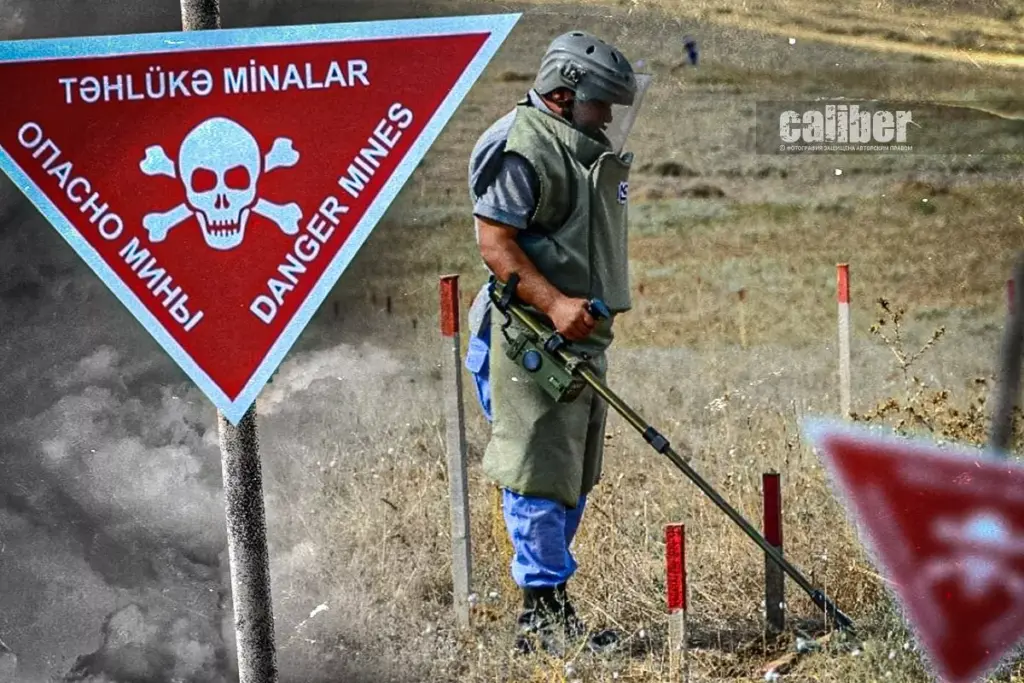
Today, April 4, marks the International Day for Mine Awareness and Assistance in Mine Action, established by a formal resolution of the United Nations General Assembly on December 8, 2005.
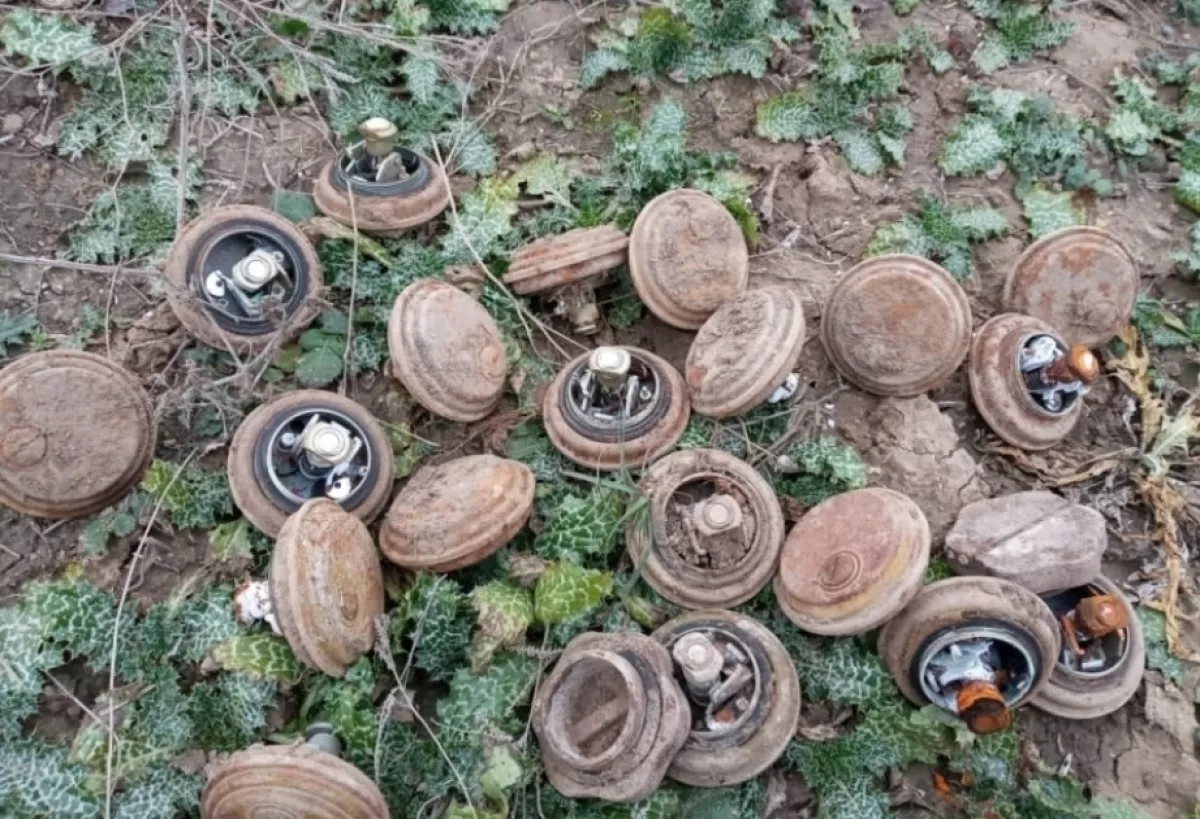
When adopting this resolution, the General Assembly called on the UN and relevant agencies to provide support for demining in countries where landmines and explosive remnants of war pose a serious threat to civilian safety.
For Azerbaijan, which has faced this issue since the occupation of its territories by Armenia, the matter is especially urgent. Armenian policies of mine warfare have left Azerbaijan among the countries most contaminated by landmines and unexploded ordnance in the world. Official statistics confirm this: approximately 12% of Azerbaijan’s territory is contaminated with more than 1.5 million landmines planted by Armenia over 30 years of occupation.
Since the post-war period began, Azerbaijan has been carrying out large-scale demining efforts, more than 90% of which are funded by domestic resources. Despite cooperation with some foreign partners, overall external support remains limited.

According to the Azerbaijan National Agency for Mine Action (ANAMA), 261,551 hectares of liberated territory have already been cleared of mines and unexploded ordnance. However, the statistics on those injured or killed by mine explosions remain deeply concerning. Between November 10, 2020, and April 3, 2026, 421 people fell victim to landmines, including 72 fatalities and 349 injuries of varying severity. Over the past 30 years, Azerbaijan has recorded 3,500 mine victims, among them 362 children and 38 women.
These tragic figures were also highlighted in today’s statement by the Permanent Mission of Azerbaijan to the UN, which noted that widespread mine contamination poses serious obstacles to achieving the Sustainable Development Goals (SDGs). The statement emphasised that Azerbaijan continues to advance mine action issues within the UN framework and underlined the importance of international support in combating the global mine threat. In this context, ANAMA once again called on the international community to unite efforts against the mine threat, stressing that the danger posed by explosive devices is not just a problem for a single country, but a challenge for all humanity, requiring collective action.
In a similar vein, today the Ministry of Foreign Affairs of Azerbaijan urged the international community to strengthen support for humanitarian demining efforts and assistance to mine victims.
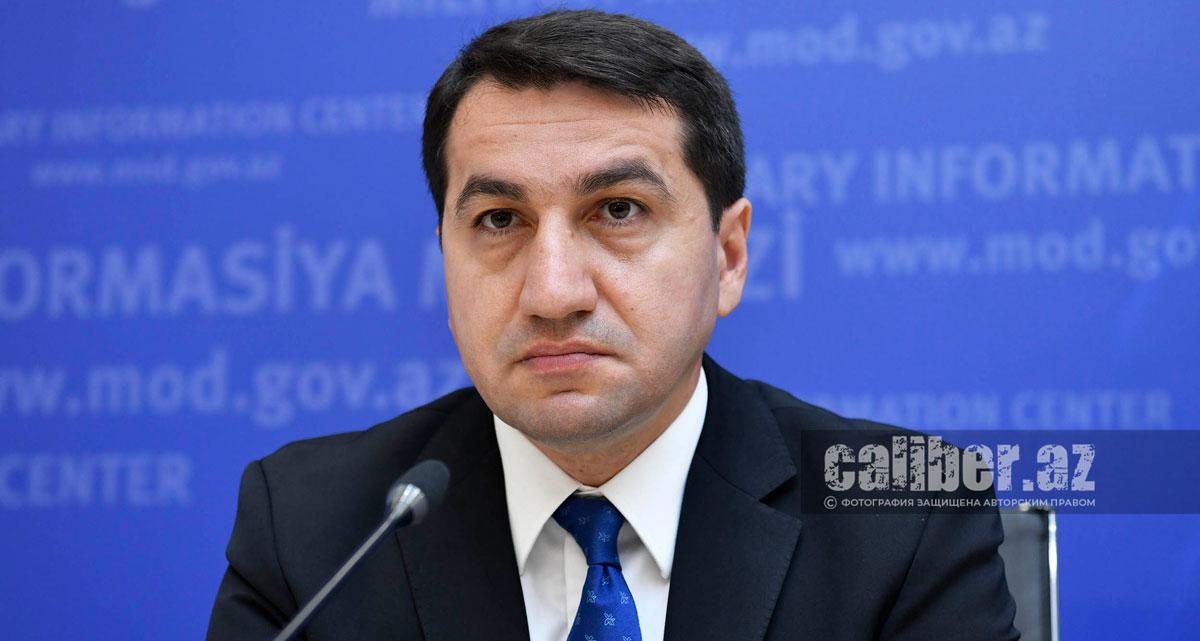
Azerbaijan’s President’s Assistant – Head of the Department for Foreign Policy Affairs of the Presidential Administration, Hikmet Hajiyev, wrote on social media X that civilians in Azerbaijan continue to die from mines planted by Armenia.
“Demining is not only a technical process — It is about justice. It is about human dignity. It is about the fundamental right of people to return home safely,” he emphasised.
The seriousness of the mine problem facing Azerbaijan has been repeatedly highlighted by President Ilham Aliyev, demonstrating that this issue remains at the centre of the Azerbaijani state’s attention. The government shows this commitment through concrete actions. For instance, in March and April of this year, the President signed a decree “On the establishment of a pension by the President of the Republic of Azerbaijan for the families of sappers killed in accidents caused by explosive devices during demining work, or who died from injuries sustained at that time”, and an order “On awarding the medal ‘For Merits in the Field of Demining’ to individuals distinguished in the demining of territories.”
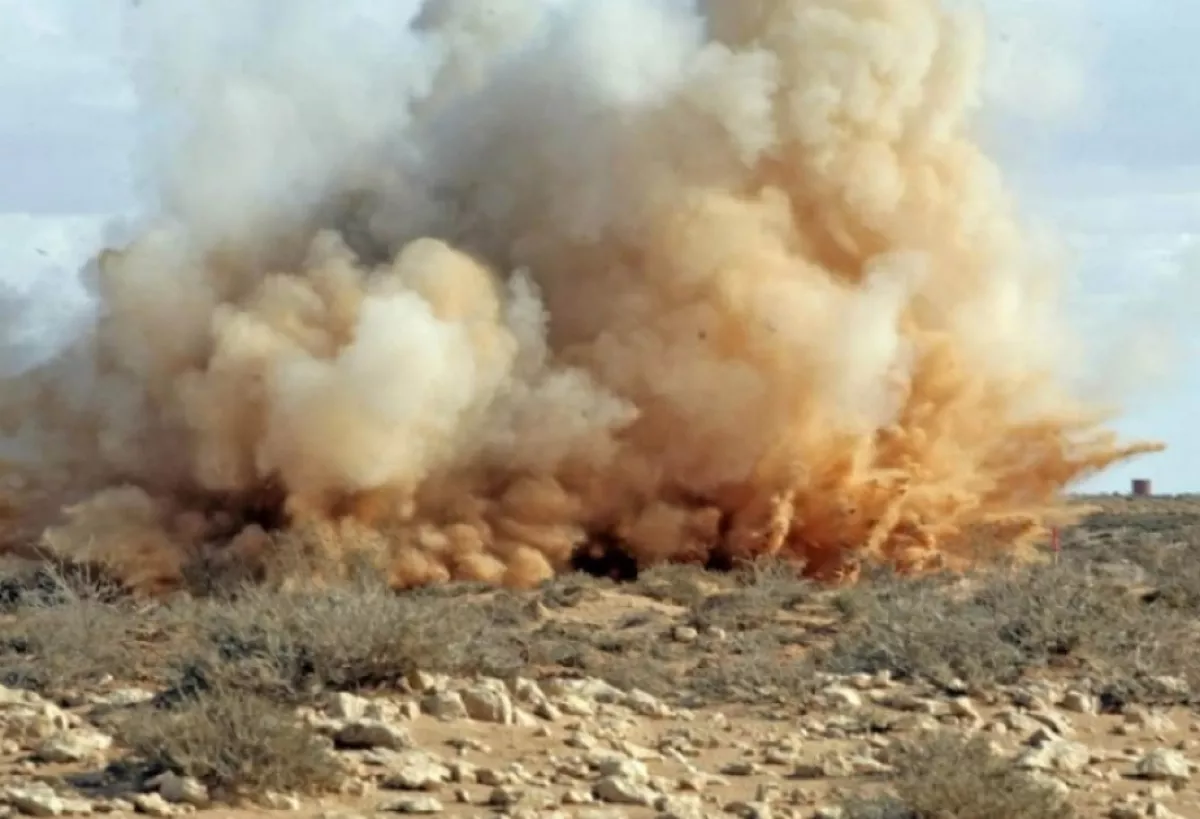
In conclusion, it is important to note that demining the liberated territories is significantly complicated by the lack of accurate maps of mined areas. Unfortunately, despite Azerbaijan’s repeated calls, Yerevan has still not provided Baku with precise minefield maps.
Meanwhile, now that a de facto peace has been established in the region, it would be appropriate for Armenia to demonstrate its commitment to peace with Azerbaijan by providing these maps, thereby permanently resolving this issue. Since this has not happened, Baku has grounds, under international law, to exert pressure on Yerevan through the relevant organisations. As the Assistant to the President of Azerbaijan rightly noted, the victims of mine terror are not just statistics—they are interrupted lives, broken families, and stolen futures.