
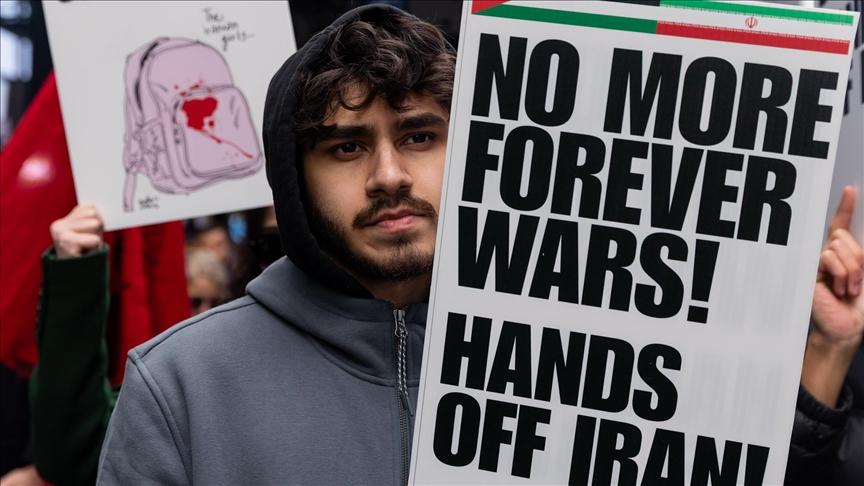
WASHINGTON (MNTV) — The domestic economic toll of the ongoing US-Israel war on Iran is increasingly being felt across the United States, with rising living costs, public frustration, and political backlash exposing deep cracks in the country’s internal stability.
Fuel prices have surged sharply, pushing up transportation and household costs, while mortgage rates and borrowing expenses continue to rise, placing additional pressure on already strained American families.
Supply chain disruptions linked to the conflict have begun affecting everyday goods, as shortages of petrochemicals and fertilizers drive up prices across multiple sectors.
Airfares have increased as airlines cut routes due to soaring fuel costs, and companies are imposing surcharges to offset logistical expenses. Economists warn that these combined pressures could fuel inflation and potentially push the US economy toward a broader slowdown if the war continues.
Despite these realities, the administration of Donald Trump has continued to downplay the domestic consequences of the conflict, even as approval ratings decline and political pressure mounts. Reports indicate growing dissatisfaction among Americans, with many questioning both the purpose and cost of the war.
Criticism has intensified over what analysts describe as Washington’s alignment with Israeli strategic objectives. Observers argue that the war appears to serve Israeli geopolitical interests more than those of ordinary Americans, reinforcing perceptions that US foreign policy is being shaped by external pressures rather than domestic priorities.
Within the United States, public discourse has increasingly reflected frustration over the economic burden of the conflict. Citizens facing rising fuel, housing and food costs have voiced anger over a war that many see as unnecessary and poorly justified.
Analysts point out that inconsistent messaging from the administration, alternating between claims of victory and threats of escalation, amplifies such sentiment.
The political consequences are becoming more visible. Trump is reportedly considering internal reshuffles within his administration as pressure grows from both lawmakers and the public. Analysts interpret these moves as attempts to contain the fallout from a war that is rapidly losing domestic support.
Experts warn that the longer the conflict continues, the more severe the domestic consequences could become. Rising inflation, declining consumer confidence, and increased economic uncertainty threaten to reshape the political landscape ahead of upcoming elections.
The situation underscores a widening disconnect between Washington’s military ambitions and the economic realities facing ordinary Americans, many of whom now see themselves bearing the cost of a war increasingly viewed as driven by strategic calculations beyond their control.