
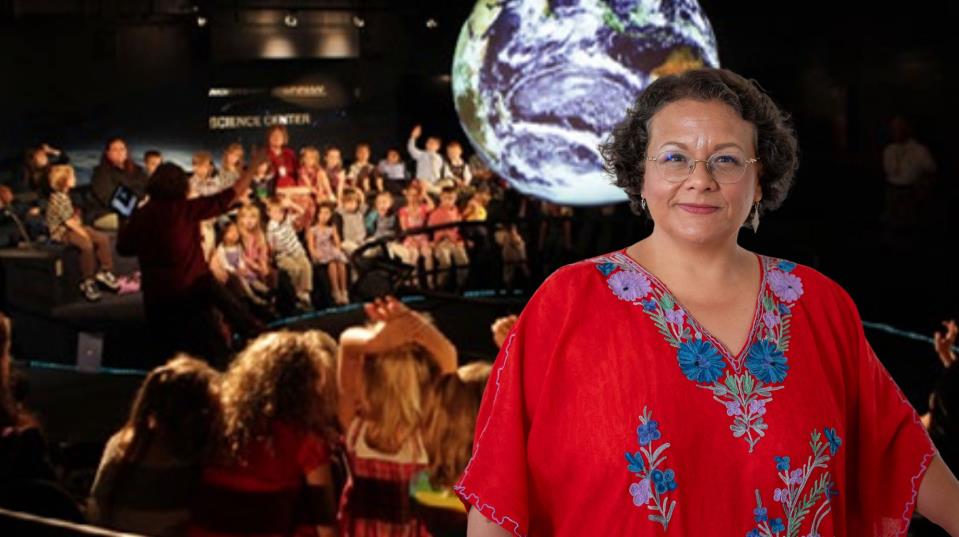

Nearly a decade after opening its doors, Malta’s national interactive science centre is positioning itself for a new phase of growth and innovation, with senior director Mary-Ann Cauchi outlining an ambitious vision.
In an interview with The Malta Independent on Sunday, Cauchi described a centre that has steadily embedded itself in Malta’s educational and cultural landscape, while now preparing for strategic transformation through new exhibits, expanded outreach, and a stronger focus on the Steam approach.
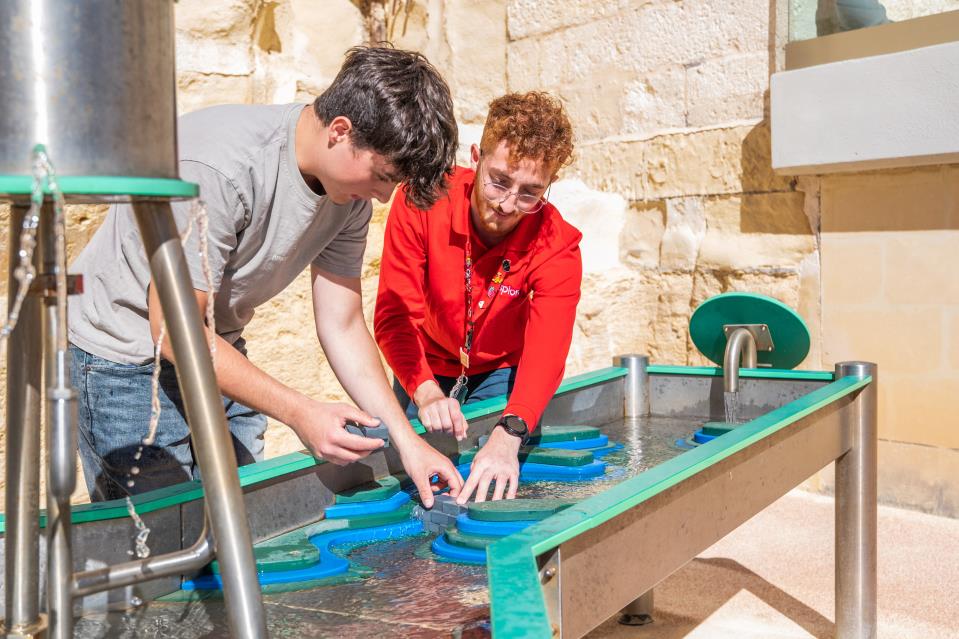
Cauchi said Esplora, under Xjenza Malta, has remained consistent in its core mission: bringing science closer to people’s everyday lives. Rather than functioning as a traditional educational institution, the centre has focused on interactive, hands-on experiences that encourage curiosity and understanding. “Whoever comes to Esplora is going to experience rather than learn,” she explained, emphasising that discovery, imagination and experimentation lie at the heart of its programmes.
Over the years, Esplora has played a significant role in promoting science as both a subject and a potential career path. According to Cauchi, this impact is supported not only by anecdotal feedback but also by data. A recent survey conducted in 2024 and published in 2025 showed strong public engagement, with a majority of respondents indicating they had visited the centre. Esplora also ranked highly among science-related public events in Malta, surpassing other initiatives in visitor participation.
Visitor numbers have generally followed an upward trend since the centre’s opening, although Cauchi acknowledged that figures fluctuated during the Covid-19 pandemic due to reduced interaction opportunities. Overall, she maintained that engagement remains steady, supported by a mix of general public visits, school groups and outreach initiatives.
The general public constitutes the largest share of visitors, surpassing even school attendance. Outreach activities also play a key role, with Esplora extending its reach beyond its Kalkara base to schools, local councils and community centres across Malta. The centre regularly participates in national events and exhibitions, ensuring its presence in wider public life.
However, one area identified for improvement is tourism. Cauchi revealed that tourists currently account for just around 1% of visitors, so the focus has remained on the primary audiences of Esplora, aimed at encouraging the uptake in science subjects.
With the cruiseliner port just a drop away from Esplora and the airport nearby, there are plans for the centre to position tourism as one of its primary target areas moving forward. Efforts to improve accessibility include initiatives such as “Sail to Science”, which connects Valletta and Sliema to Esplora via traditional Maltese boats, making the site easier to reach despite its relatively remote location.
Esplora’s programming remains heavily event-driven, with a year-round calendar designed to engage diverse audiences. Seasonal activities tied to celebrations such as Carnival, Christmas and summer festas are used as opportunities to communicate scientific concepts in creative ways. For example, fireworks during festas are used to explain chemical reactions, while summer activities explore topics like sunlight and heat.
A major highlight for 2026 will be the introduction of Maker Faire Malta, part of the centre’s 10th anniversary celebrations. The globally-recognised event will bring together inventors, hobbyists and creators to showcase their work, marking the first time it is being held locally. Cauchi described it as an opportunity to foster innovation and creativity within the Maltese community.
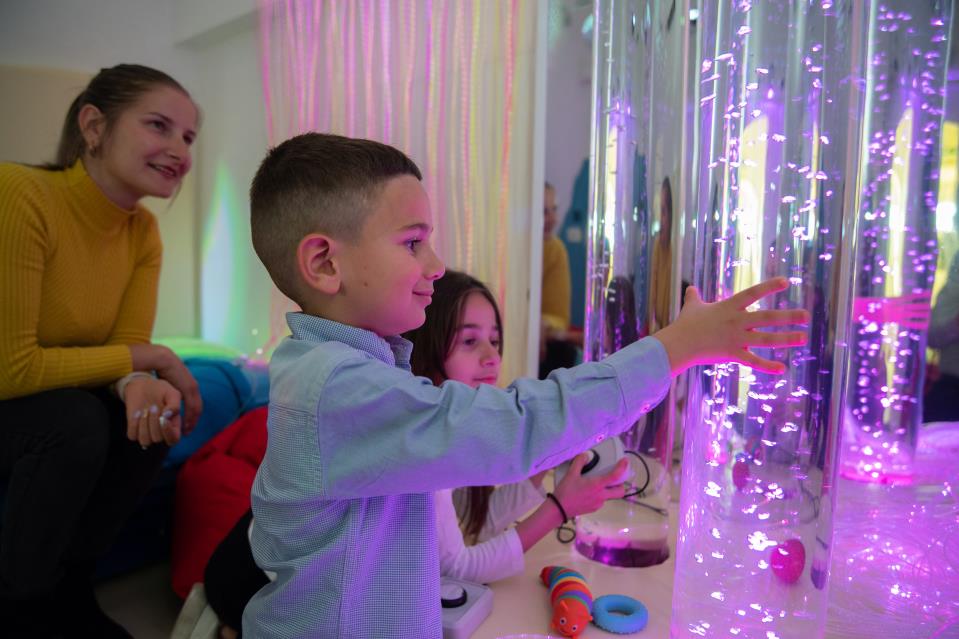
Inclusivity also features prominently in Esplora’s approach. The centre offers sensory-friendly hours designed for individuals sensitive to noise and light, adjusting exhibits and environments to create a more accessible experience. Additionally, programmes such as XjenzAnzjan cater to older audiences, providing interactive sessions on everyday scientific topics like nutrition, electricity and household safety.
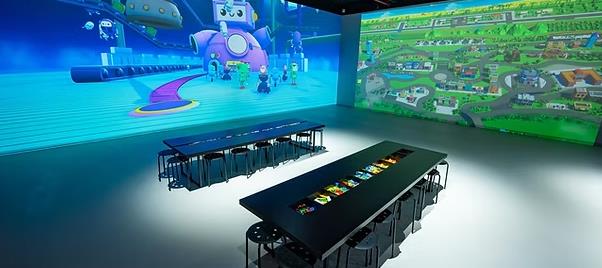
A key development shaping Esplora’s future is the adoption of the Steam approach, which integrates the arts into traditional Stem disciplines. Cauchi explained that while Stem – science, technology, engineering and mathematics – remains fundamental, Steam represents a broader educational philosophy that uses creativity and artistic expression to communicate scientific ideas.
This shift is being reinforced through a newly-established Steam engagement task force, bringing together stakeholders from education, industry and the arts, including the University of Malta, MCAST, professional chambers and Arts Council Malta. The initiative aims to create a unified national approach to Steam, ensuring that science communication evolves in line with contemporary educational practices.
The Steam Engagement Community Fund will mark an important shift from Stem, introduced in 2021, to Steam by supporting communities and local entities to develop more creative, innovative and impactful projects that connect science and technology with wider skills and community engagement.
Esplora is also in the process of developing its first formal long-term strategy, covering the period from 2026 to 2030. Cauchi described this as a significant milestone, noting that the centre has lately operated without an overarching strategic framework. The new plan is being developed through extensive consultation with internal and external stakeholders, including staff, educators, visitors and local communities, particularly those in the Cottonera region.
Central to this strategy is a stronger emphasis on research and evaluation. Cauchi stressed the importance of data-driven decision-making, arguing that consistent research is essential for effective leadership and sustainable growth. “Without research, decisions risk being based on instinct rather than evidence,” she said.
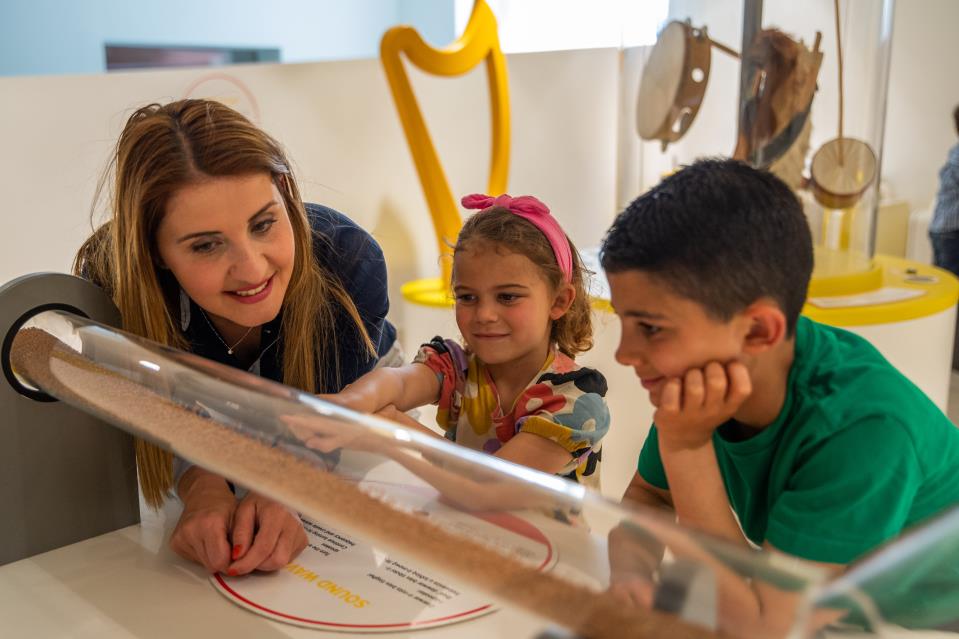
Investment in infrastructure and content is another priority. Esplora has already begun introducing new exhibits, including installations focused on music, artificial intelligence and nature, such as a live beehive display. These additions aim to provide fresh experiences for returning visitors while reflecting the centre’s evolving focus on innovation and interactivity.
Further upgrades are planned for the planetarium, one of Esplora’s flagship attractions. With only a limited number of digital planetariums worldwide, the facility is considered a unique asset. Plans for a complete overhaul are currently underway, ensuring it remains a cutting-edge educational tool. Also, currently plans are taking place for the redesign of the façade and reception area improving accessibility, engagement and aesthetic.
The centre’s historical setting at Villa Bighi also continues to play an important role in its identity. Once a military hospital, the site retains several original features, including a historic mechanical lift used to transport injured soldiers. Esplora incorporates this heritage into its visitor experience through guided tours and exhibitions, blending science with cultural history.
Collaboration with schools remains a cornerstone of Esplora’s work. Its education programmes are aligned with the national curriculum, offering students interactive experiences that complement classroom learning. Visits typically include guided trails through exhibits, hands-on workshops and either science shows or planetarium sessions, all designed to reinforce key concepts in an engaging way.
Despite strong participation from younger students, Cauchi noted a low attendance among older age groups, particularly from secondary school onwards. Addressing this gap is a priority, with plans to introduce accredited programmes linked to O level and A level studies, providing practical components that support formal education. Alongside this, the new Young Researchers Award Scheme will open up opportunities for young people aged 13 to 17 to carry out scientific research projects under academic supervision, with structured training in research and scientific ethics, helping to nurture critical thinking and a new generation of young researchers.
Esplora’s development has been significantly supported by European Union funding, which Cauchi described as crucial in bringing the project to life. Continued investment at both EU and national levels has enabled the expansion of programmes and facilities, while also supporting research and innovation initiatives across Malta.
Looking ahead, Cauchi said the centre’s main focus will be on maintaining relevance in a rapidly changing world. This includes continuously updating exhibits, expanding outreach efforts and ensuring that visitors encounter something new with each visit. Membership schemes, which encourage repeat attendance, have already proven successful in fostering long-term engagement.
Ultimately, Cauchi believes Esplora’s strength lies in its ability to make science accessible, enjoyable and meaningful for all. As it approaches its 10th anniversary, the centre is not only reflecting on its achievements but also laying the groundwork for the next phase of its evolution – one defined by innovation, inclusivity and a renewed commitment to inspiring curiosity across Maltese society.