
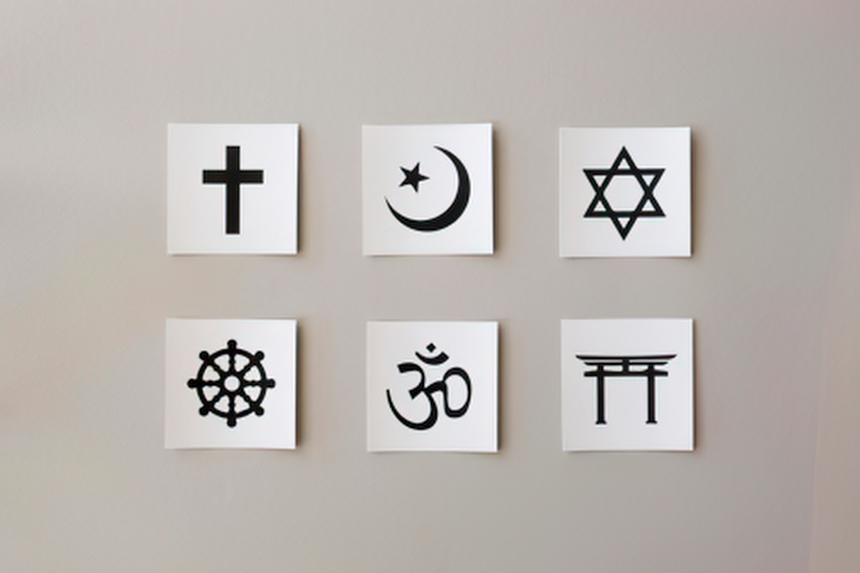
Australia is experiencing a religious education split that nobody saw coming. 38.9% of Australians now identify as having no religion, up from 22% in 2011. Yet enrollments in religious private schools have surged by 35% over the past decade. Meanwhile, Special Religious Education (SRE) in state schools is quietly collapsing. This isn’t a simple story about secularisation. It’s about two competing visions of education playing out in real time.
The State School Decline
SRE participation tells a stark story. In NSW primary schools, 71% of students participated in 2015. In secondary schools, that number dropped to just 30%. Many urban areas now see the majority of students opting out entirely. The program runs on a volunteer-led model that’s showing its age. Most SRE teachers are volunteers rather than trained educators. They struggle to develop techniques that reach today’s students. Schools must coordinate with multiple religious organisations, manage consent forms and arrange supervision for non-participating students. When opt-out rates climb, schools face a practical question: Does it make sense to dedicate resources to programs serving a shrinking minority? The program dates back to 1849, making it one of Australia’s oldest continuous education initiatives. But longevity doesn’t equal relevance.
The logistical burden extends beyond scheduling. Schools report difficulties finding enough volunteers willing to commit regular time during school hours. Quality control presents another challenge. Without consistent training standards across providers, the educational experience varies wildly from classroom to classroom. Some students receive thoughtful engagement with religious texts and traditions. Others sit through poorly prepared sessions that feel more like babysitting than education.
The Private School Surge
While state school religious education struggles, faith-based private schools are thriving. Islamic school enrollments doubled between 2012 and 2022. Christian schools grew by 50%. Between 2021 and 2025, independent schools recorded a 15.3% increase. Government schools saw just 0.4%. Approximately 30% of all Australian schools are now affiliated with a religion. That’s 94% of private schools. Compare this to Sweden, where 2% of schools are religious, or the US at 10%. Parents are voting with their feet. Families are choosing environments where faith integration isn’t optional or volunteer-led. What these parents want are schools where religious education is woven into the curriculum, taught by trained educators and backed by institutional commitment.
The financial dimension adds another layer. Religious private schools receive substantial government funding while maintaining autonomy over curriculum and values. This creates an attractive proposition for parents seeking specific educational philosophies. These schools can hire specialist religious education teachers, integrate faith perspectives across subjects and create coherent communities built around shared beliefs. For families who want their children’s education to reinforce rather than challenge their worldview, the choice becomes obvious.
What’s Really Happening
This split reveals something deeper than enrollment trends. The Australian Human Rights Commission puts it this way: “We are not a secular society, we are a pluralist society.” Over 53% of Australians still identify with religion, representing more than 150 distinct faith groups. But pluralism in practice looks messy. State schools in NSW work with 101 approved SRE providers, though Christian SRE dominates. Critics argue this shows preferential treatment to larger religious groups. Supporters point to research showing SRE contributes to values education, religious identity development and student wellbeing.
The tension isn’t between religion and secularism. It’s between different models of how religion fits into public education. State schools try to accommodate everyone through opt-in programs. These satisfy no one completely. Faith-based schools offer immersive environments that align with specific worldviews. Both approaches have merit. Both face criticism.
Demographics play a significant role, too. Immigrant communities often turn to faith-based schools as anchors for cultural and religious identity. For these families, religious education isn’t just about theology. It’s about maintaining connections to heritage, language and community in a new country. State school SRE programs, typically dominated by Christian providers, don’t serve these needs effectively.
The Questions That Matter
Australia’s religious education landscape is forcing uncomfortable questions about public education’s role in a diverse society. Should state schools maintain programs that serve declining minorities? Should they step back entirely and leave religious education to families and faith communities? The growth of religious private schools suggests many families have already answered these questions. They want more than 30-minute volunteer-led lessons. They want integrated approaches where faith shapes the entire educational experience.
This creates its own challenges. As more families choose faith-based schools, state schools become increasingly secular by default. The pluralist vision (where students encounter diverse worldviews) becomes harder to maintain. The paradox deepens. As Australia secularises, more families seek religious education. When state schools struggle with religious education, more families turn to private alternatives. As this happens, the gap widens further. Nobody planned this split. It emerged from thousands of individual decisions by families, schools and policymakers responding to local pressures. The result is an education system moving in opposite directions simultaneously. It reflects a society still figuring out how to balance secular governance with religious freedom, institutional neutrality with genuine pluralism and historical traditions with contemporary realities. The trends are clear. The solutions aren’t.