
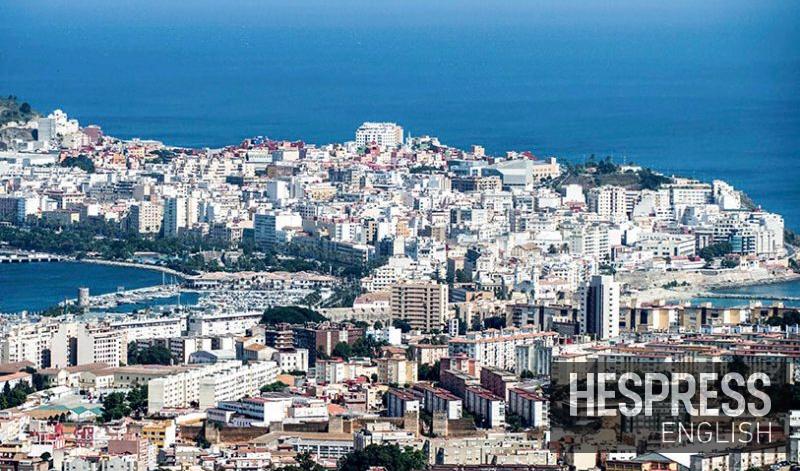
U.S. Congress member Mario Díaz‑Balart emphasized that Ceuta and Melilla are not part of Spain but lie within Moroccan territory, in an interview with the Spanish outlet El Espanol.
Díaz‑Balart noted that any U.S. support for Moroccan sovereignty over the two cities would be a decision for the administration.
He highlighted that the United States has long and positive relations with both Spain and Morocco, but stressed that Ceuta and Melilla are geographically part of Morocco, and their status is always negotiated and discussed among friends and allies.
He criticized Spanish Prime Minister Pedro Sanchez, saying his government is jeopardizing the U.S.-Spain alliance, unlike Morocco, which has maintained stable relations with Washington even in difficult times.
These statements come amid heightened diplomatic tensions between the United States and Spain.
The current crisis started after the Spanish government denied Washington’s request to use the joint military bases at Rota and Moron for operations linked to the war against Iran.
The government then closed Spanish airspace to U.S. military aircraft involved in the conflict, prompting Rubio to call Spain’s position unacceptable and suggest reviewing NATO’s role.
When asked whether the United States sees Morocco as an alternative for military bases, Díaz‑Balart said that the King of Morocco’s attitude has been positive.
The U.S. congressman noted that “he has seen Sanchez act in aggressive ways toward the United States,” and said he would not be surprised if the U.S. administration considers alternative options to its long‑standing relationship with Spain.
The remarks came just a month after American researcher Michael Rubin called for a second “Green March” toward the disputed cities of Ceuta and Melilla.
“Moroccans should gather, send bulldozers to the border, and then enter Ceuta and Melilla unarmed to raise the flag,” Rubin said.