
- March trade data shows impact
- Foreign-exchange holdings dwindling
- Central bank sets rates on April 22
The Iran war is adding fresh strain to Turkey’s economy, driving up costs, weakening export demand and putting renewed pressure on the lira and foreign-currency reserves.
March trade data shows the impact, with a widening deficit as softer overseas demand hit exports while higher energy prices pushed up import costs.
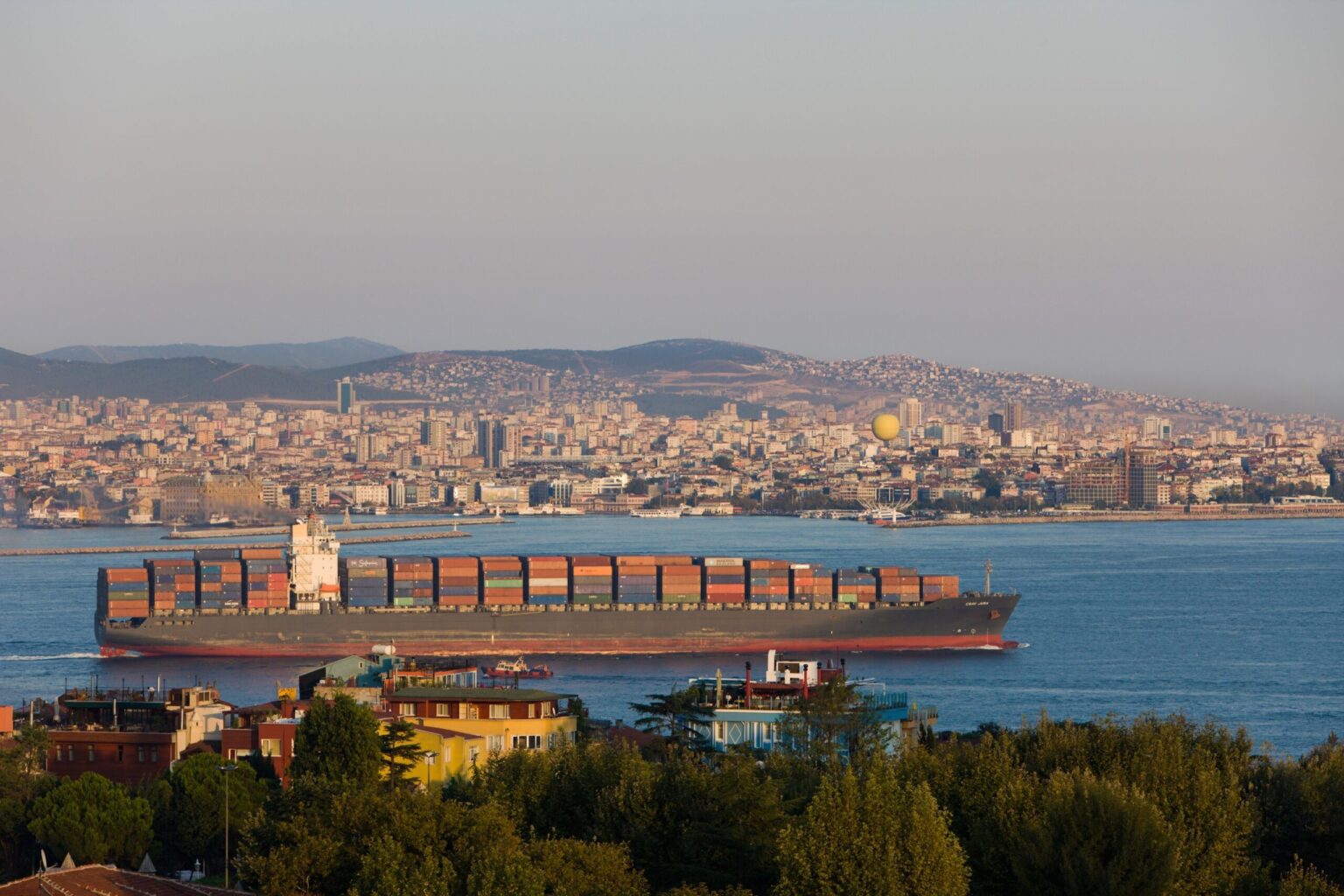
Turkish exports fell 6.4 percent year on year in March to nearly $22 billion, Trade Ministry data showed, while imports rose 8.4 percent to about $33 billion, leaving a monthly deficit of $11.3 billion.
The fall in exports was most pronounced in trade with Gulf states, with outbound shipments down nearly 37 percent at just $1.2 billion. Turkey’s import costs from the Gulf region rose 3 percent to $1.6 billion, due to higher energy prices.
The March figure took the three-month trade deficit to almost $29 billion, suggesting the 2026 total could eclipse last year’s gap of $92 billion, especially if the war continues to inflict collateral damage on Turkey and its trade partners.
Fallout from the conflict and the hit to exports was also seen in Turkey’s manufacturing sector, with industrial capacity usage at its lowest level since August 2020, the peak of the Covid pandemic. About three-quarters of the country’s manufacturing plant was operational in March, according to data released by state statistics agency Turkstat.
The conflict is just the latest in a series of blows to Turkish industry, according to Abdülkadir Çelenk, head of an organised trade zone in the southeastern province of Adıyaman, an area hit by earthquakes in 2023.
The war adds to the pressure of economic recovery, he told AGBI, with industrial producers and exporters in particular feeling the burden.
“With fuel prices having gone up more than 50 percent, logistics costs will hit us and choke profits,” he said.
“Manufacturing was already under pressure and now with the cost of the war it is not just one sector but across all the sectors that the… war is being felt.”
Further reading:
Since the beginning of the war in the Gulf, the Turkish lira has experienced a managed depreciation, easing marginally from 43.9 to 44.5 to the dollar as of April 6, though this has also come at a cost.
During the past month, the central bank has burned through its foreign-exchange and gold holdings to shore up the lira, part of a policy to keep inflationary pressures in check.
The bank’s reserves fell $22 billion in the week ending March 27 to $155 billion, data released on April 2 shows. This decline comes on top of outlays of about $12 billion in the week to March 20 and more than $6 billion in the preceding week.
The strategy may be working, at least to some degree. Monthly inflation came to just under 1.94 percent in March, according to an April 3 report from Turkstat, taking annualised inflation to 30.8 percent, down from February’s 31.5.
Economist Mustafa Sönmez told AGBI that the latest CPI report felt detached from reality, particularly since energy prices rose 5.4 percent in the month.
“People are feeling the increases in fuel and food prices, but the numbers don’t reflect it,” he said. “Even Turkstat’s own expectations survey was higher.”
The central bank announces its next interest rate decision on April 22.
Prior to the outbreak of war in the Gulf, expectations had been that the bank would cut its policy lending rate from 37 percent.
With increasing pressure on the lira, there is now speculation the bank will hold off on any cuts or even change course and enact a rate rise, said Sönmez.