
Power prices have been implicated, and the closure of the wood, paper and pulp companies (Carter Holt Harvey, Kinleith, Raetihi and now possibly Kaitāia) indicates the reality.
The affected councils are discussing appealing to the Government to intervene, but the ambulance at the bottom of the cliff doesn’t solve the problem at the top.
Statements have been made about New Zealanders not eating sufficient vegetables.
World data reports that per capita consumption is not large in comparison with some countries.
However, data from the Food and Agriculture Organisation of the United Nations (2025) indicates that since 1985, New Zealanders have met dietary guidelines (250g per person per day) and are now at almost 380g/day (noting that this figure does not correct for waste at the domestic level).
Further, “not eating enough” doesn’t explain why supermarkets are choosing to stock processed vegetables from other countries. And fruit … including the canned peaches once synonymous with Watties.
The point is price – that people want food to be cheaper.
Supermarkets are battling each other to provide what is wanted.
New Zealand growers can’t compete in the cost of production with some other countries.
They aren’t alone.
At the end of March, the Federal Government of Canada launched a trade inquiry on global imports of frozen and canned vegetables.
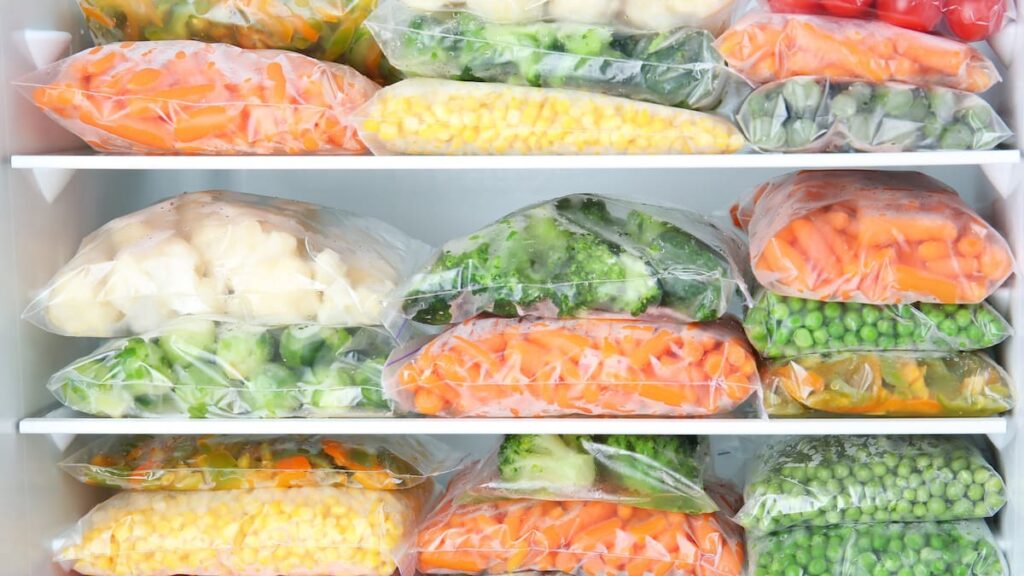
The inquiry is looking into imports of chickpeas, wax beans, corn, peas, green beans and other vegetables.
Some have not been disrupters for New Zealand because we don’t grow them, but New Zealand-grown peas and corn have been family staples.
The Canadian tribunal will also be considering the impact of imports on food affordability and food security for Canadian households.
How far the investigation will go is not clear, but in New Zealand, red tape, paperwork, lack of chemicals, minimum wage and employee benefits (the cost of work-life balance) are all at play.
Various reports have indicated that “ease of doing business” is high (New Zealand ranked number one in 2017), but establishing a business is not the same thing as keeping it running.
Reports from the Productivity Commission have explained that “poorly designed and over-burdensome regulation undermines investment and innovation” and that for small businesses (which account for 97% of businesses in New Zealand), “reducing regulatory burdens will unleash their potential and foster a more dynamic, competitive economy”.
This is what the current Government has been trying to do – reduce the regulation required without dropping standards on the outcome.
“When businesses have to jump through endless hoops just to operate, all New Zealanders pay the price in higher costs, fewer choices, and slower growth,” the report said.
In the case of processing plants, the higher costs mean closure, because food can be sourced from overseas more cheaply.
The question might be being asked by importers about wages and employee benefits in the countries from which the food is being sourced, the source of the cheaper power (renewable or fossil), or indeed, the environmental standards around water use and discharge and GHG emissions.
But if the consumer doesn’t ask the question, the importer might not either.
This has been the experience of the pork industry.
Approximately 60% of the pork consumed in New Zealand comes from overseas.
Imported products are subject to the same food safety regulations as in New Zealand, but not necessarily the same animal (including human) welfare regulations or environmental concerns.
Now there are concerns about salmon.
The supermarkets are clear that “customer affordability is a key consideration” in sourcing.
Will Foley, Central Hawke’s Bay mayor and a farmer, has summed up the reaction to the news of closures: “I guess we’re all sitting here wondering why what we think is a pretty good food-producing region is struggling to produce and compete with imported food products?”.
The answer is in our own hands.
Buy New Zealand-grown whilst supporting regulatory changes – the result will be good for all of us.
– Dr Jacqueline Rowarth, Adjunct Professor Lincoln University, is a farmer-elected director on Ravensdown and DairyNZ and a member of the Scientific Council of the World Farmers’ Organisation.