
09
Apr 2026
Poland is keeping its border checks with Germany and Lithuania active for six more months. These checks will now stay in place until October 1, 2026 as officials want to manage migration and keep the country safe.
The Interior Ministry first started these checks at specific crossings in July 2025. They claimed that the extension helps manage the number of people crossing into Poland from other European Union countries.
Migration drives extension
Polish officials are linking the extended border checks to their plan to limit unofficial migration routes through the country. The government wants to stop people who enter the EU through Belarus and Lithuania from heading west to Germany.
Deputy Interior Minister Czeslaw Mroczek described the aim as maintaining “control over the east-to-west migration traffic” across Poland.
Officials also mentioned tension at the eastern border. Poland accused Belarus and Russia of helping migrants from the Middle East and Africa travel to Belarus to try to enter EU states. Both countries denied those claims.
The Interior Ministry stated that the extension helps “counteract illegal migration and ensure internal security,” showing that the government still worries about migration flows.
Border checks continue
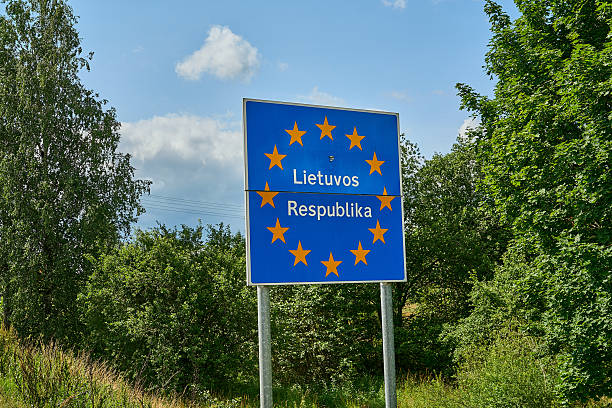
The controls apply to selected crossings on Poland’s western border with Germany and its northeastern border with Lithuania.
Border officers are authorized to stop vehicles and request identity documents. The measures are not applied uniformly but focus on key transit points.
According to government data, the checks cover 52 locations along the German border and 13 along the Lithuanian frontier. Major crossings include Świecko, Olszyna, and Kołbaskowo in the west, as well as Budzisko and Ogrodniki in the northeast.
The system allows authorities to monitor movement without closing borders entirely, though it still disrupts travel and logistics.
(Image courtesy of Jens Otte via iStock)
Transport delays reported
The continued checks have affected transport, especially freight traffic moving between Poland and its neighbors.
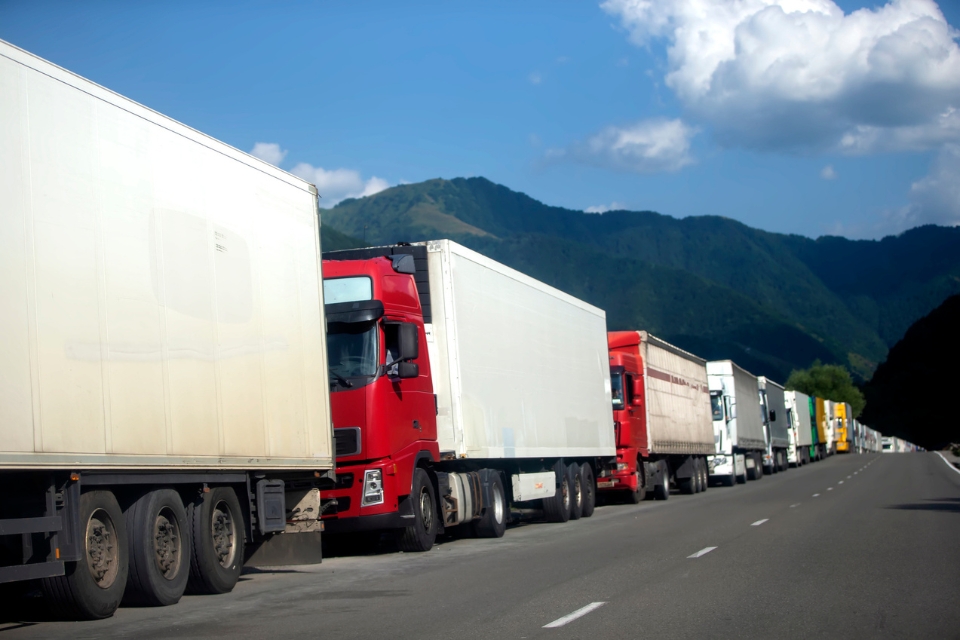
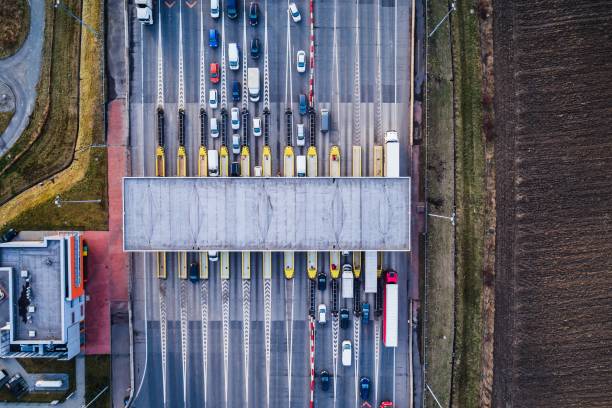
Truck drivers have reported waiting times of more than an hour at some crossings. Long lines of vehicles have formed at key points, with congestion visible at border roads connecting Poland and Germany.
Haulage companies and business groups said that the controls slow both road and rail traffic, particularly during peak periods. Even selective checks can create bottlenecks when traffic volumes are high.
The delays add pressure on supply chains that rely on cross-border movement within the EU’s single market.
Tensions with Germany
The extension comes amid ongoing friction between Poland and Germany over migration management.
Prime Minister Donald Tusk has argued that Germany’s border policies contribute to migrants being sent back into Poland, increasing pressure on Polish authorities.
Germany has maintained its own border controls with Poland since 2023. German officials recently extended those measures for another six months, mirroring Poland’s timeline.
The overlapping controls have created a situation where both countries are managing migration flows at their shared border, complicating coordination within the Schengen area.
(Image courtesy of djedzura via iStock)
Schengen rules under strain
Poland’s decision fits into a broader pattern across Europe, where several countries have reintroduced internal border checks.
Under the Schengen Code, EU member states can temporarily restore border controls if they identify a serious threat to public order or internal security. These measures can be renewed in six-month periods.
Poland’s extension reflects that legal framework, as well as a wider shift away from the passport-free travel that typically defines the Schengen zone.
Other EU governments have taken similar steps in response to migration pressures, indicating a coordinated but fragmented approach across the bloc.
Controls reshape travel
The continuation of checks underscores Poland’s role as a transit country for migrants heading toward Western Europe.
Authorities are attempting to manage flows across their territory while balancing obligations within the EU. The measures allow for monitoring and enforcement without fully closing borders, though the impact on travel and trade remains visible.
For businesses and drivers, the extension means continued delays and uncertainty at key crossings. For policymakers, it signals that migration pressures have not eased.

(Image courtesy of Aayush Srivastava via Pexels)
Six-month extension confirmed
The extension of Poland’s border controls until October 1 keeps a temporary measure in place for more than a year since its initial introduction.
Officials maintained that the checks are necessary under current conditions. At the same time, the move reflects ongoing challenges within the EU over migration and border coordination.
With similar measures in place on both sides of the Polish-German border, internal EU travel continues to face interruptions that were once rare under the Schengen system.