

WASHINGTON (7News) — A growing number of states are cracking down on some of the most dangerous drivers on the road — so-called “super speeders,” repeat offenders who push far beyond the limit — with a new kind of penalty: technology that can physically stop them from speeding.
The push comes as victims and safety advocates warn that speeders are responsible for a disproportionate share of deadly crashes.
RELATED | Virginia to install anti-speeding device in vehicles of reckless drivers under new law
Deborah O’Garro-Kelly knows that reality firsthand.
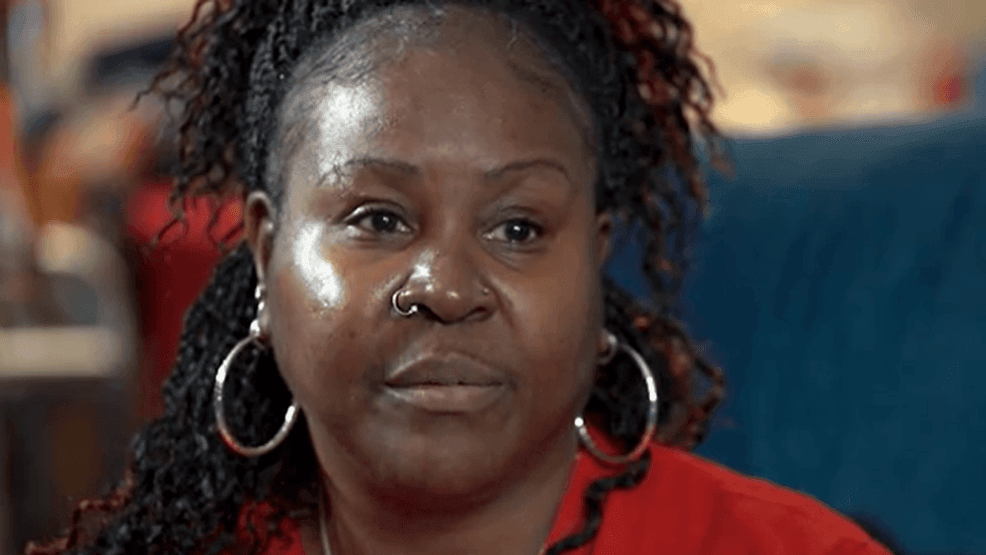
She and her husband were walking to the post office when a driver struck them in a Washington, D.C., crosswalk in a school zone. She survived. Her husband, Alton, who was legally blind, did not. Investigators said he was dragged 900 feet — the length of three football fields — before the driver sped away.
It took 10 months before he was arrested and charged with, among other things, reckless driving: going at least 20 miles an hour over the speed limit, or showing conscious disregard for the safety of others.
I just feel numb. I feel like I’m in the world, but I feel numb. I feel like this man stole my life,” said O’Garro-Kelly.
The couple had been married for four and a half years, but had known each other since she was 17. She described her husband as someone who made people laugh and feel special.
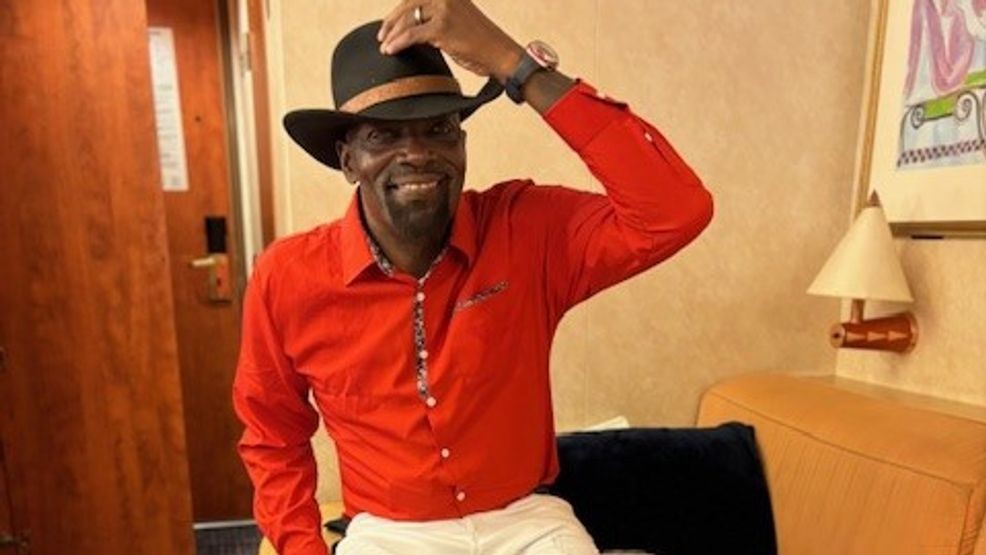
Deborah O’Garro-Kelly says her husband Alton was the light in every room he entered. Photo: Deborah O’Garro-Kelly.
“It’s sad that a human being could get ran over like they a piece of trash. And I wish I could have saved my husband,” she said through tears.
O’Garro-Kelly was unconscious after the crash. She suffered broken bones in her back, pelvis, right leg and left hip. She spent a month in the hospital and has undergone four surgeries, with more ahead.
“It changed my life tremendously. I was a healthy person. I worked. I went from one medication to nine different medications,” she said.
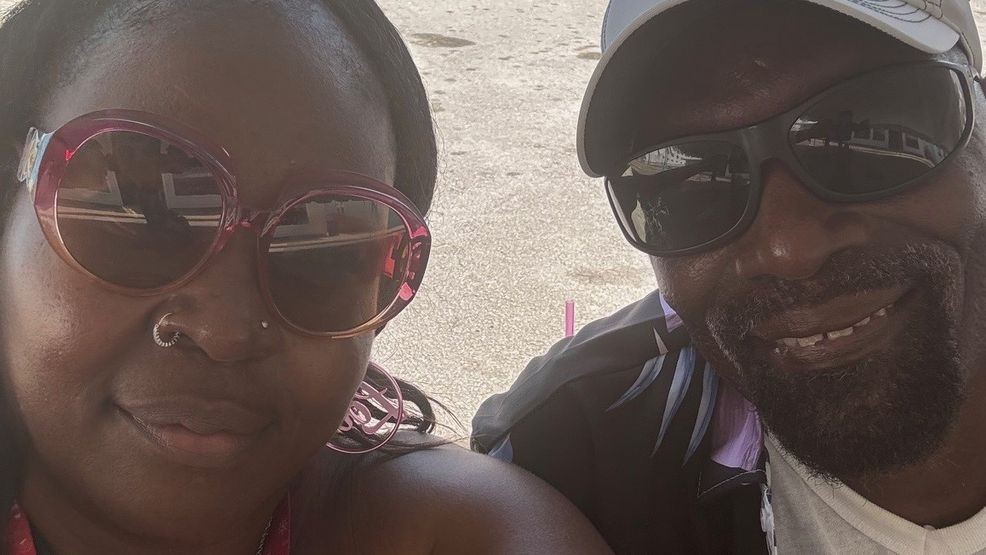
Just months before he was killed, Deborah says she and Alton were able to take a beautiful trip to the Bahamas together. Photo: Deborah O’Garro-Kelly
Traffic safety advocates said cases like O’Garro-Kelly’s are not isolated incidents.
“One in every four fatal crashes involves speeding,” said Cathy Chase, president of Advocates for Highway and Auto Safety.

Cathy Chase, President of Advocated for Highway and Auto Safety,{ } says a small number of extremely dangerous drivers cause a disproportionate number of serious crashes. Photo: SBG
Chase said a relatively small group of repeat, extreme speeders is responsible for an outsized share of the danger on American roads.
We have all had an experience of someone flying by us on a roadway and thinking, ‘We’re at risk right now.’ Like something, one little slip of a steering wheel and I could be killed and that’s terrifying,” she said.
Now, some states are trying a new approach — not just fines or license suspensions, but technology designed to prevent speeding in the first place.
The systems, known as Intelligent Speed Assistance devices, or ISA’s, are installed in a vehicle and connected to the accelerator. When a driver exceeds the speed limit, the system can limit acceleration.
“What it does is it controls the accelerator and once the person is trying to speed over the speed limit, it will stop you,” said Brandy Nannini of Smart Start, a company that manufactures one of the devices.
During a demonstration drive, once the vehicle reached the speed limit, it began beeping and would not accelerate further.

Brandy Nannini of Smart Start demonstrates the speed limiting technology that prevents drivers from exceeding posted limits. Photo: SBG
“I’m flooring it right now,” Nannini said, as the vehicle did not accelerate past the posted speed limit.
The goal is to intervene when drivers have repeatedly shown they will not slow down on their own.
Your right to speed shouldn’t interfere with someone else’s right to live,” said Nannini.
Recent crashes underscore the stakes.
In Maryland, Montgomery County Police Sgt. Patrick Kepp lost both legs after investigators said a serial speeder, traveling more than 100 miles per hour, struck him on Interstate 270 as he attempted to stop the driver. Authorities said Kepp was deploying ‘stop sticks’ in the roadway — a tool used to deflate tires and end dangerous pursuits — when he was hit. Raphael Mayorga of Frederick, 19, intentionally slammed into him, according to police. Mayorga was sentenced to 22 years in prison.
In Northern Virginia, 15-year-old Annie Vu and her grandmother, Su Nguyen, were killed on Christmas Day 2025 when a pickup truck going more than 100 miles per hour crashed into their family’s minivan as they drove home from holiday dinner.
In Washington state, a teen driver going 112 miles per hour ran a red light and killed a mother and three children. Investigators said the driver was going nearly three times the speed limit and that excessive speed was a primary factor in the crash.
Washington state and Washington, D.C., were among the first jurisdictions to adopt laws authorizing or requiring speed-limiting technology for certain offenders. Virginia has followed, and Maryland may be next.
A bill sponsored by state Sen. Jeff Waldstreicher has cleared both chambers and is expected to pass as early as April 10, 2026. It would launch a pilot program for the state, targeting the worst offenders.

Maryland State Senator, Jeff Waldstreicher, introduced a bill to establish a pilot program in Maryland using ISA devices that would target the worst offenders. Photo: SBG
This device is for people who are going 30, 40, 50 miles per hour above the speed limit – the folks that are super speeders in our community, they pose a real danger to my family and to yours,” Waldstreicher said.
Waldstreicher named the bill after Kepp.
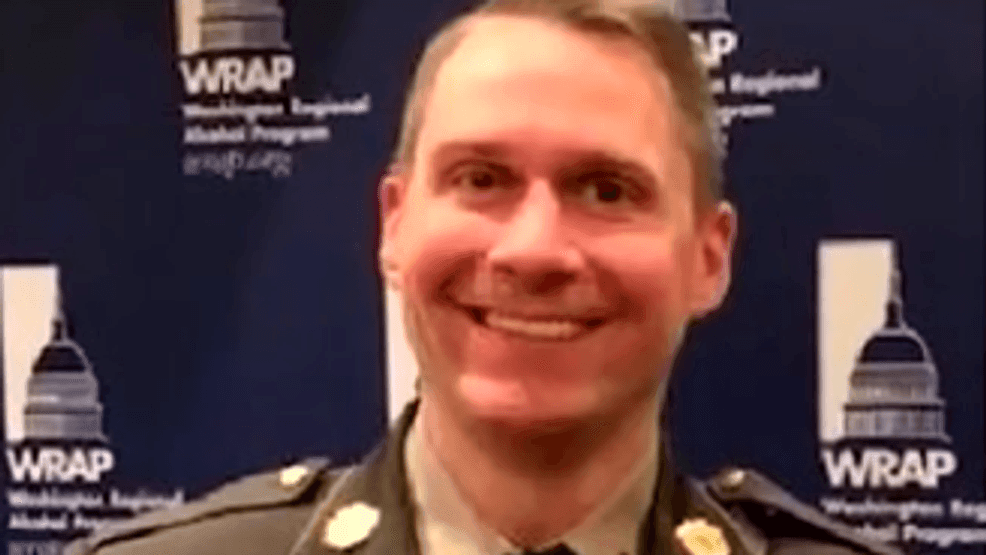
Montgomery County Police Sgt. Patrick Kepp lost both legs after being struck by a driver traveling more than 100 miles per hour on I-270 while he was deploying stop sticks to stop the vehicle. Photo: Montgomery County Police
“Sergeant Kepp has been involved since that accident in passing legislation here in Annapolis to make our roads safer”, said Waldstreicher. “If the person who struck Sgt. Kepp had this device in his car; Sgt. Kepp’s assault would not have been possible.”
For Deborah O’Garro-Kelly, this is about stopping the kind of reckless driving that can destroy lives in seconds.
The man who killed her husband, Alton Kelly, agreed to a plea deal that resulted in 180 days in jail and a $100 fine.
If I can’t get justice one way, can I get it this way of getting these lawmakers to pass the bill of the speeding. It has to stop. it has to stop,” she said.
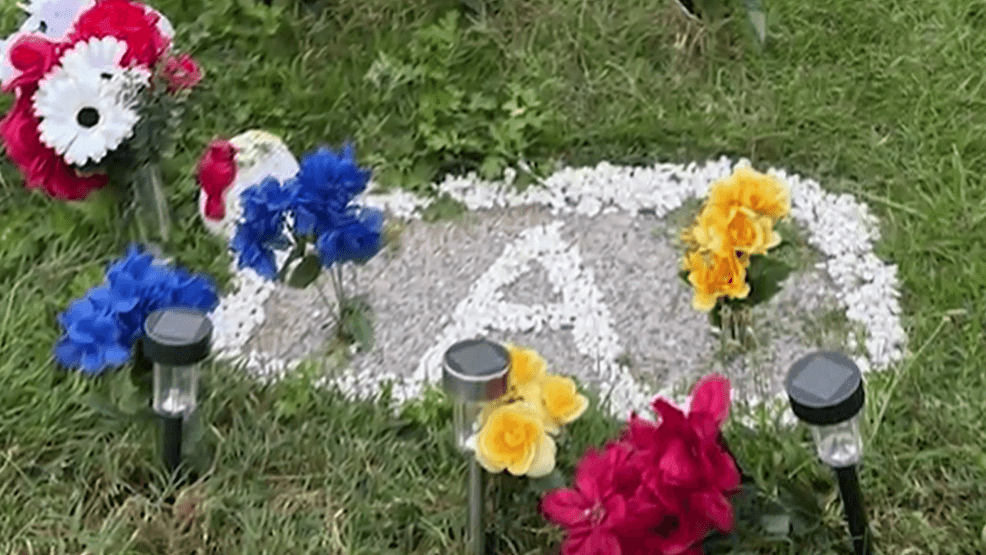
This is the grave marker that designates Alton Kelly’s burial site. Photo: Deborah O’Garro-Kelly
At least a dozen other states are now considering similar legislation that would require speed-limiting technology for repeat or extreme speeders, signaling what advocates hope could become a nationwide shift in how the most dangerous drivers are handled.