
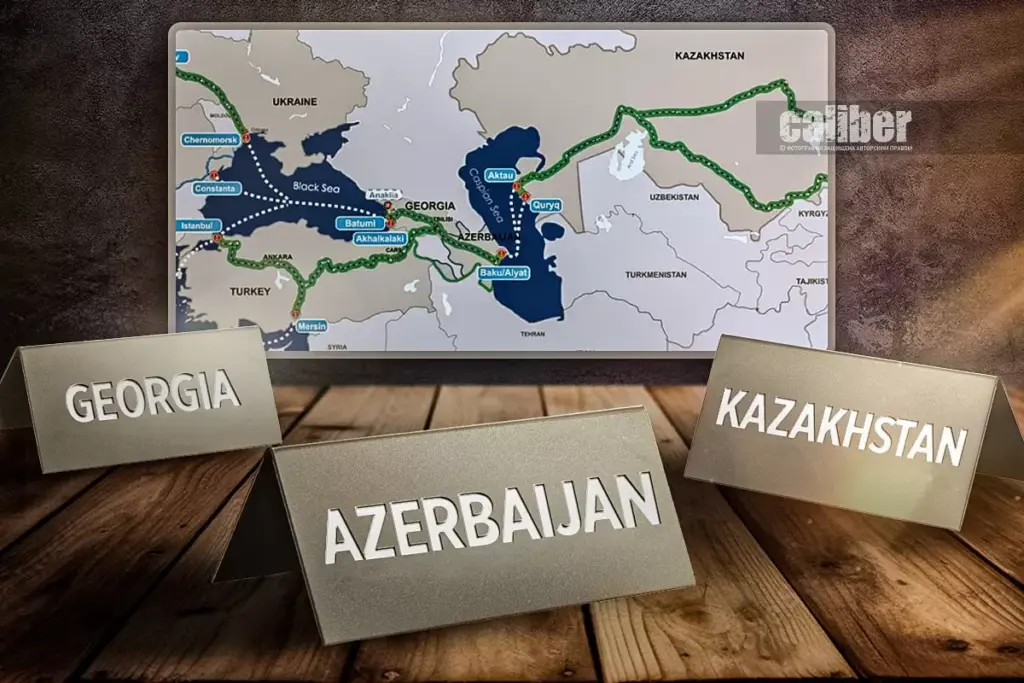
Recent geopolitical developments, especially the “hot phase” of the war between the United States and Iran, have had a dual impact on Kazakhstan. On the one hand, rising prices for oil, fertilisers, and, in the future, food—triggered by this conflict—benefit the country as a major exporter of these resources. On the other hand, Kazakhstan has no access to the open sea, which raises concerns about the stability of its export supplies to foreign markets.
The US–Israel war against Iran has cast doubt on plans to develop Kazakhstan’s southbound transit routes, while the Russia–Ukraine war poses risks to transit through Russian territory. As a result, the importance of Azerbaijan and Georgia for Kazakhstan has increased significantly.
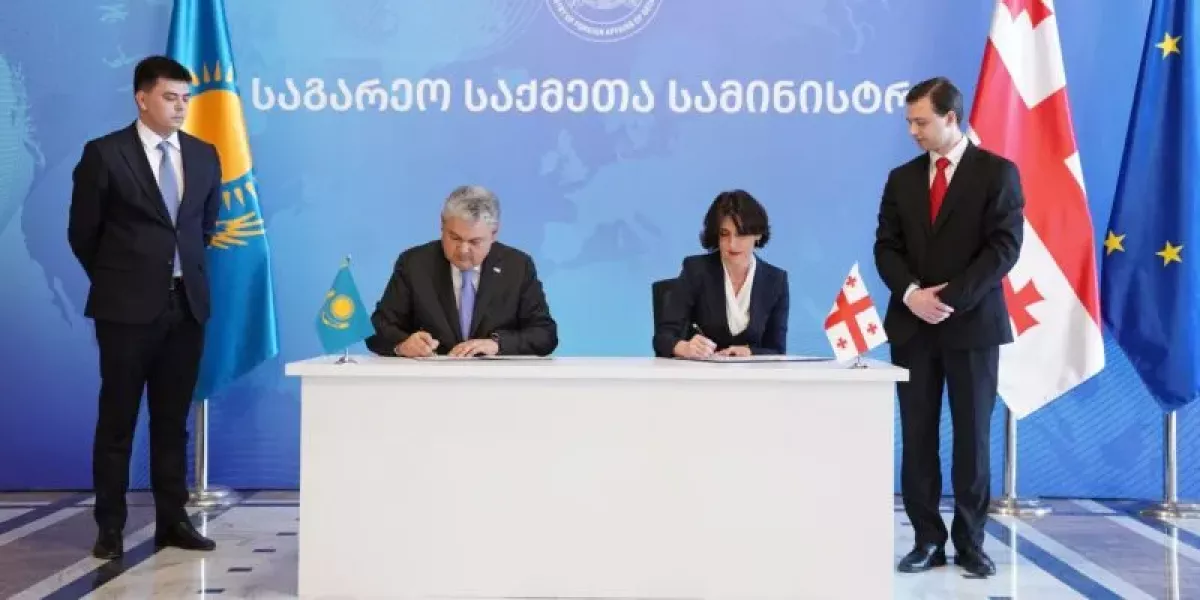
In these circumstances, on April 7, 2026, an official visit to Georgia took place by a delegation led by Kazakhstan’s Foreign Affairs Minister, Yermek Kosherbayev. In Tbilisi, Kosherbayev held meetings with Georgia’s Foreign Minister, Maka Botchorishvili, and Prime Minister Irakli Kobakhidze.

Following the talks, the foreign ministries of the two countries signed a cooperation program for 2026–2027. During the meeting with the prime minister, special attention was given to the project of a new multimodal terminal in Georgia’s port of Poti, seen as an important link in the logistics chain of the Middle Corridor.
For Kazakhstan, the Middle Corridor is of particular importance also because Kazakh companies already possess their own logistics capacities in Georgia on the Black Sea coast.
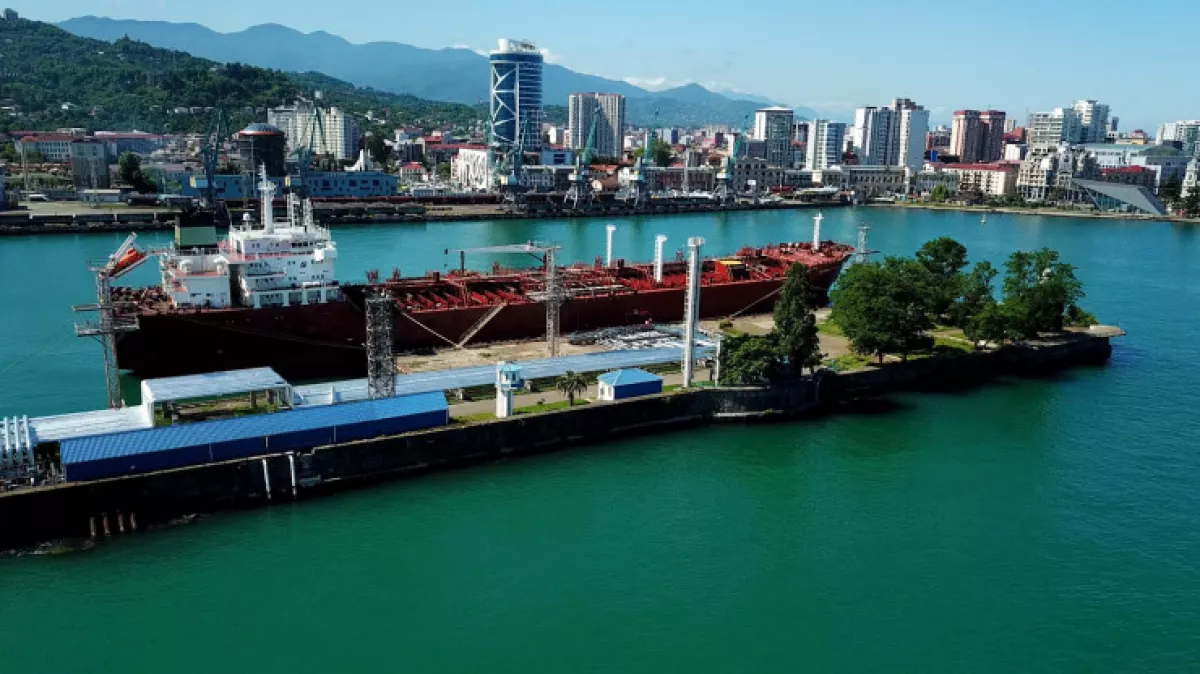
Among them, particular note should be made of the Batumi Sea Port with its oil terminal, previously owned by KazTransOil, as well as the multimodal terminal of the Kazakh transport and logistics company PTC Holding, commissioned in 2025 at the port of Poti. In addition, a mineral fertiliser terminal has been built at Batumi Sea Port, through which the first export shipment of Kazakh ammophos was dispatched in February 2025.
To assess how rapidly the importance of Kazakhstan’s transit through Azerbaijan and Georgia may grow, it is sufficient to analyse the situation with supplies of one of the country’s key export commodities—oil—to foreign markets. At present, the bulk of Kazakhstan’s oil exports is carried out via the Caspian Pipeline Consortium (CPC), an international oil transportation company that operates a trunk pipeline linking the oil fields of western Kazakhstan with a marine terminal near Novorossiysk.
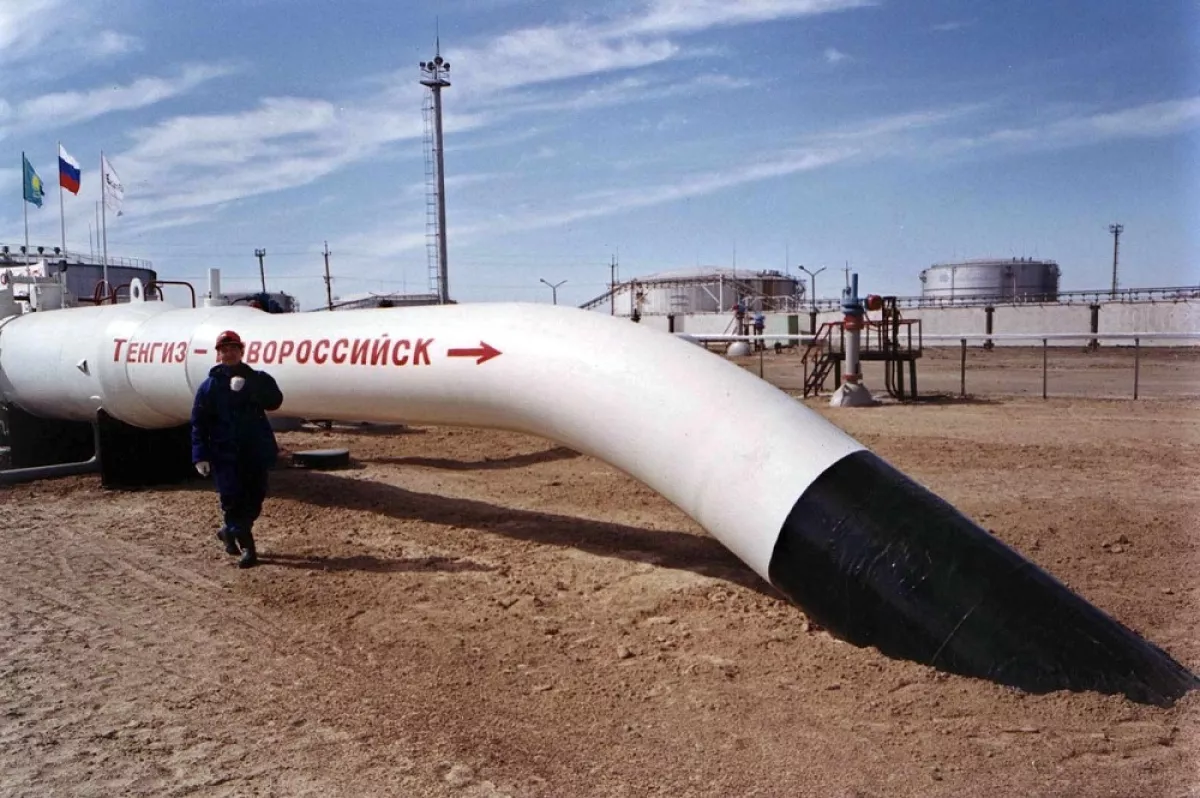
By the end of 2025, the volume of oil transit through the CPC system exceeded 70 million tons, despite the fact that military developments had begun to negatively affect the operation of this infrastructure.
On February 17, 2025, a drone attack damaged the CPC’s Kropotkinskaya oil pumping station. On November 29, 2025, an attack by unmanned surface vessels in Novorossiysk damaged a CPC offshore mooring facility, temporarily reducing its capacity by half. Its operations were only fully restored by early 2026.
Amid the problems with the CPC terminal in Novorossiysk, Kazakhstan partially redirected its oil exports in late 2025 and early 2026 toward a more “northern” route—via Russian territory. Supplies through the Atyrau–Samara pipeline increased, followed by onward transportation to the port of Ust-Luga on the Baltic Sea.
Until recently, many experts viewed the Baltic Sea as relatively safe in terms of military risks. Kazakhstan regarded Ust-Luga as the primary “backup option” for oil exports in case of disruptions in Novorossiysk. However, in recent weeks, the Russia–Ukraine “drone war” has been rapidly expanding its geographic scope.
From March 25 to April 7, 2026, drones regularly targeted Russian ports in the Baltic, primarily the key export and transit hub of Ust-Luga. The most intense and destructive strikes occurred on April 5, 2026. At the same time, attacks on Novorossiysk resumed. On the night of April 6, 2026, according to Russia’s Defence Ministry, facilities of the maritime transshipment complex in the city were once again targeted.
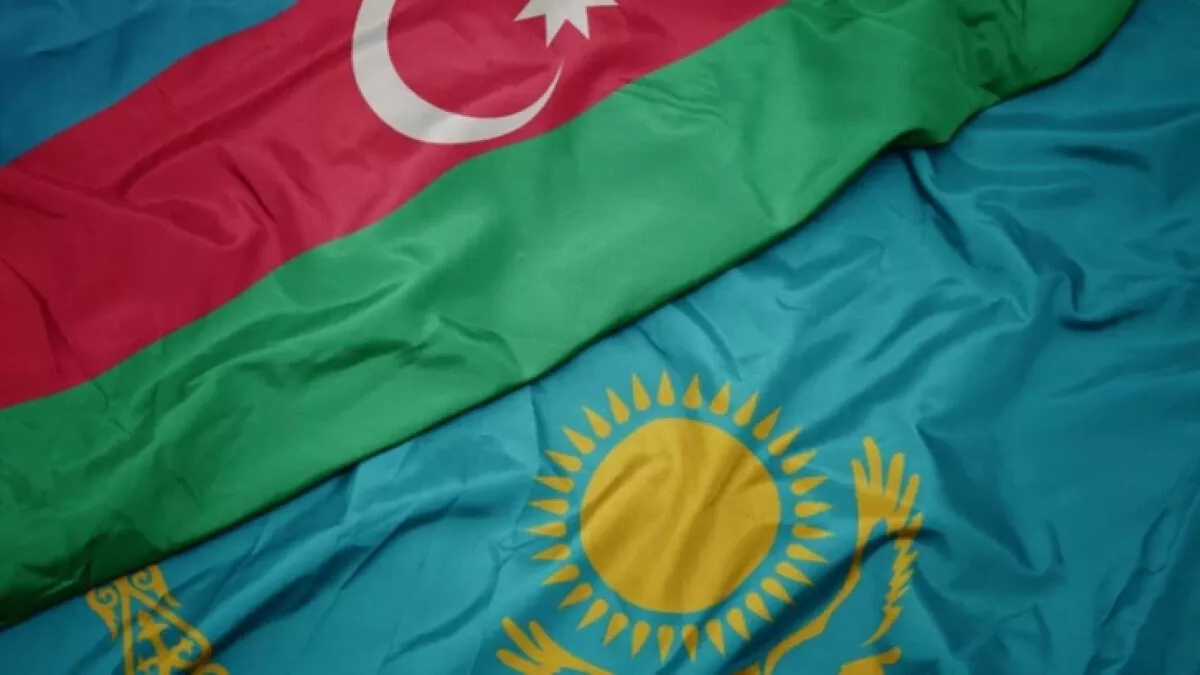
Clearly, as long as the Russia–Ukraine war remains unresolved, Kazakhstan’s oil exports via Russian territory will remain vulnerable. Aware of these potential military risks, Kazakhstan is already taking steps to redirect part of its oil and other goods exports from the Russian route to the Trans-Caspian International Transport Route (TITR), through the Caspian Sea, Azerbaijan, and Georgia.
The State Oil Company of Azerbaijan Republic (SOCAR) and KazMunayGas signed an agreement back in 2022 on the transportation of 1.5 million tons of Kazakh oil per year via the Baku–Tbilisi–Ceyhan (BTC) pipeline. In March 2024, an additional agreement was signed to gradually increase transit to 2.2 million tons per year. In November 2024, Kazakhstan’s Energy Minister, Almasadam Satkaliyev, stated that Kazakhstan was studying the possibility of increasing annual oil supplies through the BTC pipeline to 20 million tons. Such volumes appear achievable given that the BTC pipeline’s capacity is about 50 million tons per year, while actual transit in recent years has remained within 27–30 million tons.
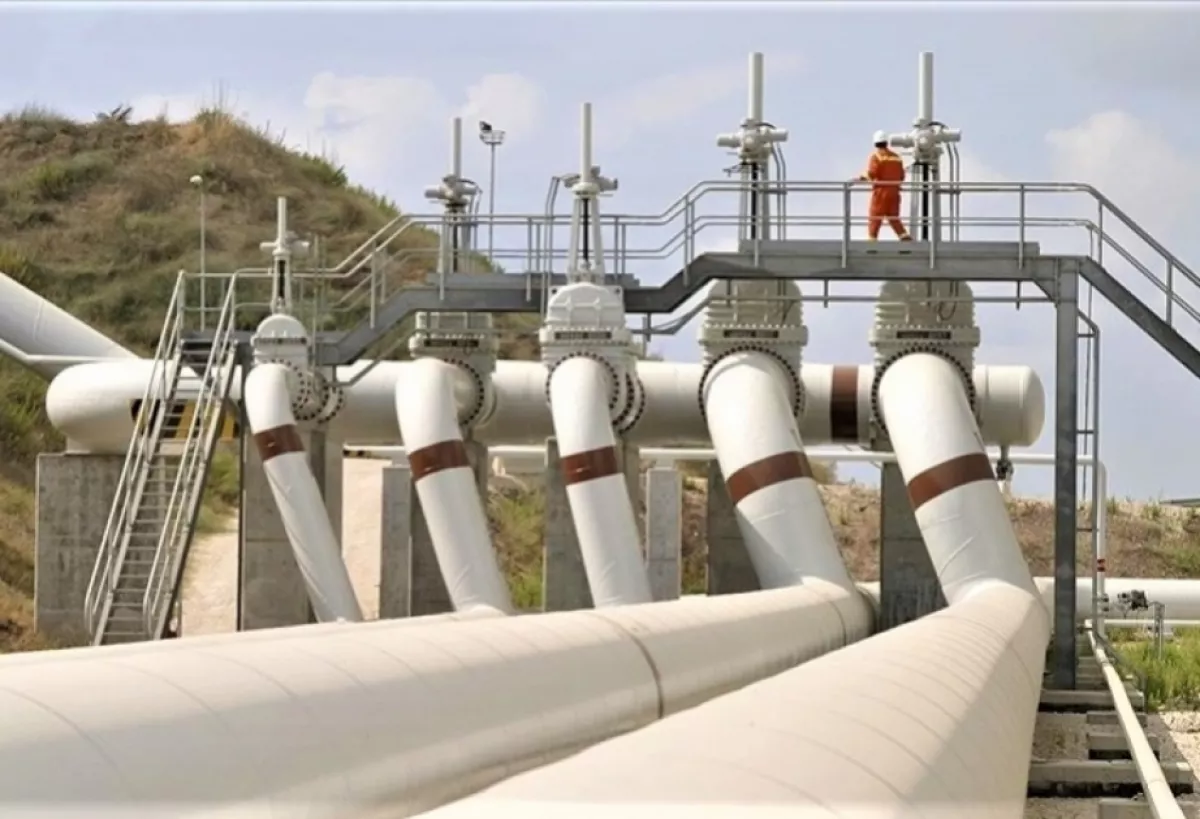
The BTC oil pipeline may soon become an important “insurance option” for Astana in the event of rising military risks affecting oil transshipment through Russian ports. At the same time, Kazakhstan is also considering the possibility of increasing the transit of its oil by rail.
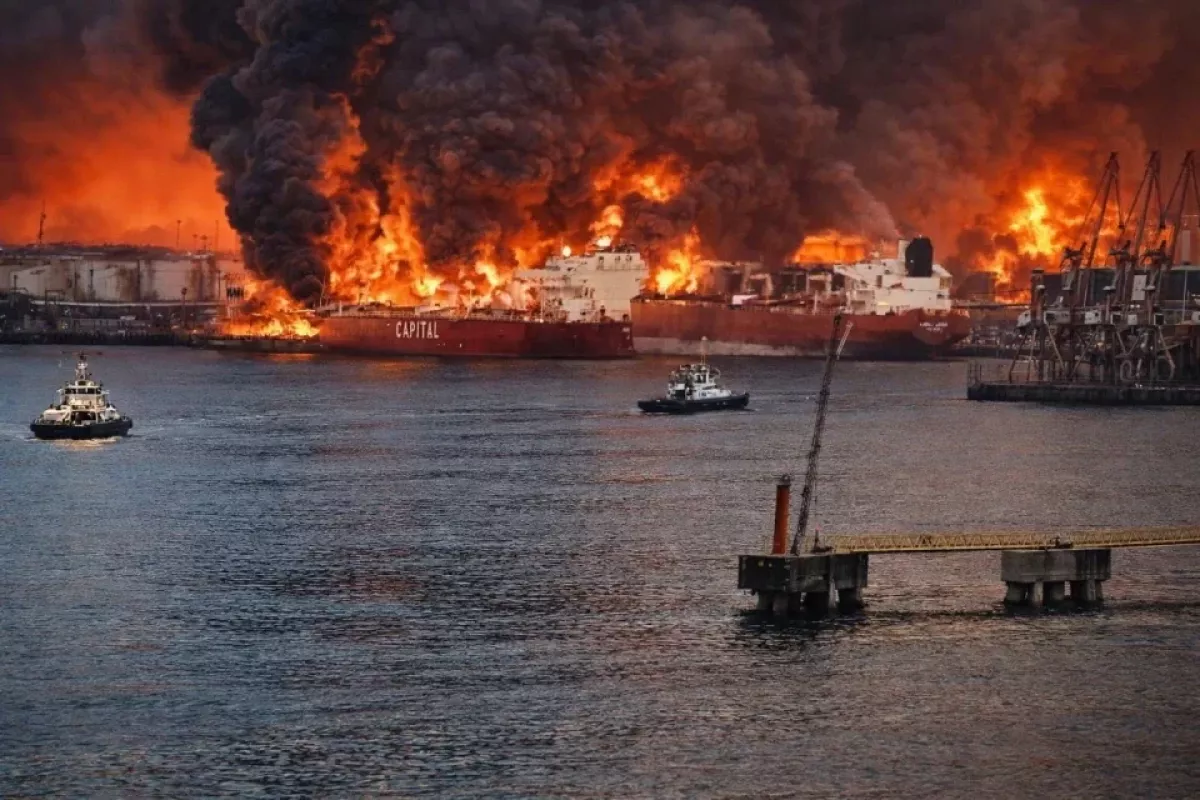
Drone strikes on the port of Ust-Luga, through which Kazakh fertilisers had also been transshipped until recently, have increased interest in the Georgian ports of Batumi and Poti as alternative routes for redirecting part of export flows.
By Vladimir Tskhvediani, Georgia, exclusively for Caliber.Az
The views expressed by guest columnists are their own and do not necessarily reflect the opinions of the editorial board.