
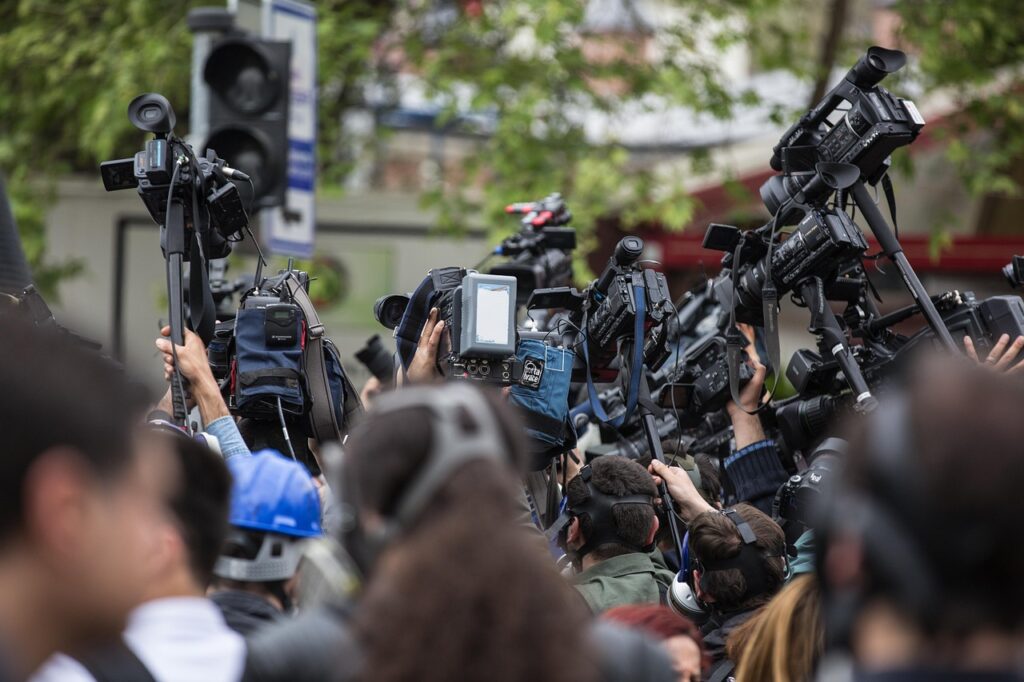
The UN human rights chief stated on Thursday that Serbia is facing growing concern over a steady erosion of civic space, with mounting evidence that pressure on journalists, civil society, and political dissent is becoming more systematic and harder to ignore.
UN High Commissioner for Human Rights Volker Türk urged Serbian officials “to ensure the rights to freedom of expression and peaceful assembly, and to uphold media freedom.”
Journalists reporting on government activity and protests in Serbia face increasing levels of intimidation, including threats, physical attacks, surveillance allegations, and strategic lawsuits designed to drain resources. Independent monitoring groups recorded a sharp rise in violence against media workers, alongside smear campaigns in pro-government outlets and growing impunity for perpetrators. Many incidents occur during politically sensitive moments such as elections or large demonstrations.
In early 2025 and into 2026, tensions also escalated during recurring anti-government protests led largely by students and civil society groups, particularly following the Novi Sad railway station collapse that triggered mass anti-corruption demonstrations.
A recent report classified Serbia as having “repressed” civic space, indicating severe restrictions on protest, media freedom, and civil society activity. Protest movements, including large-scale anti-corruption demonstrations following public tragedies, have reportedly been met with mass detentions, allegations of police force, and legal pressure on activists. Civil society organisations also describe increasing surveillance and politically motivated prosecutions.
International observers have repeatedly flagged issues such as unequal media access, pressure on opposition actors, weak oversight mechanisms, and raised questions about the fairness of political competition. At the same time, delays in implementing reforms and inconsistent enforcement of human rights protections continue to undermine public trust in institutions.