
 Sursa: captură video
Romania has planned a crackdown on second-hand imports: a draft emergency ordinance, prepared by the Environment Ministry in cooperation with the Economy Ministry, is designed to stop Romania from being used as a dumping ground for Europe’s waste under the false label of second-hand goods.
Authorities say the measures are necessary after years in which products officially declared as reusable were found to include unusable items that ended up discarded on Romanian soil.
Among the most significant measures are new restrictions on second-hand vehicle imports. Assuming the bill is passed, individuals will no longer be allowed to bring in unlimited numbers of used cars from abroad, with a proposed cap of two vehicles per year. Cars with a pollution standard below Euro 3 shall no longer be eligible for sale, while vehicles or agricultural machinery that have been declared total losses, taken out of use, or deemed ineligible for registration in their country of origin would also be barred from the Romanian market.
Environment Minister Diana Buzoianu said the aim is to stop what authorities regard as illegal commercial activity disguised as personal use. She argued that when individuals claim to be importing dozens of used cars for themselves each year, it is clearly a front for undeclared trade rather than legitimate private use. The broader goal, she said, is to prevent waste from entering Romania under the false label of second-hand products.
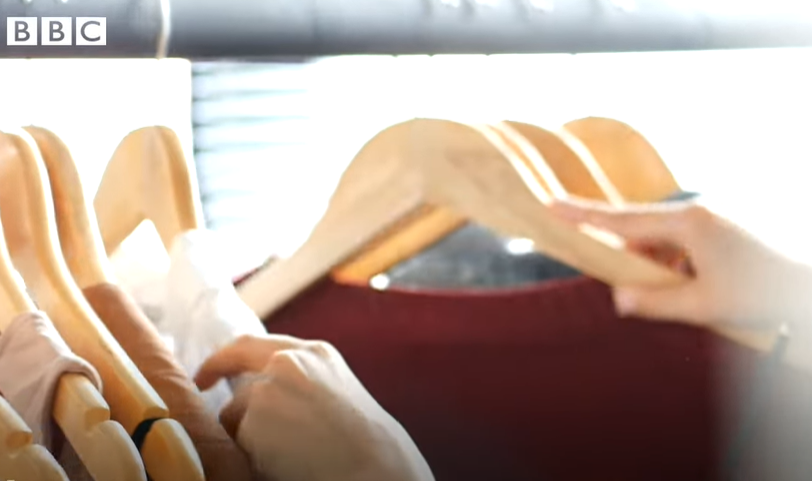
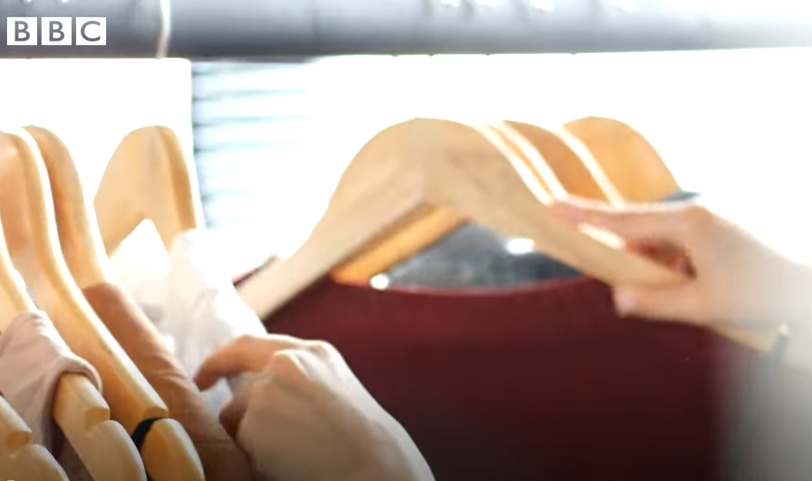
The draft ordinance also introduces stricter conditions for other categories of used goods. Clothing and footwear must be sorted, sanitized by authorized companies and individually labelled.
Similarly, second-hand furniture would need to be cleaned, disinfected and accompanied by detailed documentation on its origin, while the new rules are also meant to ensure it is safe for use.
Used tyres will face age limits of no more than ten years for summer tyres and six years for winter tyres, while also being required to be defect-free and fully inventoried.
Authorities argue that such measures are necessary to eliminate what they describe as a grey zone between reusable goods and outright waste. National Environmental Guard chief commissioner Andrei Corlan said inspectors had encountered shipments containing used diapers, worn underwear, single shoes without pairs and badly damaged footwear.
Before Romania joined the Schengen area, border authorities rejected over 20,000 tons of waste, with over 5,000 of those tons consisting of clothes and shoes alone.
In response, te textile reuse sector says that the ordinance would punish legitimate businesses rather than target illegal waste imports. The Romanian Association for Textile Reuse and Recycling, ARETEX, has called for the immediate withdrawal of the draft, warning that it risks producing the exact opposite of its declared aim, leading to less reuse and more waste.
According to the association, the ordinance would impose what it describes as suffocating requirements on lawful operators, including prior approvals, special registers, traceability applications, limits tied to the operating hours of public institutions, individual labelling for every item, fines of up to 100,000 lei and even the possibility of criminal liability for what the industry sees as administrative breaches.
ARETEX says the economic impact could be severe: industry estimates suggest more than 10,000 jobs are at risk, while the state budget could lose over 250 million lei a year if businesses are forced to close or scale back.
The association also warns that second-hand clothing prices will as a result rise sharply, directly affecting consumers in a country where — importantly! — more than half the population regularly buys used goods, often out of financial necessity.
Romania is a major consumer of second-hand products, particularly clothing, and specialized shops have become increasingly popular during a prolonged cost-of-living squeeze. If compliance costs rise to the point that second-hand prices approach those of new goods, industry representatives argue that reuse will become commercially unviable.
In a further irony, opponents of the draft say the main beneficiary would be the fast-fashion industry, which is one of the largest generators of textile waste. Instead of encouraging circular consumption, they argue, the ordinance would weaken reuse and push more consumers back toward cheap new clothing with a far higher environmental footprint.
Another major complaint concerns the operational burden placed on textile sorting facilities. Industry representatives say individual labelling may be manageable at retail level, where garments are already tagged for sale, but not at wholesale level, where goods arrive in sacks or bales weighing tens of kilograms and are processed in large daily volumes. Requiring item-by-item labelling in industrial-scale sorting ceners, they argue, would make the business economically uncompetitive. The same argument applies to mandatory washing and ironing. According to ARETEX, such requirements would make no economic sense for a garment sold for 20 lei in a second-hand shop. The association also contests provisions that would effectively restrict imports to the operating hours of the National Authority for Consumer Protection, warning that such rules could leave transporters waiting at the border for many hours and further inflate costs.
Beyond the immediate economic concerns, ARETEX says the draft may also conflict with European legislation on waste and the single market. The association argues that the ordinance runs counter to the logic of the circular economy by treating reuse, which is one of the most environmentally valuable practices, more harshly than waste disposal itself. It has also warned of possible infringement proceedings against Romania, saying the draft introduces administrative and commercial barriers and even references technical ISO standards that have not been agreed at EU single-market level.
A public debate is scheduled for April 16.