
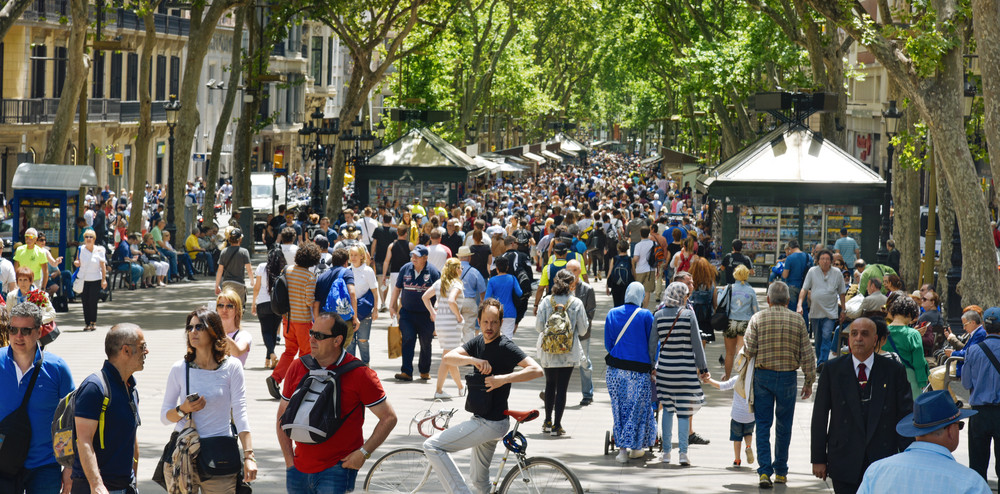
The Catalan government in Barcelona, Spain, has had enough of the city’s overtourism and just doubled the Tax on Stays in Tourist Establishments (IEET), also known as “tourist tax.” While the Catalan capital remains one of the most popular destinations for U.S. travelers, who, in return, fuel Barcelona’s economy, the government hopes that doubling the tourist fees would help combat the city’s overtourism problem.
The Parliament of Catalonia passed the new tourist tax legislation, which went into effect on April 1, and raised the fee this year, which will “gradually increase” across the rest of the region. Travelers, including Americans, will now pay an extra $14 per person per night.
Barcelona has since struggled with excessive numbers of tourists, and locals have previously taken to the streets, chanting at tourists to “go home,” highlighting the effects of overtourism, such as rising housing costs and eroding daily life.
American Travelers Face Double Tourist Tax In Barcelona, Spain
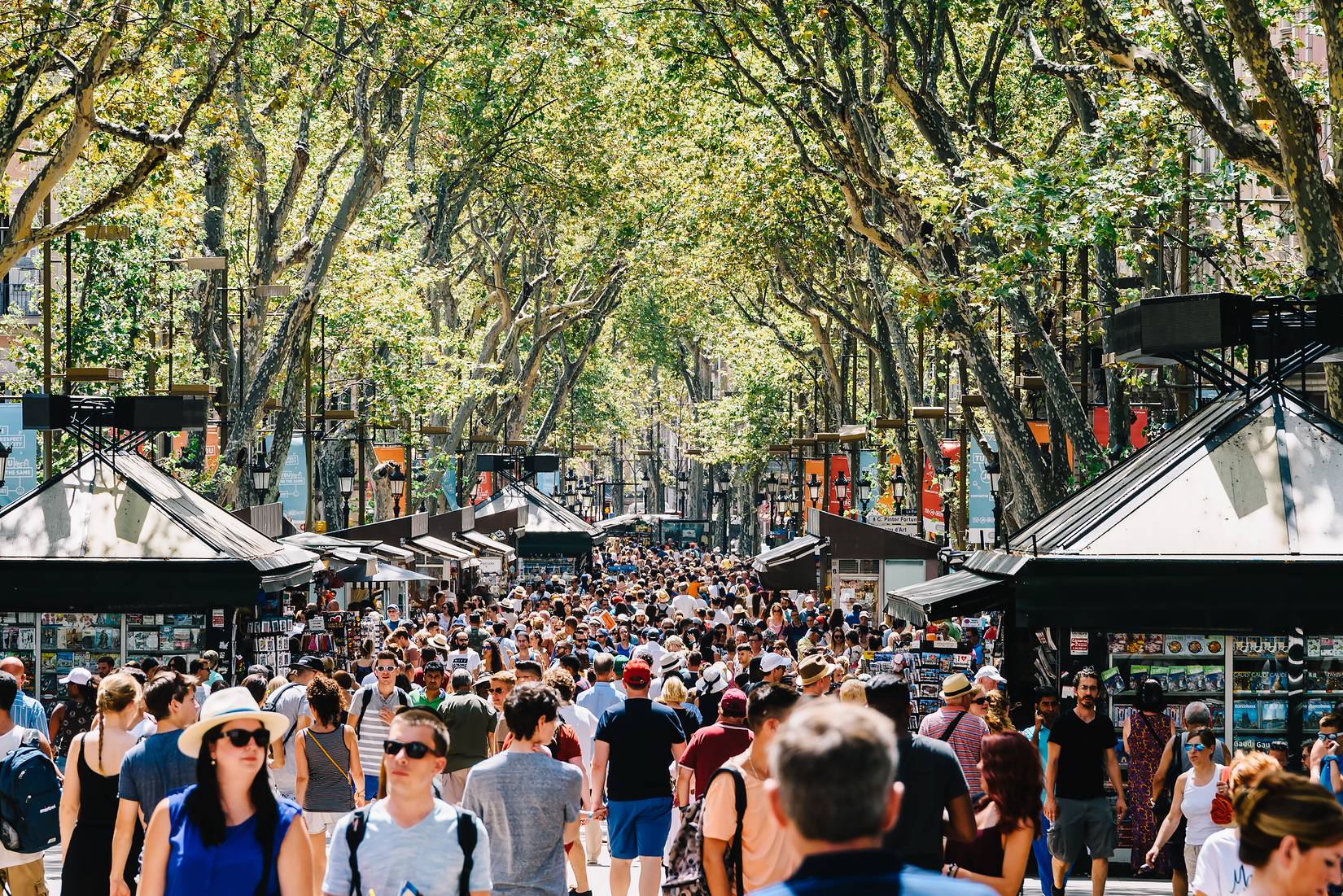
A crowd of people in central Barcelona on La Rambla StreetCredit: Shutterstock
Known for its vibrant nightlife, sandy Mediterranean beaches, and iconic architecture, Barcelona offers many amazing things to do, and it has long been a dream escape for many Americans. But the very people who help stimulate the city’s economic growth will have to pay twice the tourist tax on their next visit.
In a bid to fight overtourism, Americans and the rest of the tourists visiting Barcelona will have to pay up to $14 (or €12) per person per night—up from the previous $8 fee, depending on the type of accommodation. The tax obligation also includes tourists on cruise ships who stay in the Catalan capital for more or less than 12 hours.
The $14 tourist tax includes the “surcharge” in Barcelona establishments, which increases from $4.60 to $5.80 (four euros to five euros). According to the Parliament of Catalonia, the City Council of Barcelona also decided that the surcharge will increase by one dollar every year until 2029, with a maximum of nine dollars per night.
New Tourist Tax In Barcelona (Figures Rounded Off To The Nearest Dollar)
Establishment
Tourist Tax
Barcelona Surcharge
Total
5-star Hotels
$8
$5.86
$14
4-star Hotels
$3.90
$5.86
$9.80
Holiday lets (HUTs)
$5.20
$5.86
$11
Other establishments*
$2.30
$5.86
$8.20
Cruise ships, more than 12 hours
$4.60
$5.86
$10.50
Cruise ships, less than 12 hours
$7
$5.86
$12.90
About 25% of tourist tax revenue will go to the Generalitat’s housing policies, while 75% will be allocated to the Fund for the Promotion of Tourism.
A new, specific category of establishment is for hostels included in the Registre d’albergs de Joventut de la Generalitat de Catalunya. The tax rate for these establishments remains at $1.17 (€1).
The new tourist tax cost applies to all visitors, but it also falls squarely on a growing number of U.S. tourists in the Spanish hotspot. In 2024, Spain recorded 94 million tourist visits despite overtourism protests and unprecedented disasters.
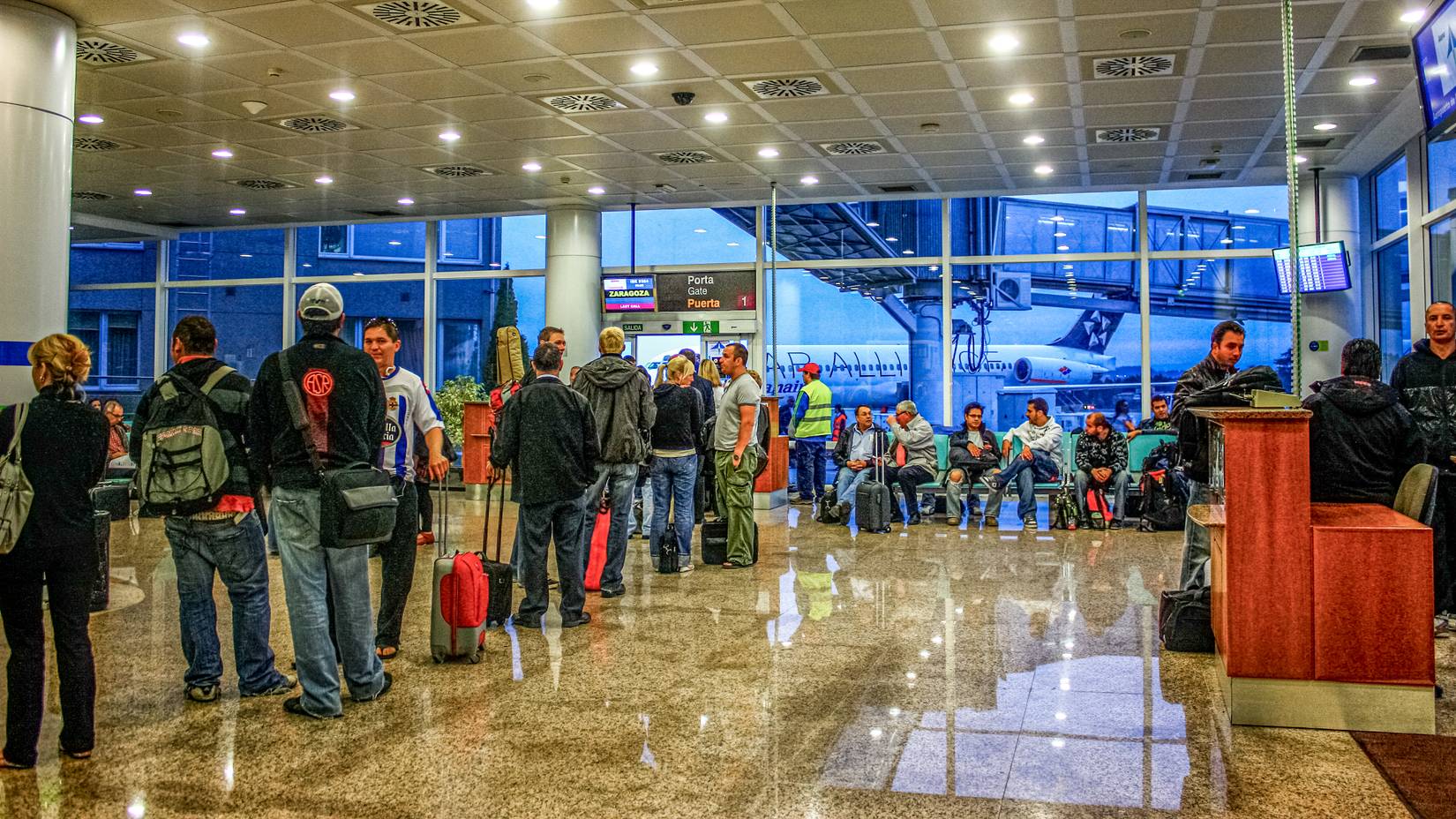
Passengers waiting to board at an airport during summer season in BarcelonaCredit: Shutterstock
But in 2025, Spain peaked at a new record of 96.8 million tourist visits, according to the data released by the National Statistics Institute.
Will Barcelona’s New Tourist Tax Hike Help Curb Overtourism?
The backlash from locals has been intensifying in Barcelona, following the significant influx of tourists arriving annually in the Catalan capital, including Americans who have been among the top long-haul visitors to the city. Overtourism has pushed Barcelona’s housing costs out of reach, and locals can no longer afford them.
So, in hopes of slowing down the tourists visiting the city, the government has increased the overnight tourist tax for all visitors, but locals think otherwise.
Christian Llorach, a native of Barcelona, told TheTravel in an interview that the higher tourist tax in the city will not help curb overtourism and the affordability that locals hope for.
“It won’t help. Life in the city is too cheap for them [tourists], and too expensive for us,” Llorach said. “Until it is a capitalist system, it will stay that way.”
When asked about the tourist arrivals in Barcelona, Llorach said that they’re “always through the roof.”
“The time of the year doesn’t matter anymore. I rarely go downtown,” he said.
Vacationing in Barcelona, SpainCredit: Shutterstock
Llorach is just one of the many locals in Barcelona who are against overtourism in the city. In summer 2025, many locals took to the streets, chanting “go home” at tourists, and others even squirted plastic water guns at them.
A left-wing activist group based in Barcelona also stopped a tour bus with their water guns, which the Associated Press calls a “symbol of Barcelona’s anti-tourism movement.” Other protesters even taped off hotel entrances and set off smoke bombs close to luxury stores, including Louis Vuitton.
Local protesters call it an “invasion” and not tourism, dubbing Barcelona as “Carcelona,” coined from the Spanish term “cárcel,” meaning “prison.”
Barcelona has taken a few steps to help curb overtourism in the capital. In October 2025, the city enforced a ban on organized bar crawls, prohibiting the “organization, promotion, or sale of alcohol routes, where participants—usually tourists—move from one bar to another, drinking continuously.”
American Travelers Continue To Fill Barcelona’s Tourism Hotspots
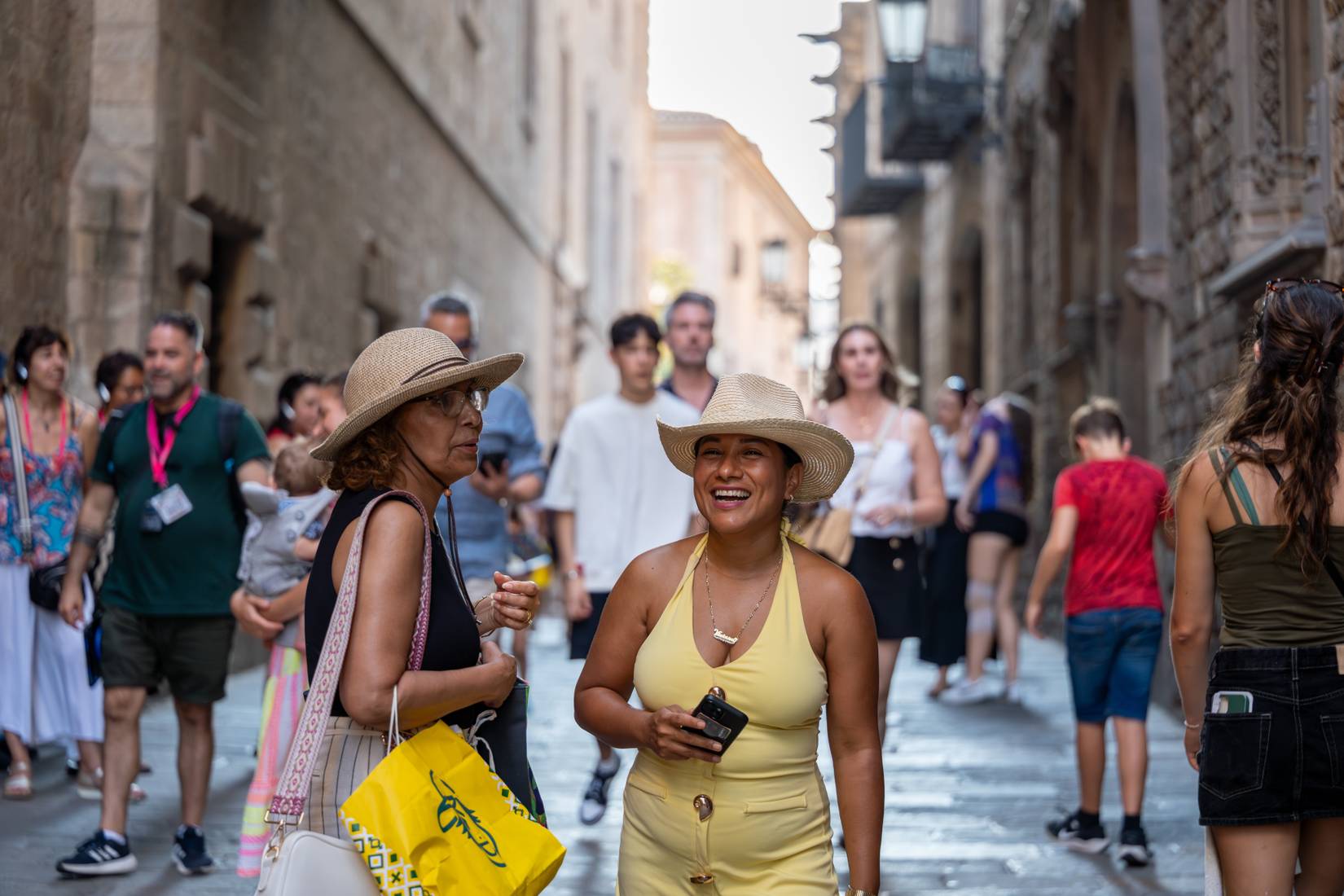
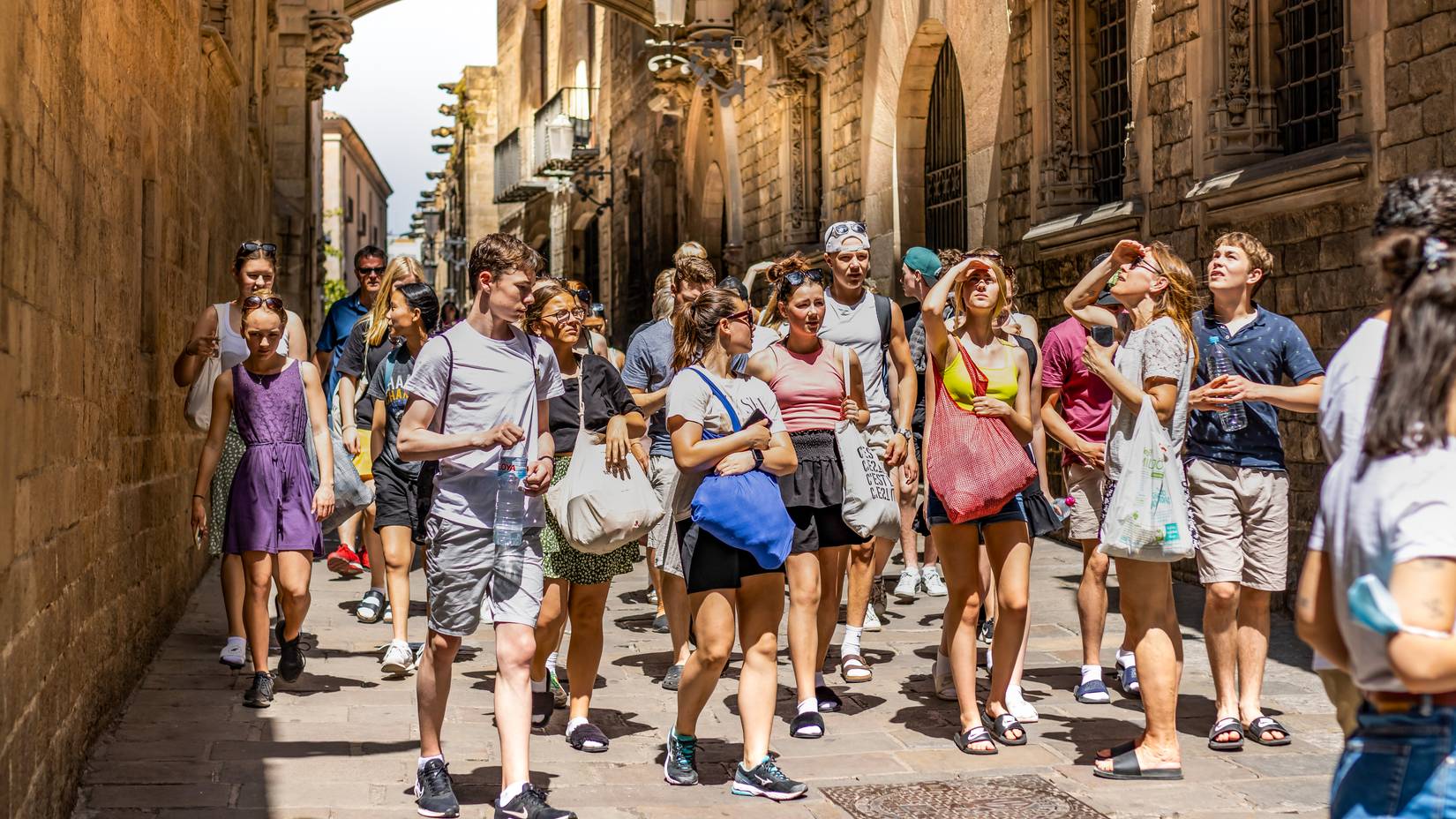
Tourists are strolling through the medieval streets of Barcelona, Spain, discovering the architectural details of the historic Gothic Quarter.Credit: Shutterstock
In 2025, the Barcelona Tourism Management reported that Barcelona alone recorded 16 million visitors—a 2.9% increase from 2024. But it totaled 26 million, including those who stayed in regulated tourist establishments and other types of accommodations, and those who stayed with friends and family.
American travelers are still among the top-spending tourists in Barcelona and in Spain as a whole. According to the Barcelona Tourism Observatory’s fourth quarter report in 2025, the United States ranked with the most reservations for Barcelona, reaching 19%, surpassing the domestic market, which is only at 15%.
New York, Chicago, and San Francisco are three of the U.S. cities with the highest number of passengers flying to Barcelona Airport, while Washington, D.C. showed the highest interest in Barcelona, such as the famous Sagrada Família and the Cathedral.
In 2025, El País reported that there were 1.1 million Americans who arrived in Barcelona in 2024, topping the list of foreign visitors to the Catalan capital. There were also 20% of Americans who arrived in Barcelona via cruise ships.
The latest figures may have shown no signs of slowing down for American travelers arriving in the Catalan capital, but the City Council’s recent decision to double Barcelona’s tourist tax for visitors can quickly add up to tourists accustomed to longer stays in the city. It’s a sign that Barcelona, a beloved Spanish hotspot, is struggling with how much tourism is too much.