
Published on
April 12, 2026
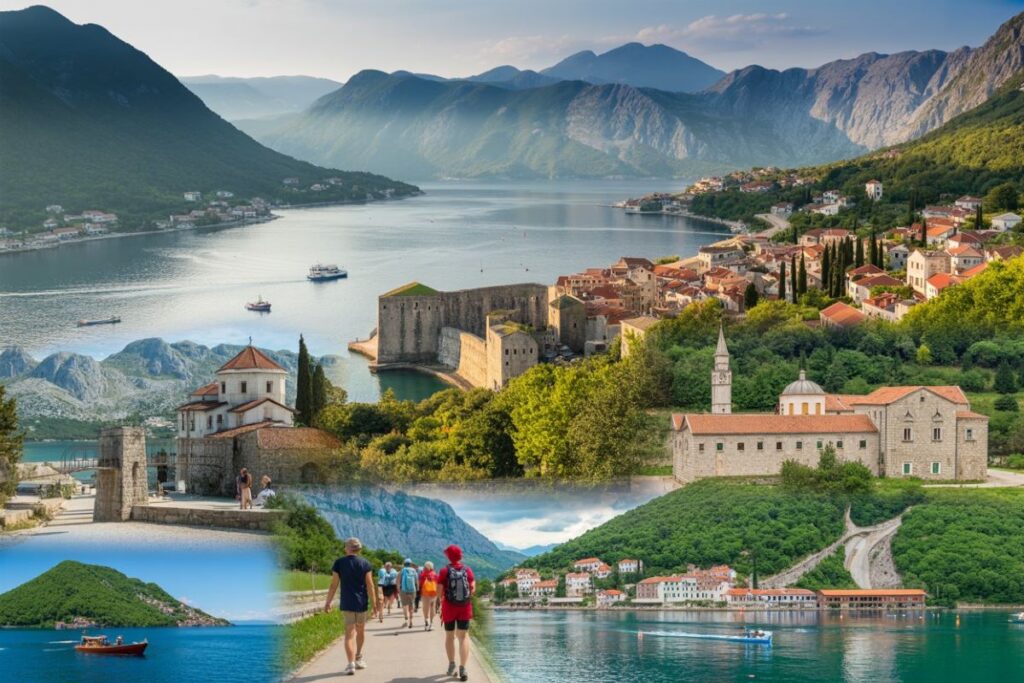
Image generated with Ai
Nestled on the southeastern edge of Europe’s Balkan Peninsula, Montenegro is one of the continent’s most striking yet compact destinations, where soaring mountain peaks meet crystalline Adriatic waters. Official tourism sources show that travel and tourism contribute approximately 25 % of the country’s GDP, highlighting its fast‑growing appeal for visitors seeking a blend of history, scenery and culture.
Though the country spans only about 13,800 km², it packs an extraordinary variety of landscapes into a small area, with a long Adriatic coastline and rugged interior wilderness that invite hiking, coastal exploration and cultural immersion.
Montenegro’s beauty has made it a favourite among European travellers and beyond, offering both seaside leisure and mountaintop adventure. Whether you’re drawn by UNESCO‑listed heritage towns or unspoilt national parks, this Balkan gem rewards slow exploration and genuine encounters with local traditions and natural splendour.
From Coast to Mountains: Natural Variety in Montenegro
One of Montenegro’s most compelling features is its contrasting landscape. The long Adriatic coastline presents sun‑drenched beaches and charming coastal towns, while the interior is dominated by dramatic mountains and dense forests. This mix allows travellers to experience both scenic sea views and peaceful highland retreats within a relatively short journey.
Along the coast, places such as Bak, Budva and the Bay of Kotor offer historical fortifications, ancient stone streets and waterfronts backed by steep hillsides. Visitors can wander medieval alleys or relax on pebble beaches with striking views of the Adriatic Sea. Inland, Biogradska Gora National Park – one of Europe’s last remaining pristine forests – provides opportunities for kayaking, biking and scenic hikes.
This compact nation offers both laid‑back coastal charm and rugged outdoor adventure, making it a favourite for travellers who want to combine nature with culture in one itinerary.
Advertisement
Advertisement
Podgorica and the Heritage of the Royal Capital
The capital city, Podgorica, combines capital‑city facilities with easy access to surrounding nature. The city is conveniently located close to the international airport, making it a practical starting point for visitors arriving from major European cities.
Nearby, the former royal capital Cetinje serves as a quiet cultural hub with leafy avenues, regal villas and historical museums. Its significance as a seat of Montenegrin royalty and its collection of relics draw visitors interested in the region’s past. This juxtaposition of contemporary city life and preserved heritage highlights Montenegro’s layered story, shaped by centuries of different influences.
Whether one is strolling through a royal museum or absorbing local life in a café, Montenegro’s smaller towns offer authentic insights into both national history and present‑day culture.
Kotor and Adriatic Traditions
The fortified town of Kotor is among Montenegro’s most visited locations, famed for its labyrinth of alleys and charming squares. Surrounded by craggy hills and overlooking a deep fjord‑like bay, the town is a UNESCO World Heritage Site that rewards exploration at a leisurely pace.
The Bay of Kotor offers dramatic scenery combining steep mountains with serene waters, perfect for photography, boat excursions or simply soaking up the ambience of a centuries‑old port. While wandering its narrow lanes, visitors can discover local museums, artisan shops and small cafés offering regional specialties. This seaside heritage is a core part of Montenegro’s appeal, blending historical significance with breathtaking natural beauty.
Beyond Kotor, coastal hubs such as Budva offer a mix of ancient walls and modern resort amenities, making them ideal for travellers who want culture and leisure combined.
Adventure and Outdoor Exploration
Montenegro’s interior is dominated by soaring peaks, deep canyons and national parks well‑suited to active travellers. The Tara River Canyon, one of Europe’s deepest, attracts white‑water rafting and canyoning enthusiasts, while mountain trails offer opportunities for trekking and wildlife‑spotting in pristine alpine surroundings.
Biogradska Gora National Park and Durmitor National Park (also recognised as a UNESCO World Heritage Site) feature dense forests, glacial lakes and panoramic views that are ideal for hiking and nature photography. Many visitors base themselves in towns like Žabljak, then spend days exploring scenic trails and mountain passes. These areas appeal to travellers seeking a side of Montenegro far from urban bustle and full of natural exploration.
Culture, Cuisine and Local Life
Montenegro’s identity is shaped by a blend of traditions, reflecting influences from Illyrians, Romans, Byzantines, Venetians and Ottomans over centuries. This cultural tapestry is evident in local cuisine, architecture and village life.
Visitors often indulge in hearty regional dishes that feature locally produced ingredients, such as cheeses, cured meats and seafood from the Adriatic. This culinary variety adds depth to Montenegro’s travel experience and reflects its rich historical intersections. Combined with warm local hospitality, the nation’s cultural offerings make every trip memorable.
Practical Information for Travellers
Montenegro’s visa policy allows many nationalities to enter without a visa for stays of up to 90 days, while citizens of European Union countries may even use an ID card for entry, simplifying travel planning.
The country’s official tourism body, the National Tourism Organisation of Montenegro, works to promote responsible tourism and sustainable development, ensuring that the growth in visitor numbers supports both nature conservation and community prosperity.
Conclusion: Why Montenegro Should Be on Your Travel Map
From historic towns and cultural heritage to dramatic coastal panoramas and rugged mountain landscapes, Montenegro offers a spectrum of experiences in a compact package. With official backing for eco‑tourism and rich offerings for all kinds of travellers, this Balkan destination invites exploration at any pace. Whether it’s serene village scenes or unforgettable views from mountain heights, Montenegro’s varied appeal continues to draw global visitors who seek both culture and adventure.
Advertisement
Advertisement
