
Published on
April 13, 2026
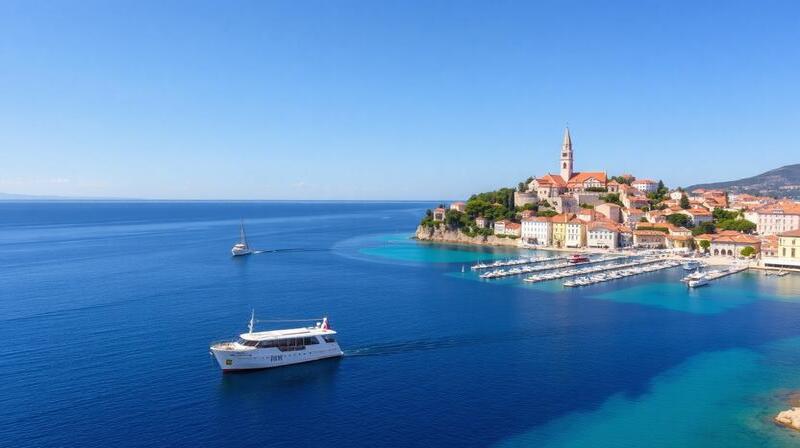
Image generated with Ai
Tourists from the United States, Germany, Italy, Slovenia, and Poland are driving Croatia’s massive €15.3 billion tourism boom, powered by a strong Easter surge, expanding flight network, and steady European road travel demand in 2026.
Play News Now
TTW Audio Brief
Croatia has stormed into 2026 with unstoppable force after generating more than €15.3 billion in foreign tourism revenue in 2025. This huge figure shows strong global demand. The country also saw a busy Easter period that brought tens of thousands of travellers. Coastal regions were packed with visitors. The strong finish of 2025 and powerful start to 2026 have created massive momentum. Officials believe Croatia is now in a very strong position in Europe’s tourism race, but rising costs and global uncertainty still pose serious challenges.
Record Revenue Growth Signals Explosive Tourism Strength
Croatia’s tourism sector recorded €15.298 billion in revenue in 2025, marking a 2% increase compared to the previous year. This added around €292.5 million to the economy. The growth came with record arrivals and overnight stays. In the last quarter alone, tourism revenue reached €1.886 billion, a strong 3.8% jump from 2024. These figures prove Croatia’s tourism machine is running at full speed. The country is attracting more visitors than ever, showing resilience and strong global appeal.
Officials Celebrate Success But Warn Of Global Risks Ahead
Authorities welcomed the powerful performance but stayed cautious about the future. They highlighted that early trends in 2026 remain positive. However, global uncertainty, inflation, and rising travel costs could impact demand later in the year. Officials stressed that predicting travel behaviour is now harder than ever. Many travellers are changing how they plan trips. This creates both opportunity and risk. Croatia must stay alert and flexible to maintain its growth and avoid sudden slowdowns in bookings.
Last-Minute Travel Surge Set To Reshape Booking Patterns
A major shift is happening in travel behaviour. More tourists are expected to book trips at the last minute. Many may decide just one or two weeks before departure. This trend is changing how the tourism industry operates. Hotels and airlines must adapt quickly. Flexibility is becoming essential. The traditional long booking window is shrinking. This creates uncertainty but also allows Croatia to attract spontaneous travellers. Businesses must respond fast to capture this growing segment.
Easter Explosion Drives Early Season Tourism Frenzy
The Easter season of 2026 triggered a tourism surge across Croatia’s coastal hotspots. Regions like Split and Istria saw heavy tourist inflows. Hotels, streets, and waterfronts were crowded. The early season boom has set a powerful tone for the rest of the year. This surge proves Croatia remains a top holiday destination. It also shows strong pent-up demand for travel. The Easter rush has given the tourism sector a critical early boost.
Advertisement
Advertisement
Split Emerges As A Tourism Powerhouse With Massive Visitor Flow
Split became one of the busiest hotspots during Easter. The region welcomed around 12,000 visitors, generating nearly 40,000 overnight stays. Cruise ships arrived in large numbers. Flights resumed under the summer schedule. Hotels reported high occupancy rates. The waterfront buzzed with activity. Tourists explored the city in huge numbers. This surge shows Split’s growing importance in Croatia’s tourism ecosystem. It continues to attract both regional and long-haul travellers.
Global Travellers Return But Rising Costs Raise Concerns
Tourists from long-haul markets, including North America, are returning to Croatia. Many travellers had booked their trips months in advance. Air travel demand remains strong. However, rising travel costs are becoming a major concern. Expensive flights and inflation could affect future decisions. Some travellers may reduce spending or delay trips. This creates uncertainty for the peak summer season. The industry must balance demand with affordability to sustain growth.
Advertisement
Advertisement
Air Connectivity Boom Fuels Croatia’s Tourism Expansion
Air travel is a key driver of Croatia’s tourism success. Split Airport is entering 2026 with its biggest schedule ever. Around 45 airlines will connect the city to 85 destinations across 28 countries. This massive expansion boosts accessibility. A new direct seasonal route to the United States will launch on May 1, operated by United Airlines. This move strengthens long-haul connectivity and opens new tourism opportunities for Croatia.
Road Travel From Europe Keeps Tourist Numbers Stable
Despite strong air connectivity, road travel remains vital. A large number of visitors arrive by car from nearby countries. Key markets include Germany, Poland, Slovenia, and Bosnia and Herzegovina. This mix of regional and long-haul travellers ensures stable demand. It spreads tourism across different seasons. Road travel also supports last-minute bookings. Croatia benefits from its strong geographical position within Europe, making it easily accessible.
Istria Becomes A Magnet For Holiday Crowds And Cultural Events
Istria witnessed a massive Easter turnout with around 45,000 visitors. Hotels, campsites, and holiday homes were open and busy. Cities hosted vibrant seasonal events. Wine tastings and traditional food festivals attracted crowds. Both domestic and international tourists joined the celebrations. The region continues to charm visitors with its culture and experiences. Some reports even suggest the number crossed 50,000 visitors, showing strong demand despite data variations.
Strong European Demand Keeps Croatia At The Top
Istria continues to draw visitors from Austria, Germany, Slovenia, and Italy. Domestic tourists also contribute strongly. This mix of markets keeps tourism balanced. Croatia benefits from repeat visitors and loyal travellers. Its appeal remains strong across Europe. The country offers diverse experiences that attract different age groups and travel styles. This consistent demand strengthens Croatia’s position as a leading European destination.
Industry Sounds Alarm Over Rising Prices And Inflation Pressure
Despite strong demand, industry leaders are raising serious concerns. Inflation and rising costs are putting pressure on the sector. Airfares, accommodation, and services are becoming more expensive. This could impact traveller decisions. Experts warn against aggressive price hikes. Maintaining competitive pricing is crucial. If costs rise too fast, Croatia could lose its edge to other destinations. Price discipline is now a key focus area.
Tourism Leaders Urge Smart Pricing To Stay Competitive
Industry voices are calling for caution. They stress the need to keep prices stable. Flexibility is more important than ever. Businesses must adapt to changing conditions instead of raising prices blindly. Smart pricing strategies can help maintain demand. The goal is to protect Croatia’s competitiveness in a crowded market. Balanced pricing will ensure long-term sustainability and continued growth.
Booking Trends Show Cautious Yet Positive Outlook
The outlook for 2026 remains cautiously optimistic. Around 170,000 visitors were expected across Croatia during Easter. Pre-season bookings are stable. They are similar to levels seen in 2023 and 2024. This consistency provides confidence. However, uncertainty still exists. External factors like global instability and rising costs continue to affect planning. The industry must stay prepared for sudden changes in demand patterns.
Younger Travellers Are Transforming Croatia’s Tourism Landscape
A major demographic shift is reshaping tourism. Data shows a near-even split between age groups. Around 49% of visitors are over 40, while 51% are younger than 40. Younger travellers are becoming more influential. They are changing travel trends. They prefer flexible trips and unique experiences. They also travel outside peak seasons. This shift is pushing the industry to evolve and innovate.
Changing Preferences Force Tourism Sector To Adapt Fast
Younger travellers demand different experiences. They look for culture, adventure, and authenticity. This is changing how tourism products are designed. Croatia must adapt quickly. Flexible offerings are now essential. The industry needs to cater to diverse preferences. This includes off-season travel and new types of accommodation. Adapting to these trends will help Croatia stay ahead in the global tourism race.
Adriatic Coast Dominates Europe’s Tourism Rankings
Croatia’s Adriatic coast continues to dominate. It ranks among the busiest regions in Europe. Between October and December 2025, it recorded 27.7 million overnight stays in short-term rentals. This performance placed it ahead of regions like Andalusia and Provence-Alpes-Côte d’Azur. These numbers confirm Croatia’s strong global position. The Adriatic remains a major tourism magnet.
Croatia Joins Europe’s Tourism Elite With Record Performance
Croatia stands alongside tourism giants like France, Spain, Italy, Greece, and Portugal. Its strong performance proves its global appeal. The country continues to attract millions of visitors. Its mix of natural beauty, culture, and accessibility drives success. Croatia is no longer an emerging destination. It is now a major player in the European tourism industry.
2026 Outlook: Strong Start But Uncertain Future Ahead
Croatia has entered 2026 with strong momentum. High revenue, a busy Easter season, and expanded flights support growth. However, challenges remain. Pricing, inflation, and changing booking behaviour could impact the future. Travellers are waiting longer before making decisions. The coming months will be crucial. Croatia must balance growth with affordability. If managed well, it could achieve another record-breaking year.
Advertisement
Advertisement
