
Published on
April 12, 2026
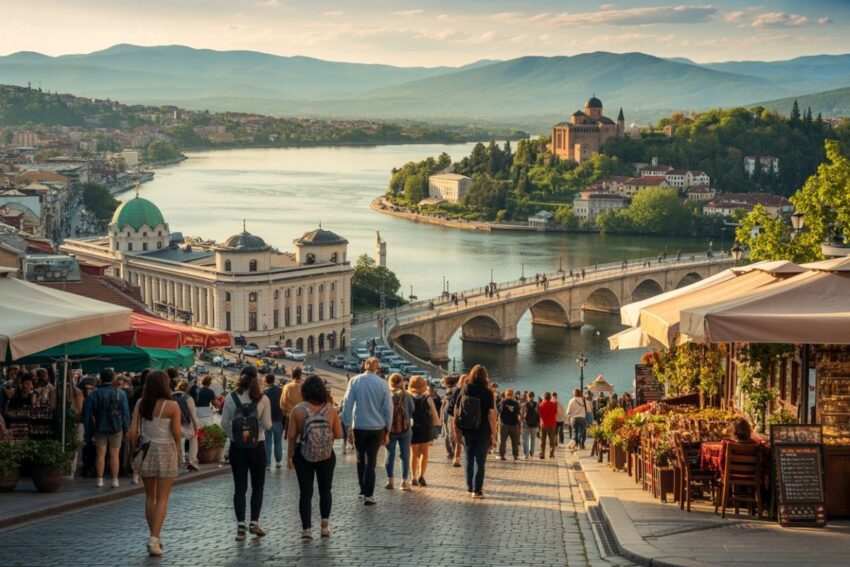
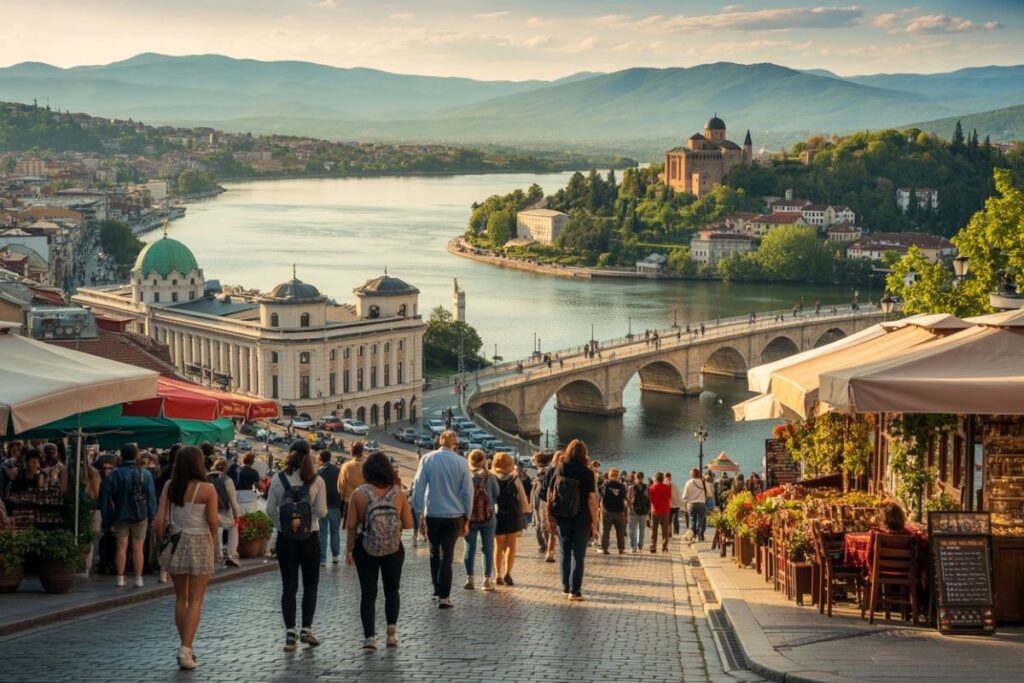
Image generated with Ai
The Balkan nation of North Macedonia is witnessing a noticeable rise in tourism activity in 2026, as more international travelers discover its blend of natural beauty, historic landmarks, and cultural richness. According to government-verified tourism data and official statistical updates, the country continues to record stable growth in visitor arrivals, reinforcing its position as an emerging destination in Europe.
Play News Now
TTW Audio Brief
Tourism authorities highlight that increasing global interest in less crowded and experience-driven destinations is playing a major role in boosting travel demand to the country.
Rising International Interest in North Macedonia
Tourism performance indicators show that North Macedonia has been steadily attracting more foreign visitors in recent years. Official data from the national statistical office confirms that international arrivals have grown due to improved connectivity, targeted tourism promotion, and easier access for regional and European travelers.
The country benefits from its location in Southeast Europe, making it an accessible destination for travelers seeking affordable and culturally rich European experiences. Visa policies also support short-term tourism, with many visitors able to enter for up to 90 days depending on eligibility conditions.
This combination of accessibility and affordability has helped strengthen its position as a growing travel destination.
Natural Beauty as a Key Tourism Driver
One of the strongest attractions of North Macedonia is its diverse natural landscape. The country is home to mountains, lakes, and national parks that appeal to adventure travelers and nature lovers.
Advertisement
Advertisement
Lake Ohrid remains the most iconic destination, widely recognized for its clear waters, historic surroundings, and cultural significance. The lake region is also a UNESCO-listed heritage site, attracting both leisure tourists and cultural explorers.
In addition, mountainous regions such as Mavrovo National Park and the Šar Mountains offer hiking trails, winter sports opportunities, and wildlife experiences, making the country a year-round destination.
Advertisement
Advertisement
Cultural Heritage and Historical Attractions
North Macedonia’s tourism appeal is not limited to natural beauty. Its deep historical and cultural heritage plays an equally important role in attracting visitors.
The capital city, Skopje, features a mix of modern development and historical architecture, including Ottoman-era landmarks, museums, and cultural centers. The city’s vibrant old bazaar remains a popular attraction for tourists interested in traditional crafts and local cuisine.
Meanwhile, the town of Ohrid stands out for its ancient churches, fortress views, and lakeside charm. It is widely regarded as one of the most culturally significant cities in the Balkans.
Government Efforts Supporting Tourism Growth
Tourism authorities in North Macedonia have been actively working to strengthen the sector through infrastructure upgrades and promotional campaigns. Improvements in road connectivity, hospitality services, and regional transport links have made it easier for visitors to explore different parts of the country.
In addition, tourism planning strategies focus on sustainable development, ensuring that natural and cultural sites are preserved while still being accessible to increasing numbers of travelers.
Events such as festivals, cultural programs, and sporting activities also contribute to boosting seasonal tourism demand throughout the year.
Key Tourist Destinations Driving Growth
Several destinations continue to dominate visitor flows in North Macedonia:
- Skopje – Capital city offering history, nightlife, and cultural attractions
- Ohrid – UNESCO-listed lake destination known for heritage and scenic beauty
- Matka Canyon – Popular for adventure tourism, kayaking, and hiking
- Mavrovo National Park – Known for winter sports and mountain landscapes
- Bitola and Kratovo – Historic towns showcasing traditional Balkan architecture
These destinations together form the backbone of the country’s tourism economy.
Economic Importance of Tourism
Tourism plays a significant role in North Macedonia’s economy, contributing to employment generation and supporting local businesses such as hotels, restaurants, transport services, and handicraft industries.
The growth in visitor numbers also encourages investment in infrastructure, including accommodation development and improved tourist facilities. This has helped create new economic opportunities in both urban centers and rural regions.
Conclusion
North Macedonia is steadily strengthening its position as one of Europe’s emerging tourism destinations in 2026. With its combination of natural landscapes, cultural heritage, and improving infrastructure, the country continues to attract a growing number of international visitors.
As tourism development continues, North Macedonia is expected to further enhance its global profile, offering travelers an authentic and less crowded alternative to mainstream European destinations.
Advertisement
Advertisement
