
Published on
April 12, 2026
Image generated with Ai
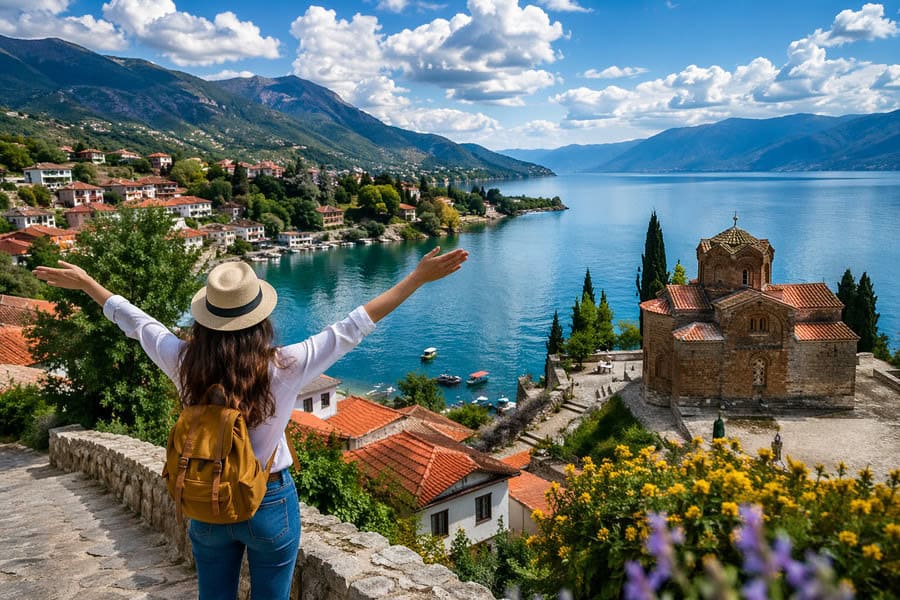
North Macedonia is quickly emerging alongside France, Spain, Italy, and other leading destinations on Europe’s evolving travel map, as adventurous travelers turn away from overcrowded, high-cost hotspots in search of more authentic, affordable, and culturally immersive experiences. Backed by rising international arrivals, diverse natural landscapes, and a rapidly developing tourism sector, the country is gaining strong global traction. At the same time, mounting living costs and tighter immigration rules in Western Europe are prompting Americans to look toward Central and Eastern Europe, where lower expenses, growing opportunities, and simpler relocation pathways are driving a fast-accelerating shift.
This change reflects a wider transformation across Europe’s travel and relocation landscape. While established Western destinations continue to draw crowds, an increasing number of bold explorers are embracing lesser-known regions that offer deeper cultural connections and better value. In parallel, Americans are steadily turning eastward, attracted by destinations that combine affordability, lifestyle benefits, and expanding economic potential, marking a significant shift in global travel and living trends.
At the center of this shift is North Macedonia, a country rapidly gaining recognition as one of Europe’s most compelling emerging destinations. Once overlooked, it is now experiencing a steady tourism surge driven largely by international visitors. Recent data shows that foreign tourists account for over 78 percent of arrivals, highlighting a strong global interest in the destination. From January to October 2025, total tourist numbers rose by 5.4 percent, with international arrivals increasing by 9.3 percent—clear indicators of its growing appeal.
This rise is no coincidence. North Macedonia offers a powerful combination of natural beauty, cultural richness, and accessibility that modern travelers increasingly seek. From pristine lakes and dramatic mountain ranges to historic towns and vibrant cities, the country delivers diverse experiences within a compact geography. Travelers can move seamlessly from scenic landscapes to centuries-old heritage sites, enjoying a level of authenticity that is becoming harder to find in more commercialized destinations.
Advertisement
Advertisement
Equally important is the country’s evolving tourism infrastructure and economic contribution. The tourism sector already accounts for around 5.6 percent of the nation’s GDP and supports over 51,000 jobs, underlining its growing importance as a pillar of the economy. With continued investment in connectivity, workforce development, and sustainable tourism strategies, North Macedonia is positioning itself as a serious competitor on the European travel stage.
The country’s culinary diversity and local traditions further strengthen its appeal. Influenced by a mix of Balkan and Mediterranean cultures, regional cuisine varies significantly across different areas, offering travelers a rich and immersive food experience. Combined with a favorable climate that supports agriculture and vineyards, this creates a destination that appeals not only to sightseers but also to those seeking deeper cultural engagement.
Advertisement
Advertisement
This growing interest in North Macedonia reflects a broader shift in traveler behavior. Increasingly, tourists are moving away from overcrowded hotspots like France, Spain, and Italy, where rising costs, overtourism, and limited space can diminish the experience. Instead, they are prioritizing destinations that offer value, space, and meaningful connections with local culture. The demand for “off-the-beaten-path” travel is no longer a niche trend—it is becoming a defining force in global tourism.
At the same time, a parallel trend is unfolding in the realm of relocation. Americans are aggressively pivoting toward Central and Eastern Europe, drawn by lower living costs, expanding economic opportunities, and improving infrastructure. Countries such as Romania, Bulgaria, Slovakia, Poland, Albania, and Estonia are gaining traction as viable alternatives to Western Europe, offering a balance between affordability and modern living.
Advertisement
Advertisement
This migration shift is being accelerated by tightening immigration policies and rising expenses in traditional expatriate hubs like Italy and Portugal. As these destinations become more restrictive and costly, individuals seeking long-term relocation are exploring regions that provide easier entry pathways and better value for money.
The appeal of Eastern Europe lies not only in affordability but also in opportunity. The rise of remote work, digital industries, and entrepreneurial ecosystems has made it easier for professionals to live outside traditional economic centers while remaining globally connected. Improved infrastructure and digital access across the region are further enhancing its attractiveness to international residents.
North Macedonia’s emergence within this broader movement highlights a changing mindset among global travelers and expatriates alike. There is a growing desire to move beyond familiar destinations and discover places that offer authenticity, opportunity, and a sense of untapped potential. Whether for short-term travel or long-term relocation, Eastern Europe is increasingly becoming the region of choice.
North Macedonia is joining France, Spain, Italy, and more on Europe’s evolving travel map as bold explorers leave behind crowded, expensive hotspots for authentic and affordable experiences. At the same time, rising costs and stricter policies in Western Europe are driving Americans to turn east toward opportunity-rich Central and Eastern Europe.
As Europe’s travel map continues to evolve, North Macedonia stands out as a powerful symbol of this transformation. Its rapid rise, combined with shifting global preferences, signals a new era where exploration is driven not by tradition, but by discovery, value, and meaningful experiences.
Advertisement
Advertisement
