
Published on
April 14, 2026
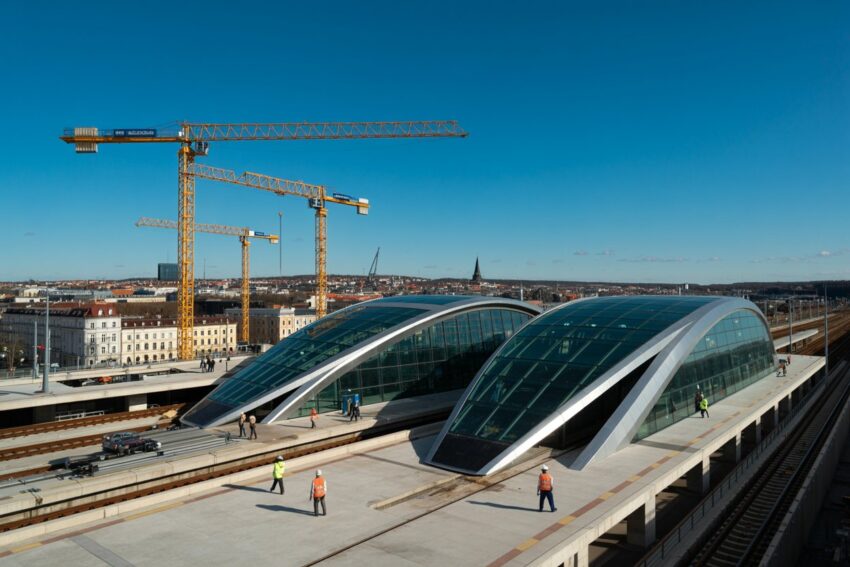
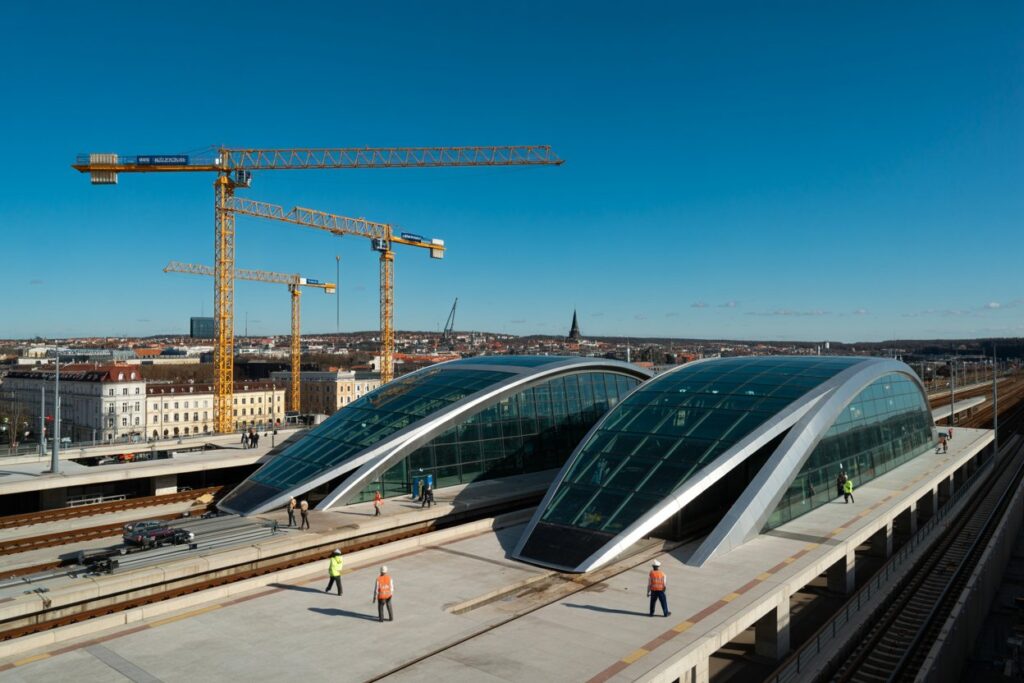
Image generated with Ai
The Rail Baltica project, a monumental initiative aimed at creating a high-speed rail connection between the Baltic states and the rest of Europe, has entered a key phase in Kaunas, Lithuania. This phase marks an essential step toward completing one of Europe’s most ambitious rail infrastructure projects, which is set to revolutionize transportation in the region and strengthen economic ties between the Baltic states and the wider European Union. The project is part of the EU’s broader efforts to create an integrated transportation network that reduces dependency on road transport and promotes sustainable travel options.
The Kaunas segment of the Rail Baltica project is particularly significant as it will serve as a critical hub connecting Lithuania with neighboring countries, making it easier for passengers to travel to Poland, Latvia, and beyond. This new phase focuses on designing and constructing the infrastructure necessary to ensure the smooth integration of the Rail Baltica line into Lithuania’s existing rail network.
Rail Baltica: Connecting the Baltics to Europe
Rail Baltica is a flagship project under the EU’s Trans-European Transport Networks (TEN-T) policy, which aims to create a high-speed rail link stretching from Tallinn in Estonia, through Riga in Latvia, and Vilnius in Lithuania, all the way to Warsaw in Poland. The project aims to connect the three Baltic countries to the European high-speed rail network, providing fast, efficient, and sustainable transportation options for both passengers and goods.
The project is expected to play a significant role in improving mobility within the Baltic region and beyond, reducing travel times, and offering a greener alternative to road and air transport. Rail Baltica will also contribute to economic growth, fostering stronger trade relations between the Baltic states and the rest of Europe, and supporting sustainable development by lowering carbon emissions.
Advertisement
Advertisement
The Role of Kaunas in the Rail Baltica Project
The city of Kaunas, Lithuania’s second-largest city, will play a central role in the Rail Baltica project, serving as one of the key stations along the route. The development of the Kaunas segment is crucial for improving connectivity within Lithuania and enhancing its position as a strategic transportation hub. The project is expected to facilitate smoother and faster connections between Kaunas and other major European cities, boosting regional trade and tourism.
As part of this key phase, significant work is being carried out to design and construct the Kaunas Node, which will include a new high-speed rail station that will serve both domestic and international routes. The development of this node will also involve the modernization of existing rail infrastructure to accommodate faster and more efficient trains.
Advertisement
Advertisement
Economic and Environmental Benefits
The completion of the Rail Baltica project will provide substantial economic benefits for Lithuania and the wider Baltic region. With faster and more efficient transport connections, Lithuania can expect an increase in cross-border trade, which will benefit industries such as manufacturing, agriculture, and logistics. Moreover, the new rail infrastructure will make Lithuania a more attractive destination for foreign investment, especially in sectors related to transportation, logistics, and tourism.
On the environmental front, the Rail Baltica project will significantly reduce the carbon footprint of regional transportation. By providing a high-speed rail alternative to road and air travel, the project supports the EU’s sustainability goals. Trains are far more energy-efficient than other modes of transport, and the increased use of rail transport will contribute to the EU’s efforts to reduce greenhouse gas emissions and combat climate change.
Timeline and Phases of the Kaunas Development
The Kaunas segment is currently undergoing its design and construction phase, which will involve the development of several key infrastructure elements, including:
- Railway Infrastructure: The construction of high-speed rail tracks and modernization of existing rail lines to accommodate faster trains.
- Kaunas Station: A state-of-the-art railway station will be developed to serve as a key transit hub for both domestic and international rail services.
- Integration with Other Transport Modes: The Kaunas Node will also integrate with local public transport systems, ensuring easy access for passengers traveling to and from the station.
The overall timeline for the Rail Baltica project, including the Kaunas phase, is ambitious, with the expected completion of the entire line slated for 2030. However, the Kaunas Node is expected to be operational in phases starting from the late 2020s, with certain sections being ready for use as early as 2027.
Regional Collaboration and Funding
The Rail Baltica project is a collaborative effort between the three Baltic states and Poland, with funding primarily coming from the European Union. The EU’s financial support for the project underscores its strategic importance in connecting the Baltic region to the broader European transport network. The European Commission has already allocated substantial funds to the project through the Connecting Europe Facility (CEF), which is designed to finance infrastructure projects that enhance EU-wide connectivity.
Lithuania has also committed significant national resources to the project, with the Lithuanian Ministry of Transport working in close collaboration with the Rail Baltica team to ensure the timely and successful delivery of the project.
The Future of Rail Baltica
Once completed, Rail Baltica will provide numerous benefits, including:
- Improved Connectivity: Rail Baltica will reduce travel times significantly between the Baltic states and the rest of Europe. For instance, the journey from Vilnius to Warsaw will take just under four hours, compared to nearly eight hours by road.
- Economic Growth: Faster and more efficient transportation will help to boost trade between the Baltic states and the rest of Europe, driving economic development in sectors like logistics, tourism, and manufacturing.
- Environmental Sustainability: The high-speed rail connection will provide a more environmentally friendly alternative to cars and airplanes, supporting EU climate goals.
As Lithuania and its neighbors progress with the Rail Baltica project, they are setting a new standard for regional integration and sustainable transport. The Kaunas phase, currently underway, will serve as a key milestone in this groundbreaking endeavor.
Conclusion
Lithuania’s Rail Baltica project is moving forward with significant progress, especially in the city of Kaunas, where the next crucial development phase is taking shape. The project will ultimately transform regional transport, providing faster, greener, and more efficient travel across the Baltic states and connecting Lithuania to the broader European network. As the development continues, Kaunas will play a central role in this transformation, enhancing its position as a key hub in Europe’s transportation landscape.
Advertisement
Advertisement
