

Published on
April 14, 2026
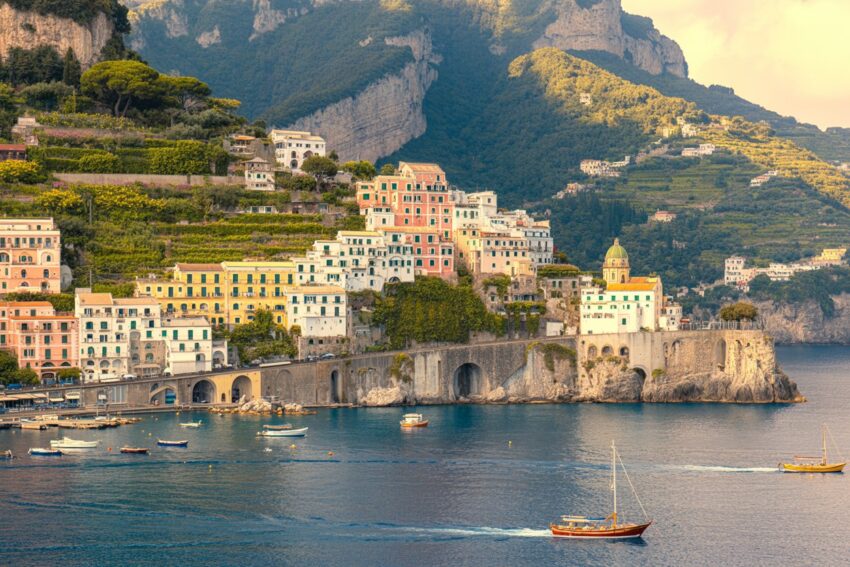
Image generated with Ai
Italy has reaffirmed its status as a top global destination by offering visa‑free short‑stay access to citizens of multiple countries beyond the European Union. Under this visa exemption framework, travellers from a list of around 60 nations can enter Italy (and the wider Schengen Area) without a visa for up to 90 days within a 180‑day period for tourism, business, visiting friends/family, and other short engagements. This move dramatically simplifies travel planning, deepens cultural exchange, and enhances Italy’s tourism appeal to global audiences.
For decades, visa procedures created administrative barriers for travellers planning to visit Italy’s historic cities, world‑renowned museums, coastal towns, vineyards, and iconic landmarks. With this visa‑free policy extended to citizens from an array of continents, Italy is encouraging wider global mobility and boosting its tourism and service‑industry growth.
Albania – Gateway From the Adriatic to Italian Classics
Albania’s inclusion in Italy’s visa‑free regime strengthens longstanding cultural and geographic links across the Adriatic Sea. Albanian citizens can now freely explore vibrant Italian cities such as Rome and Milan, tasting culinary traditions, visiting UNESCO heritage sites, and engaging in business or leisure travel without visa hurdles. This eases entry and promotes reciprocal tourism interest between Adriatic neighbours.
South Korea – Seamless Access From Seoul to Sicily
South Korea has emerged as a key outbound tourism market for Italy. The visa‑free access allows South Korean tourists to visit Italy’s cultural capitals–from historic Florence to picturesque Sicily–with ease. This enhances business and leisure travel flows between East Asia and Southern Europe, nurturing stronger cultural and economic bonds.
Advertisement
Advertisement
Mauritius – Indian Ocean Islands Meet Italian Heritage
Mauritian citizens can now travel to Italy without visas for short stays, opening doors to savour Italian gastronomy, explore renaissance art, and witness architectural masterpieces. The policy supports broader cultural connection and enhances Italy’s visibility among Indian Ocean island nations.
Paraguay – From Heart of South America to Italian Classics
Paraguay’s inclusion connects travellers from the South American interior to Italy’s heritage corridors, historic cities, and scenic regions. Paraguayan visitors can experience Italy’s rich blend of history, food culture, and Mediterranean landscapes visa‑free, driving new tourism patterns.
Advertisement
Advertisement
Nauru – Pacific Islands Discover Europe’s Cultural Treasures
Though geographically remote, Nauruans benefit from Italy’s visa exemption for short stays, enabling citizens to cross continents and enjoy Italy’s storied history and iconic sites. This underscores Italy’s commitment to facilitating global mobility even for small island nations.
List of Other Countries Enjoying Visa‑Free Entry to Italy
Italy’s visa‑free entry policy for short stays currently applies to citizens of numerous countries spanning Americas, Asia, Oceania, Africa, and Europe. These travellers can enter Italy for up to 90 days without a visa for tourism, business meetings, cultural visits, or family travel.
Visa‑Exempt Countries (Short Stays) Include:
Andorra, Antigua and Barbuda, Argentina, Australia, Bahamas, Barbados, Bosnia and Herzegovina, Brazil, Brunei, Canada, Chile, Colombia, Costa Rica, Dominica, El Salvador, United Arab Emirates, Georgia, Japan, Grenada, Guatemala, Honduras, Hong Kong SAR, Israel, Kiribati, Kosovo, Malaysia, Macao SAR, North Macedonia, Marshall Islands, Mexico, Micronesia, Moldova, Monaco, Montenegro, Nicaragua, New Zealand, Palau, Panama, Peru, Saint Kitts and Nevis, United Kingdom, Samoa, Saint Lucia, Serbia, Seychelles, Singapore, United States, St. Vincent and the Grenadines, Taiwan, East Timor, Tonga, Trinidad and Tobago, Tuvalu, Ukraine, Uruguay, Venezuela.
Top Airports in Italy: Gateway to a European Adventure

Image generated with Ai
Italy’s prime airports are gateways to its rich cultural and historical treasures. Here’s a look at the top airports:
Leonardo da Vinci International Airport (Fiumicino), Rome
As Italy’s busiest and largest airport, Fiumicino serves as the primary international hub. With excellent facilities, such as luxury shopping, dining, and efficient transport links to Rome’s city center, it ensures a smooth start to any Italian adventure.
Milan Malpensa Airport
Milan Malpensa connects Italy to the world through a vast range of international flights. Its proximity to Milan, a global fashion and business center, makes it a crucial gateway for travelers heading to Northern Italy.
Venice Marco Polo Airport
Situated just a short distance from the enchanting city of Venice, Marco Polo is an essential arrival point for tourists looking to explore the canals and rich history of Venice. It also serves as a key hub for flights from Europe.
Naples International Airport
Serving the vibrant city of Naples and the Amalfi Coast, this airport is ideal for travelers visiting southern Italy. It’s a key entry point for exploring historic Pompeii, the Naples city center, and the coastal beauty of the region.
Bologna Guglielmo Marconi Airport
Bologna’s airport is a growing hub for both domestic and international flights. Its strategic location makes it perfect for those looking to explore the cultural and culinary delights of Northern Italy.
Top Airlines Flying to Italy: Connecting the World to Italian Beauty

Image generated with Ai
Traveling to Italy is made easy with top-rated airlines offering comfort and convenience. Here are some of the best airlines serving Italy:
Alitalia
Italy’s flagship carrier, Alitalia, provides direct flights to major global destinations. Known for its excellent customer service and strong European network, Alitalia ensures a smooth journey to Italy, whether you’re heading to Rome, Milan, or beyond.
Ryanair
As a low-cost airline, Ryanair offers affordable flights to various Italian cities, including Rome, Milan, and Naples. It’s the go-to choice for budget travelers wanting to explore Italy without breaking the bank.
Emirates
Emirates offers luxury travel with direct flights to Italy from Dubai. With its award-winning services and excellent in-flight entertainment, it’s an ideal choice for travelers looking for comfort on long-haul flights to Italy.
Lufthansa
Lufthansa, the flagship carrier of Germany, offers direct flights from major cities like Frankfurt and Munich to multiple Italian destinations. Its premium services make it a preferred choice for business and leisure travelers alike.
United Airlines
United Airlines provides frequent non-stop flights to Italy, particularly to Rome and Milan, from major U.S. cities like New York, Newark, and Chicago, making it a top choice for American travelers visiting Italy.
Top Destinations in Italy: Must-Visit Cities and Regions
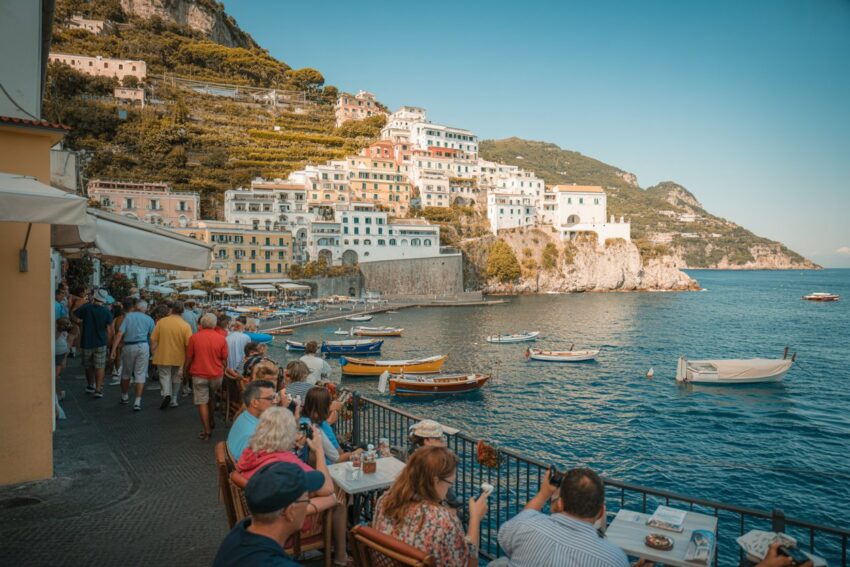
Image generated with Ai
Italy offers a wide range of stunning destinations that cater to all types of travelers. Here are the top spots to explore:
Rome
The Eternal City is a must-visit for anyone traveling to Italy. Home to iconic landmarks like the Colosseum, Vatican City, and the Roman Forum, Rome offers a mix of ancient history, vibrant street life, and delicious food.
Florence
Known as the birthplace of the Renaissance, Florence is a cultural haven for art lovers. From the magnificent Uffizi Gallery to Michelangelo’s David, the city’s art and architecture are world-renowned. Don’t miss the views from the top of the Duomo.
Venice
Venice, with its canals, gondolas, and stunning architecture, is one of the most romantic cities in the world. Must-see landmarks include St. Mark’s Basilica, the Grand Canal, and the Rialto Bridge.Amalfi Coast
A UNESCO World Heritage Site, the Amalfi Coast offers dramatic cliffs, picturesque villages like Positano, and crystal-clear waters. It’s perfect for those seeking scenic beauty, delicious seafood, and Mediterranean charm.
What Visa‑Free Travel Means for Global Tourism to Italy
Italy’s visa‑free policy means that travellers from these countries can enter and stay for up to 90 days in any 180‑day period without applying for a visa in advance, so long as they meet passport validity and entry requirements of the Schengen Area. This includes having a valid passport, return/onward ticket, sufficient funds, and any required documentation to justify the purpose of visit.
This visa exemption not only reduces costs and processing time for travellers but also removes psychological barriers associated with visa applications. Tourists can book flights, hotels, and tours with confidence, knowing entry procedures are straightforward and welcoming.
Italy’s Strategic Shift to Boost Tourism Revenues
The relaxation of visa requirements aligns with broader efforts by Italian and EU authorities to revitalise post‑pandemic tourism and attract long‑haul travellers. The tourism sector, a cornerstone of Italy’s economy, contributes significantly to GDP through hotel stays, dining, cultural experiences, and ancillary services. Facilitating easier access for citizens from distant countries supports seasonal travel patterns and promotes off‑peak tourism flows.
Italian tourism authorities are also working with service providers, airlines, and travel partners to streamline travel experiences for visitors from visa‑exempt countries, including promotional campaigns tailored to Asian, American, and Oceania markets.
TTW Founder and Editor in Chief, Mr. Anup Kumar Keshan, comments, “Italy’s tourism sector is set to experience a significant boost with the introduction of visa-free access for citizens from 64 countries as of April 2026, including Honduras, Hong Kong SAR, Israel, Kiribati, and Kosovo. This new policy will make it easier for international travelers to explore Italy’s breathtaking landscapes, rich cultural heritage, and vibrant cities, encouraging increased tourism and fostering growth in the hospitality industry, benefiting both leisure and business sectors alike.
This insight underscores how visa‑free mobility fuels tourism, enriches visitor experiences, and fosters long‑term travel relationships between Italy and these international partners.
Entry Conditions and Requirements
While visa exemption simplifies entry, travellers must still adhere to basic Schengen Area entry conditions. Visitors should hold a valid travel document recognised by Italy and ensure their passport is valid for at least three months beyond their intended departure date from the Schengen area.
Furthermore, travellers may be required to demonstrate accommodation plans, sufficient funds, and return or onward travel. Certain countries may also have additional requirements or electronic travel authorisations (eTA), depending on bilateral travel agreements.
Conclusion: A Wider Welcome for Global Travellers
Italy’s visa‑free framework for citizens of numerous countries reflects a deliberate strategy to make the country more accessible to the world. By enabling tourists and short‑stay visitors to arrive without pre‑arranged visas, Italy is encouraging a surge in international travel, strengthening cultural exchange, and energising its critical tourism economy.
From North and South America to Asia and Oceania, travellers now enjoy seamless access to Italy’s art capitals, historic towns, scenic coastlines, and gastronomic treasures. For global travellers, this policy turns a dream vacation into a tangible and straightforward experience.
Italy remains one of the most captivating destinations on Earth, and with simpler entry rules for visitors from across the globe, its ancient wonders are more accessible than ever before.
Advertisement
Advertisement
