
Published on
April 14, 2026
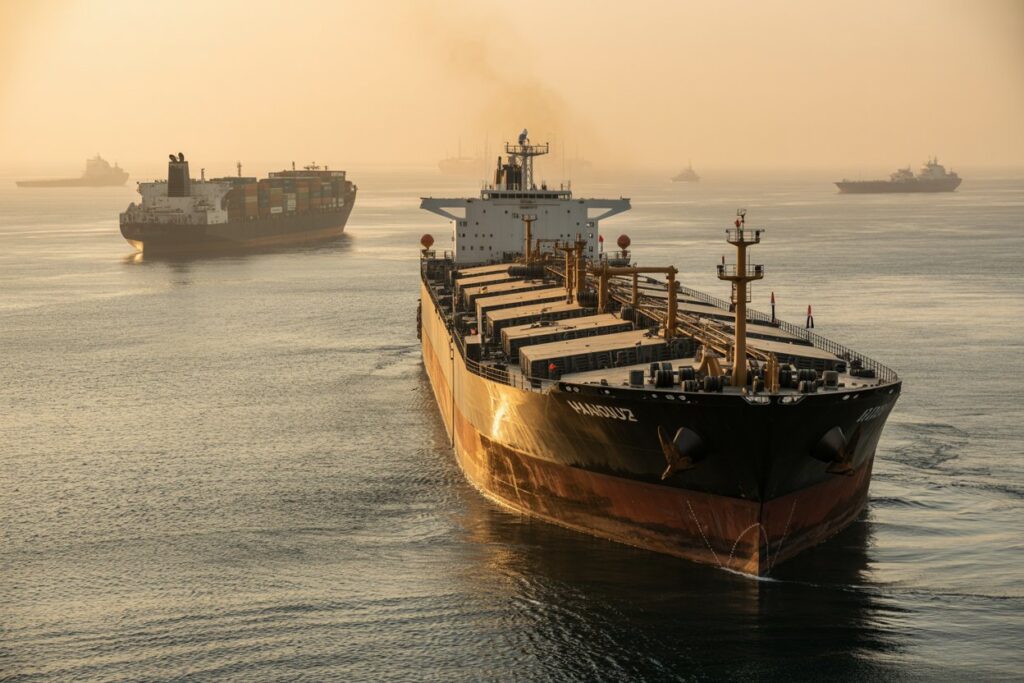
Image generated with Ai
US, Canada, UK, Germany, France, Spain, Italy, Switzerland, China, India, Pakistan and Other Countries are witnessing a tourism bounce back and rising lifestyle costs as the America–Iran ceasefire brings a significant drop in oil prices, driven by easing supply fears and improved market sentiment after disruptions that had pushed crude above $100 per barrel, now stabilising below that level and supporting travel recovery while keeping costs elevated due to earlier fuel shocks and ongoing volatility.
United States Travel Sector Faces Volatility as Oil Price Dip Brings Limited Relief
In United States, the recent dip in oil prices is offering only partial relief to a travel sector still grappling with the aftershocks of earlier fuel cost spikes. Airlines are seeing a gradual easing in operating expenses, but ticket prices remain elevated, particularly on long-haul international routes to Europe and Asia. Travellers are becoming more cautious, with many delaying bookings or opting for flexible fares amid ongoing uncertainty. Domestic travel demand remains relatively strong, supported by stable internal mobility, but outbound international travel is fluctuating due to geopolitical risks and shifting airline schedules. Major carriers are maintaining controlled capacity, balancing demand with cost efficiency. The oil price dip is helping stabilise sentiment, but the overall travel environment remains sensitive to further price swings and global developments.
- Oil prices surged over 35% from pre-crisis levels
- Brief dip driven by peace talk expectations
- Supply risks remain due to Strait of Hormuz disruption
- Markets still expect further volatility in coming weeks
Canada Tourism Adjusts as Oil Price Dip Eases Travel Costs but Uncertainty Remains
In Canada, the recent dip in oil prices is offering a modest but noticeable relief to airlines and travellers, particularly on long-haul international routes. Lower fuel costs are slowly stabilising airfare trends, especially for transatlantic and transpacific travel, which had surged sharply during the peak of the crisis. However, the broader volatility in energy markets continues to influence traveller behaviour, with many opting for flexible bookings and delaying non-essential trips. Airlines are still recovering from earlier cost spikes, meaning ticket prices remain relatively high despite the easing trend. Domestic travel demand is holding steady, but outbound tourism remains cautious. Travel agencies are reporting a shift towards shorter trips and budget-conscious itineraries. Overall, while the oil price dip is helping restore some confidence, uncertainty around future price movements continues to shape Canada’s travel landscape.
- Oil prices surged over 35% from pre-crisis levels
- Brief dip driven by peace talk expectations
- Supply risks remain due to Strait of Hormuz disruption
- Markets still expect further volatility in coming weeks
United Kingdom Travel Sector Sees Slight Relief Amid Fuel Cost Cooling
In United Kingdom, the easing of oil prices is beginning to provide limited relief to airlines, but the impact on travellers remains mixed. While fuel costs are stabilising, airlines are still pricing tickets based on earlier surges, keeping fares elevated across key routes. Heathrow and other major hubs continue to operate under pressure due to rerouted flights and adjusted schedules. Travellers are increasingly adopting a wait-and-watch approach, delaying bookings in anticipation of further fare corrections. Business travel remains steady, but leisure demand is fluctuating. Airlines are gradually restoring capacity, yet uncertainty persists due to ongoing geopolitical tensions. The oil price dip is encouraging some recovery in short-haul travel, particularly within Europe. However, long-haul travel remains cautious, with travellers prioritising flexibility and value as they navigate a still-uncertain global travel environment.
Advertisement
Advertisement
- Oil prices surged over 35% from pre-crisis levels
- Brief dip driven by peace talk expectations
- Supply risks remain due to Strait of Hormuz disruption
- Markets still expect further volatility in coming weeks
Sweden Travel Demand Remains Cautious Despite Slight Fuel Price Relief
In Sweden, the drop in oil prices is providing a marginal boost to airline cost structures, but the impact on travel demand remains limited. Swedish travellers continue to exercise caution, particularly for long-haul journeys, as uncertainty around global conditions persists. Airlines are maintaining conservative schedules, focusing on efficiency rather than expansion. While domestic and regional travel within Europe is showing gradual recovery, international travel remains subdued. Ticket prices, though slightly stabilising, are still higher than pre-crisis levels. Travel companies are reporting increased interest in flexible booking options and insurance coverage. The oil price dip is helping restore some confidence, but it is not yet strong enough to trigger a full rebound in demand. Overall, Sweden’s travel market is stabilising slowly, with recovery dependent on sustained improvements in both energy markets and geopolitical conditions.
- Oil prices surged over 35% from pre-crisis levels
- Brief dip driven by peace talk expectations
- Supply risks remain due to Strait of Hormuz disruption
- Markets still expect further volatility in coming weeks
Germany Aviation Sector Sees Marginal Cost Relief but Travel Still Expensive
In Germany, the decline in oil prices is offering airlines a degree of cost relief, but travellers are yet to see significant benefits. Lufthansa and other carriers are still adjusting schedules and managing higher operational costs accumulated during the peak of the crisis. Ticket prices remain elevated, particularly for long-haul routes, as airlines recover margins. Business travel continues to support demand, but leisure travel remains sensitive to pricing. German airports are experiencing steady traffic, though below pre-crisis expectations. The oil price dip is helping stabilise the situation, but uncertainty continues to influence booking behaviour. Travellers are opting for flexible options and shorter travel plans. Overall, Germany’s aviation sector is moving towards stability, but full recovery remains dependent on sustained energy price moderation and improved global conditions.
Advertisement
Advertisement
- Oil prices surged over 35% from pre-crisis levels
- Brief dip driven by peace talk expectations
- Supply risks remain due to Strait of Hormuz disruption
- Markets still expect further volatility in coming weeks
Spain Tourism Sector Balances Cost Relief with Ongoing Travel Uncertainty
In Spain, the easing of oil prices is helping airlines manage costs, which is gradually stabilising airfares for travellers. However, the tourism sector continues to face uneven demand as international travellers remain cautious. Short-haul travel within Europe is recovering faster, supported by competitive pricing and strong regional demand. Long-haul travel, particularly from Asia and North America, remains subdued due to ongoing uncertainties. Airlines are cautiously increasing capacity, but schedules remain flexible. Hotels and travel operators are adjusting pricing strategies to attract visitors. The oil price dip is contributing to a gradual improvement in sentiment, but it has not yet translated into a full recovery. Spain’s tourism sector remains resilient, but growth is likely to be gradual and dependent on broader global stability.
- Oil prices surged over 35% from pre-crisis levels
- Brief dip driven by peace talk expectations
- Supply risks remain due to Strait of Hormuz disruption
- Markets still expect further volatility in coming weeks
France Travel Market Shows Early Signs of Stabilisation
In France, the drop in oil prices is beginning to ease pressure on airlines, allowing for a gradual stabilisation in travel costs. However, travellers are still facing relatively high fares due to earlier price spikes. Demand is slowly recovering, particularly for intra-European travel, which remains more resilient. Long-haul travel continues to be cautious, with travellers prioritising flexibility and value. French airports are seeing steady but controlled traffic levels. Airlines are adjusting schedules carefully, balancing demand with operational efficiency. The oil price dip is supporting a gradual return of confidence, but uncertainty still lingers. Travel companies are focusing on promotions and flexible booking policies to attract customers. Overall, France’s travel market is stabilising, but a full recovery will depend on sustained improvements in global conditions.
Advertisement
Advertisement
- Oil prices surged over 35% from pre-crisis levels
- Brief dip driven by peace talk expectations
- Supply risks remain due to Strait of Hormuz disruption
- Markets still expect further volatility in coming weeks
Switzerland Travel Sector Remains Premium but Under Pressure
In Switzerland, the easing of oil prices is offering limited relief due to the premium nature of its travel market. Airlines are stabilising operations, but travellers remain cautious, particularly for international travel. Luxury travel demand is holding relatively strong, supported by high-income travellers, but overall volumes remain below expectations. Ticket prices are still elevated, reflecting earlier cost pressures. Swiss airports are operating efficiently, though with slightly reduced traffic. The oil price dip is helping improve sentiment, but it has not yet triggered a significant rebound. Travellers are prioritising value and flexibility, while operators are adjusting strategies to maintain demand. Switzerland’s travel sector remains resilient, but recovery is expected to be gradual and dependent on broader stability.
- Oil prices surged over 35% from pre-crisis levels
- Brief dip driven by peace talk expectations
- Supply risks remain due to Strait of Hormuz disruption
- Markets still expect further volatility in coming weeks
China Travel Sector Faces Mixed Impact from Oil Price Movements
In China, the decline in oil prices is helping airlines manage operational costs, but the impact on travel demand remains mixed. Domestic travel is stabilising, supported by strong internal demand, while outbound travel remains cautious due to global uncertainties. Airlines are gradually restoring routes, but schedules remain flexible. Ticket prices are beginning to stabilise, though still higher than pre-crisis levels. Travel agencies are reporting cautious optimism, with travellers preferring shorter trips and flexible plans. The oil price dip is contributing to improved sentiment, but recovery is uneven across different segments. China’s travel sector is showing resilience, but full recovery will depend on sustained global stability and restored confidence in international travel.
- Oil prices surged over 35% from pre-crisis levels
- Brief dip driven by peace talk expectations
- Supply risks remain due to Strait of Hormuz disruption
- Markets still expect further volatility in coming weeks
India Travel Sector Sees Cost Relief but Demand Remains Sensitive
In India, the easing of oil prices is providing some relief to airlines, helping stabilise fares after a period of sharp increases. Domestic travel demand remains strong, supported by competitive pricing and growing demand. However, international travel continues to face challenges due to uncertainty and reduced connectivity. Airlines are cautiously expanding capacity, while travellers remain price-sensitive. Ticket prices are stabilising but remain above pre-crisis levels. Travel companies are promoting flexible bookings and value-driven packages. The oil price dip is supporting gradual recovery, but the market remains cautious. India’s travel sector is showing resilience, with recovery expected to strengthen as global conditions improve.
- Oil prices surged over 35% from pre-crisis levels
- Brief dip driven by peace talk expectations
- Supply risks remain due to Strait of Hormuz disruption
- Markets still expect further volatility in coming weeks
Pakistan Travel Sector Faces Pressure Despite Slight Cost Relief
In Pakistan, the dip in oil prices is offering limited relief as the travel sector continues to face pressure from reduced demand and operational challenges. Airlines are benefiting from slightly lower fuel costs, but this has not yet translated into significant fare reductions. International travel demand remains weak, while domestic travel shows moderate stability. Flight schedules are still limited, affecting connectivity. Travellers are cautious, prioritising essential travel and flexible bookings. The oil price dip is helping stabilise costs, but uncertainty continues to weigh on demand. Pakistan’s travel sector is gradually stabilising, but recovery will depend on sustained improvements in both energy markets and regional stability.
- Oil prices surged over 35% from pre-crisis levels
- Brief dip driven by peace talk expectations
- Supply risks remain due to Strait of Hormuz disruption
- Markets still expect further volatility in coming weeks
Why Oil Price Drops Are Not Fully Translating into Cheaper Travel Yet
Despite the noticeable decline in oil prices following the America–Iran ceasefire, travellers across global markets are not immediately seeing lower travel costs. Airlines typically hedge fuel purchases months in advance, meaning current ticket prices still reflect earlier periods when oil surged above $100 per barrel. Operational disruptions, rerouting around restricted airspace, and reduced flight capacity continue to add cost pressures. As a result, while fuel expenses are easing, airlines are maintaining higher fares to recover losses and stabilise margins. Travellers are therefore experiencing a mixed impact—improving sentiment and growing demand, but still elevated lifestyle and travel costs. This lag effect explains why tourism is bouncing back, yet affordability remains a concern.
US joins Canada, UK, Germany, France, Spain, Italy, Switzerland, China, India, Pakistan and Other Countries in witnessing a tourism bounce back and rising lifestyle costs as America–Iran ceasefire brings a significant drop in oil prices due to easing supply fears.
In conclusion, US joins Canada, UK, Germany, France, Spain, Italy, Switzerland, China, India, Pakistan and Other Countries in witnessing a tourism bounce back and rising lifestyle costs as America–Iran ceasefire brings a significant drop in oil prices, as easing supply fears improve travel sentiment and restore demand, even as earlier fuel shocks and ongoing volatility continue to keep overall costs elevated across global tourism markets.
Advertisement
Advertisement
