
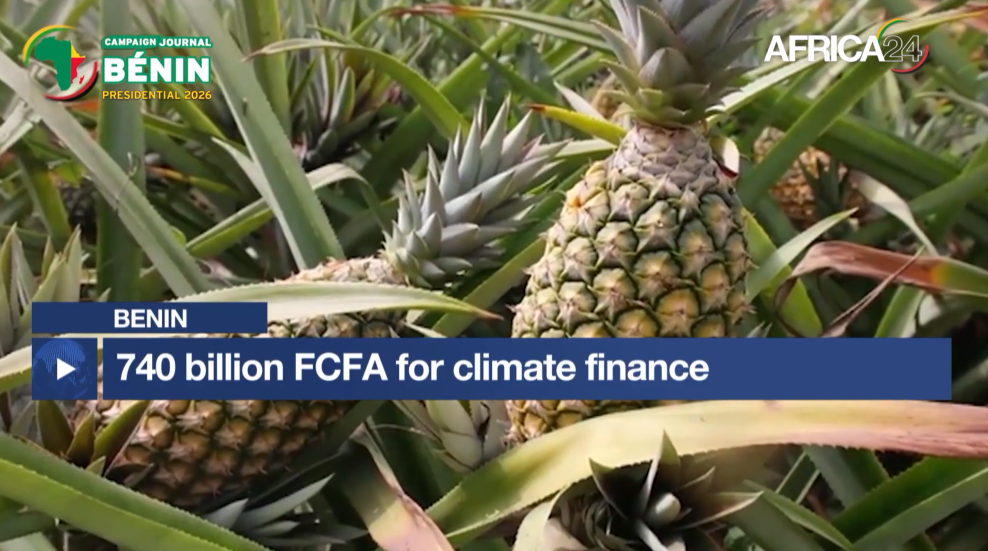
Benin is intensifying its fight against climate change in a context marked by recurring floods and intense pressure on ecosystems. The country is now basing its actions on a dynamic of resilience and ecological transition. This strategy aims to reconcile economic development, environmental protection, and adaptation to the effects of global warming. This commitment is supported by a significant public investment program.
Benin is strengthening its climate change policy by reconciling economic growth with ecological transition. In a context of increased vulnerabilities linked to flooding, coastal erosion, and the effects of global warming, the country is now focusing its strategy on environmental resilience. The objective is to protect populations and ecosystems while supporting sustainable and inclusive development.
Money is the lifeblood of war, and rightly so, the lifeblood of the fight against the effects of climate change. It is already a major step forward that the people of Benin have understood this. It is therefore essential to combat coastal erosion, which is causing significant damage in neighboring Nigeria, through development projects along the country’s coastline, but also to improve the drainage and treatment of wastewater, a source of pollution.
KERWIN MAYIZO, Political Analyst
To achieve these objectives, the 2026 budget law allocates approximately 740 billion CFA francs (nearly US$1.33 billion). This investment covers several key sectors, including water, agriculture, coastal protection, and energy. It aims to finance programs for the restoration of forest ecosystems, the preservation of biodiversity, and the fight against the effects of climate change.
The priority sectors are those linked to the green economy and environmental businesses. Specifically, the first priority must be a policy of soil protection through urban reforestation, an approach that is often effective against flooding and erosion. Secondly, it is essential to strengthen education and public awareness, particularly through the media and the education system. Finally, whatever action is taken, it is crucial to integrate sustainability into all of the country’s development projects.
KERWIN MAYIZO, Political Analyst
Beyond funding, the government strategy envisions the transformation of major cities like Cotonou, Porto-Novo, and Parakou through more resilient urban planning. It also incorporates waste management, the enhancement of natural heritage, and the energy transition. Ultimately, this policy aims to reduce climate risks and sustainably strengthen the resilience of territories to environmental shocks.